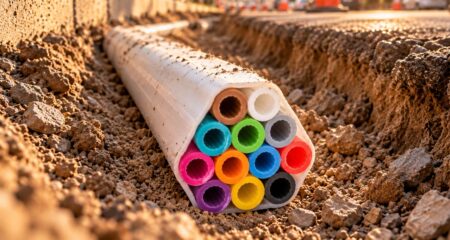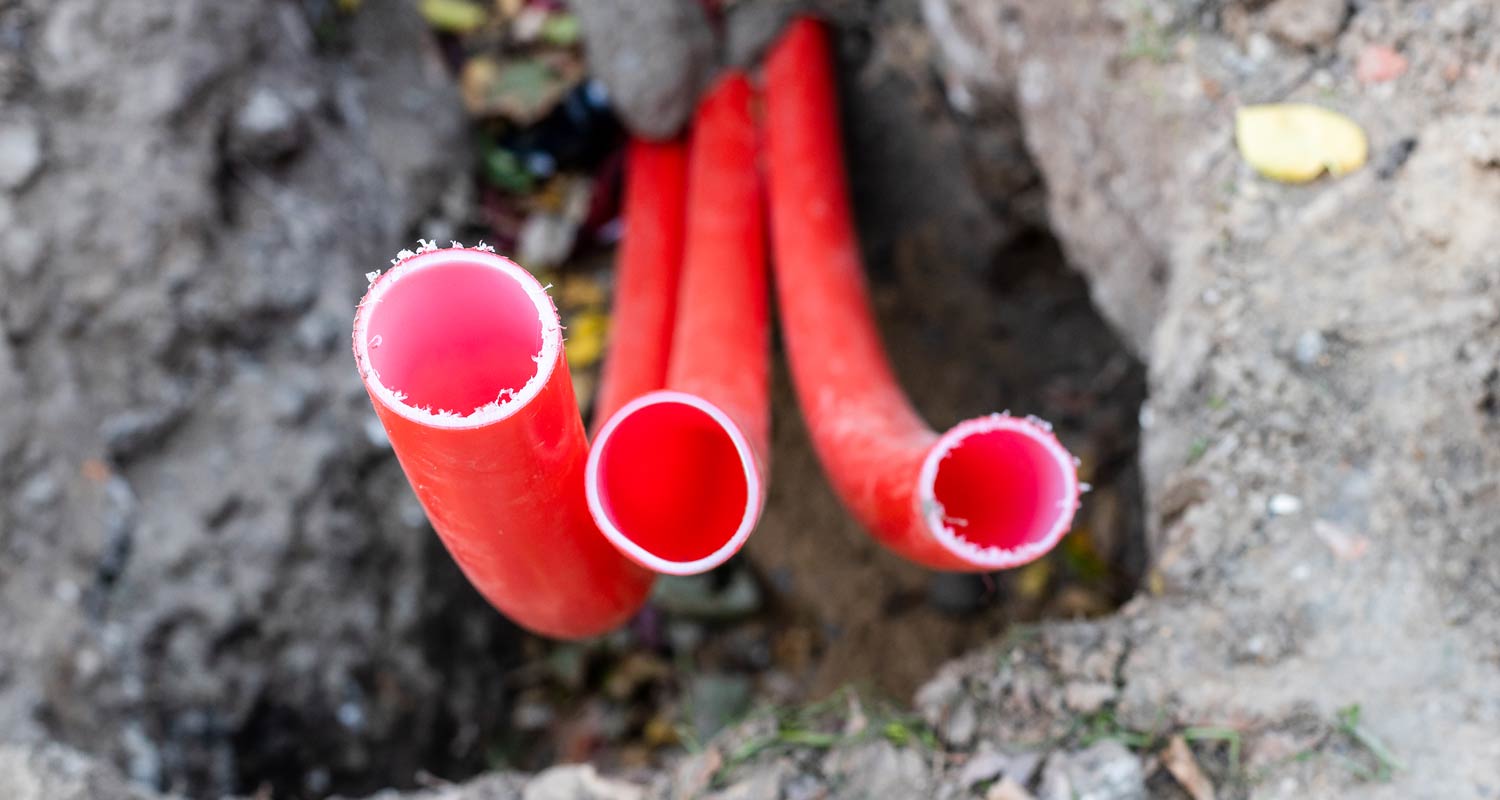
Openserve, Huawei and the KwaZulu-Natal government are installing ducts for fibre in 405 government-subsidised houses under construction in Empangeni, in what they call a proof of concept for building homes fibre-ready from the start. No fibre services are being switched on yet.
The project, launched on Friday at the Phase 1A Empangeni mega housing development in the uMhlathuze municipality, uses a “pipe and box” method to lay the physical infrastructure for fibre while the houses, roads, water and electricity are being built. The development falls under the integrated residential development programme, the state’s mixed-income housing scheme.
“While this proof of concept does not itself provide fibre services, it establishes the physical infrastructure that will make future connectivity possible,” said KwaZulu-Natal premier Thamsanqa Ntuli in a statement.
Huawei is providing technical advice, programme support and knowledge transfer, while Openserve, Telkom’s wholesale infrastructure arm, is contributing network planning and infrastructure. “We build it properly, we measure it openly and we will share what we learned with our partners in government, so that the country can decide on facts rather than assumptions,” said Pearl Schrimpton, executive for enterprise and public sector at Openserve.
The partners did not say what pre-provisioning costs per house compared with installing fibre later, when the homes will be connected, which operator will provide services or what residents will pay.
Huawei South Africa deputy CEO Charles Cheng wants the approach to become “a standard policy at a national level, integrated into municipality building codes and national housing strategy across South Africa”.
The call comes as communications minister Solly Malatsi pushes Icasa to speed up network deployment, in a policy direction that acknowledges that municipalities’ differing processes and fees slow down roll-outs. — © 2026 NewsCentral Media