

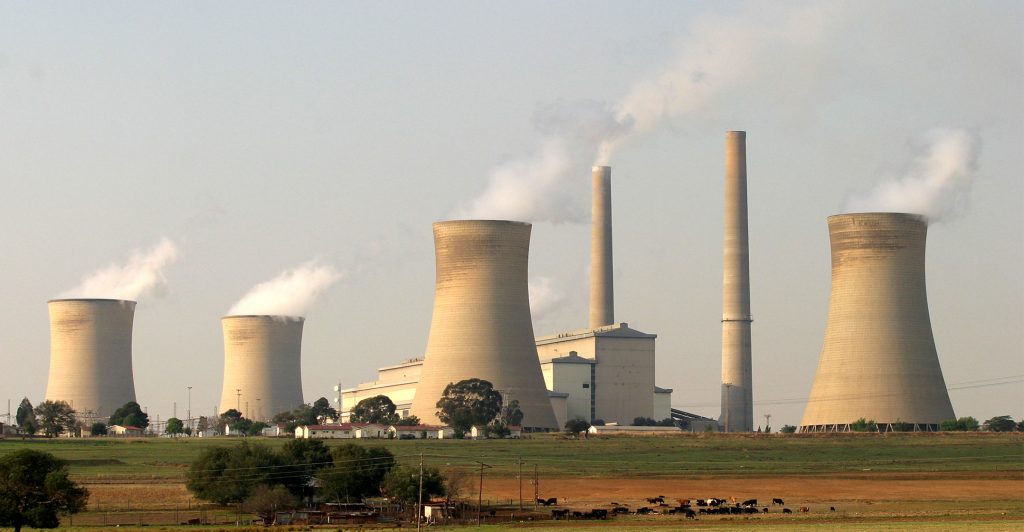
Eskom will resume cutting 2GW from the South African grid at 9am on Friday until 6am on Monday due to a shortage of generation capacity and depleted emergency resources.
Eskom will resume cutting 2GW from the South African grid at 9am on Friday until 6am on Monday due to a shortage of generation capacity and depleted emergency resources.

Promoted | Huawei has partnered with Namola to ensure that more South Africans have access to this life-saving service. Namola is available on Huawei’s AppGallery for current Huawei users, and on Huawei’s HMS new device ecosystem.

Promoted | We used to only be able to fax from an analogue phone line. Now not only can you fax from your computer; now you can fax over IP. But there are some pitfalls to watch out for.

In a pre-closing update ahead of the publication of the group’s interim financial results for six months to end-January 2020, EOH signalled that it’s slowly turning the corner, operationally at least.
MTN has pledged to invest $1.6-billion (R23.4-billion) to expand its operations in Nigeria after settling the latest major dispute with authorities in its most profitable market.

Eskom is gauging interest from companies to develop and build small modular reactors using so-called pebble-bed technology and supplying the fuel they would need.

Two defunct satellites, racing across the sky at around 53 000km/h, narrowly missed smashing into each other on Thursday. They may have come within 47m of each other at their closest approach.

While 2019 started off with expectations of Huawei challenging Samsung for the title of world’s most prolific smartphone vendor, it’s the more familiar foe of Apple that’s now threatening the South Korean titan’s throne.

Promoted | In this episode of the podcast, TechCentral is joined by Stanton Pillay, the recently appointed CEO of iTMaster, a national information management consultancy and technology solutions company.

Cosatu, a key ruling party ally, is pushing senior members of government to consider its proposals to rescue the state’s indebted power utility before next month’s budget.