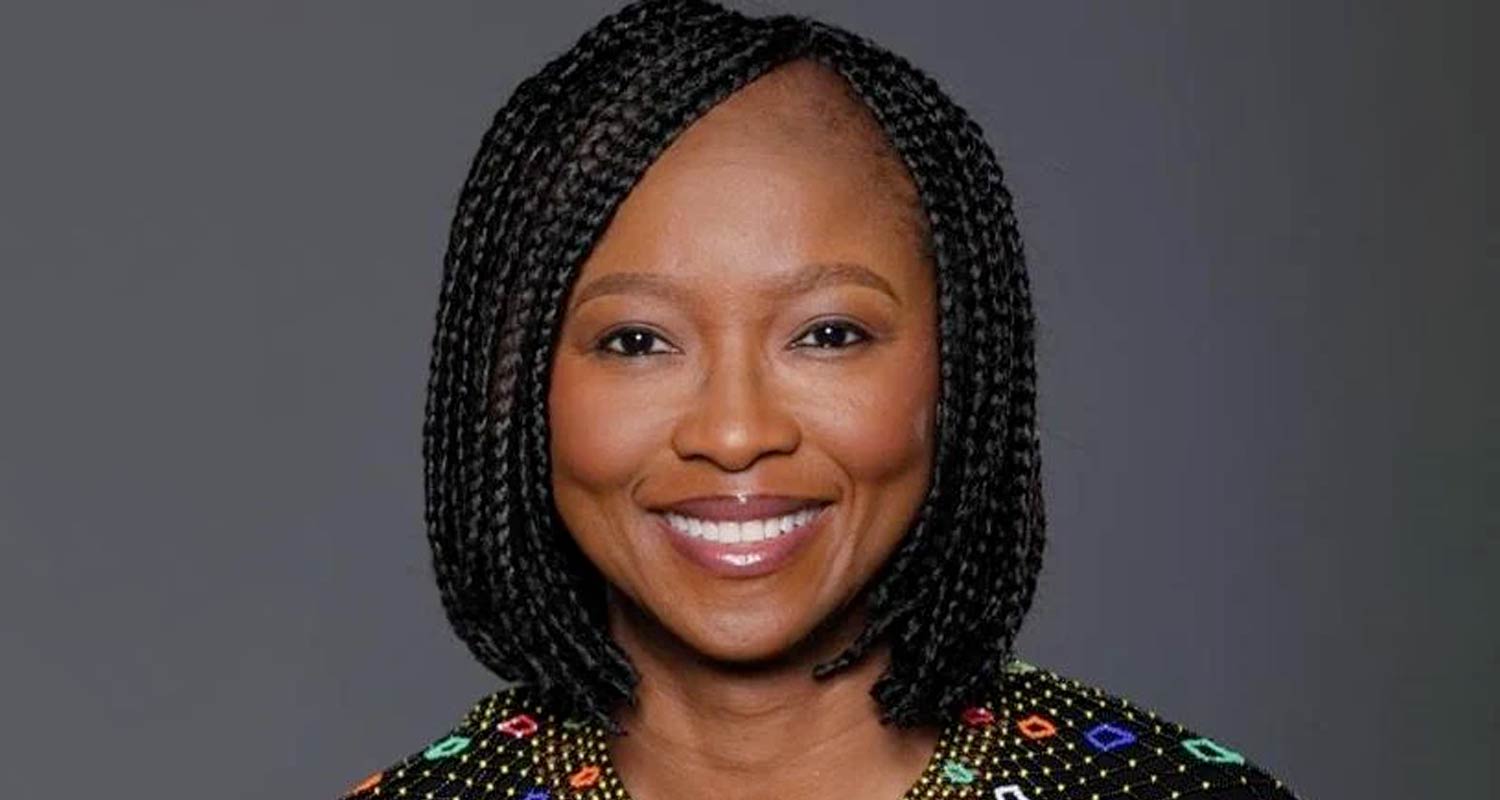
The SABC’s business model is no longer fit for purpose, according to its CEO, Nomsa Chabeli.
She said in public broadcaster’s annual report, published on Friday, that it was assumed that captive radio and television audiences would generate substantial commercial revenue that would then fund the SABC’s public service mandate.
“The reality is that the world has shifted fundamentally. The market has opened to both global and local competitors, none of which has the same public interest obligations (and associated costs) as the SABC,” Chabeli said.
“Most also have access to capital for their future because of shareholder commitments and investments. This means that the SABC must run hard to attract ever-decreasing advertising and sponsorship revenue in a hypercompetitive market, often without the means to acquire the compelling content for the right audiences that advertisers seek out.”
The SABC’s revenue base has been eroded for years, with advertising spend moving from broadcast to digital and social media, while fewer and fewer people paid their TV licences. Although there was a 10.4% increase in collections last year, South Africans only collectively coughed up R758-million of R4.9-billion billed of which only R758-million, up from R686.5-million in the 2024 financial year. That bucked the trend from 2022 to 2024, when there was a decrease in TV licence collections.
“We have continued to focus time and management attention on optimising licence fee collections, with some positive outcomes,” Chabeli said. “These efforts have now reached a point of diminishing returns. The challenge is that the SABC cannot fully control or innovate its business model independently. Investing in high-impact content requires capital to stay ahead of audience demand.”
New model needed
She said that for the broadcaster to shift to other sources of revenue requires a new, innovated funding model and changes to legislation and regulations.
Last month, the department of communications & digital technologies appointed BMI-TechKnowledge Group (BMIT) to develop a new funding model for the SABC.
BMIT must apply its expertise in economic modelling and market analysis to establish how the broadcaster carries out its public mandate in an era of collapsing TV licence compliance and shrinking advertising revenues. Proposals for a household levy or levies on streaming service providers like Netflix have been met with fierce resistance.
Read: BMIT hired to develop new funding model for the SABC
The BMIT proposals will form part of an updated SABC Bill, which will be reintroduced to parliament after communications minister Solly Malatsi last year withdrew the previous version of the bill – provoking a backlash from the ANC. Malatsi, a member of the DA, had objected to various aspects of the earlier bill, including the time it would have taken to develop a new funding model for the SABC and the powers it would have bestowed on him as minister.
The TV licence fee revenue increase in the 2025 financial year was supported by improved performance from debt collection agencies, the onboarding of additional agencies and improved renewals.
The SABC said that because the economy remains sluggish, with little or no real economic growth, this has put households and businesses under considerable pressure. This strain on household spending impacts both the marketplace and the budgets of advertisers, as well as the likelihood of households paying licence fees.
Read: SABC wants VAT exemption on TV licences
Also, more affluent viewers continue to migrate to online streaming and there is a general perception that licence fees do not need to be paid as viewers are “not watching SABC”. This has contributed to high levels of licence fee evasion and to a widespread consensus that the current licence fee regime lacks validity and legitimacy in the eyes of the public, said the SABC. – © 2025 NewsCentral Media
Get breaking news from TechCentral on WhatsApp. Sign up here.