A severe geomagnetic storm has arrived at Earth, with conditions reaching G4 (severe) levels, South Africa’s National Space Agency (Sansa) has confirmed, following its warning earlier this week of heightened space-weather risk.
In an update, Sansa’s Space Weather Centre said the geomagnetic storm triggered by a powerful solar eruption had intensified as expected and was likely to continue into Tuesday, with storm levels fluctuating between G1 (minor) and G3 (strong) and a continued risk of further G4 (severe) intervals.
Sansa on Monday warned that geomagnetic storm activity could intensify within 24 hours after a powerful solar flare and Earth-directed coronal mass ejection were observed moving towards the planet.
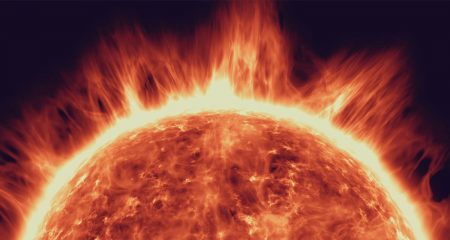
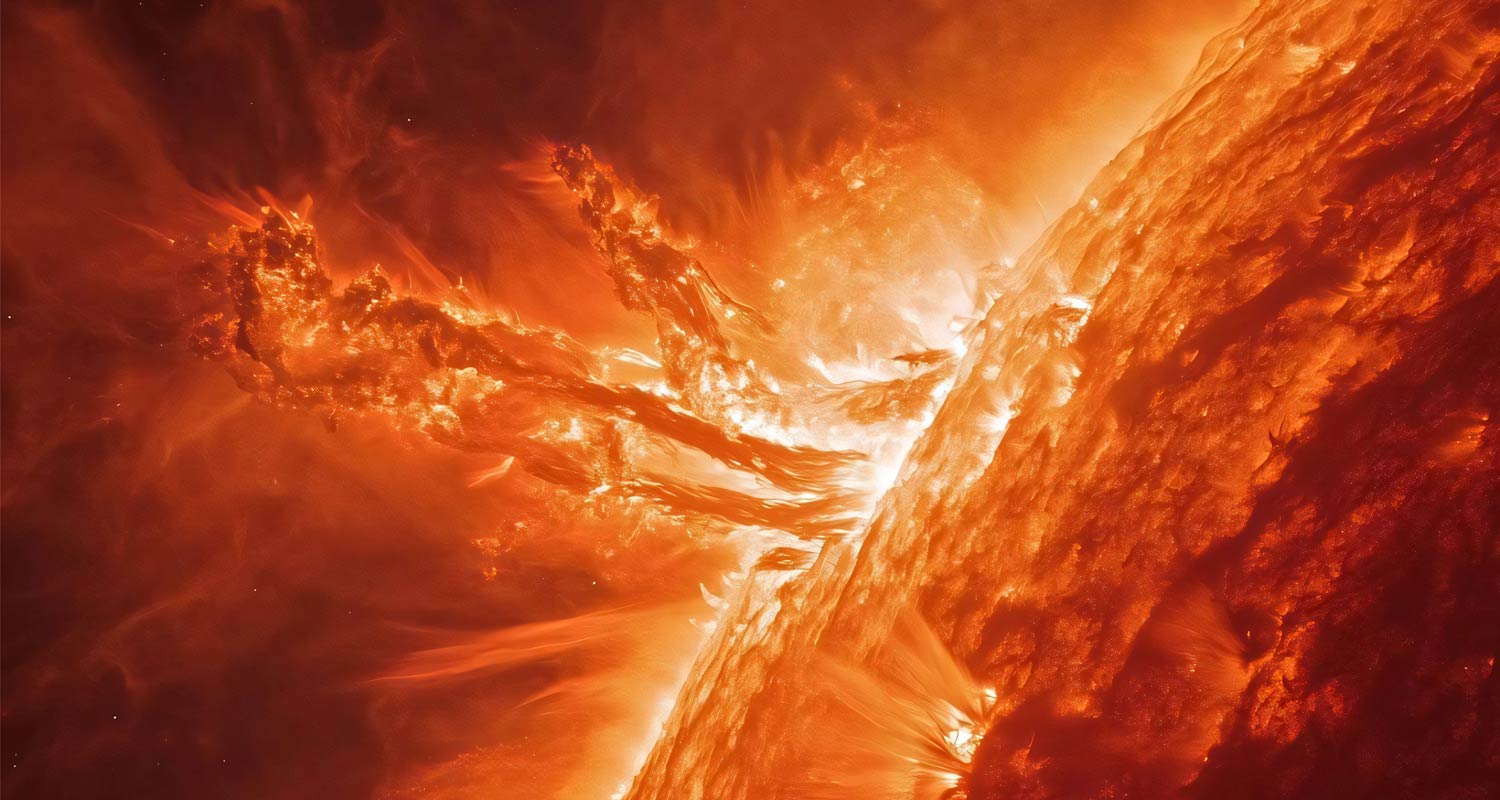
According to Sansa, the storm was triggered by a long-duration X1.9-class solar flare that erupted from the sun on Sunday at around 8pm SAST. X-class flares are the most powerful category of solar flares and are capable of releasing vast amounts of energy into space.
While solar flares themselves can cause immediate disruptions to high-frequency radiocommunication on the sunlit side of Earth, Sansa said Africa was largely unaffected by radio blackouts from the initial flare because it occurred during nighttime over the continent.
The greater concern was the coronal mass ejection (CME) associated with the flare – a massive cloud of charged plasma hurled from the sun. Sansa confirmed that the CME has now impacted Earth’s magnetosphere, driving geomagnetic storm conditions into the G4/severe range.
G-scale
Geomagnetic storms are classified using the internationally recognised G-scale, which ranges from G1 (minor) to G5 (extreme). A G4 storm is considered severe and has the potential to disrupt a range of technological systems.
Sansa said geomagnetic activity is expected to remain elevated over the next 24 hours, with the following forecast ranges:
- Expected: G1 (minor) to G2 (moderate) storm conditions
- Likely: G3 (strong) storm conditions
- Possible: Further G4 (severe) storm intervals
These storm levels correspond to a “planetary K-index” of 5 to 8, with higher values indicating greater disturbance of Earth’s magnetic field. Sansa also tracks a local K-index from its monitoring station in Hermanus in the Western Cape.
Unlike conventional weather events, geomagnetic storms are unlikely to be noticed directly by most people. Their effects are felt primarily through technology-dependent systems, including navigation, communication and electricity networks.
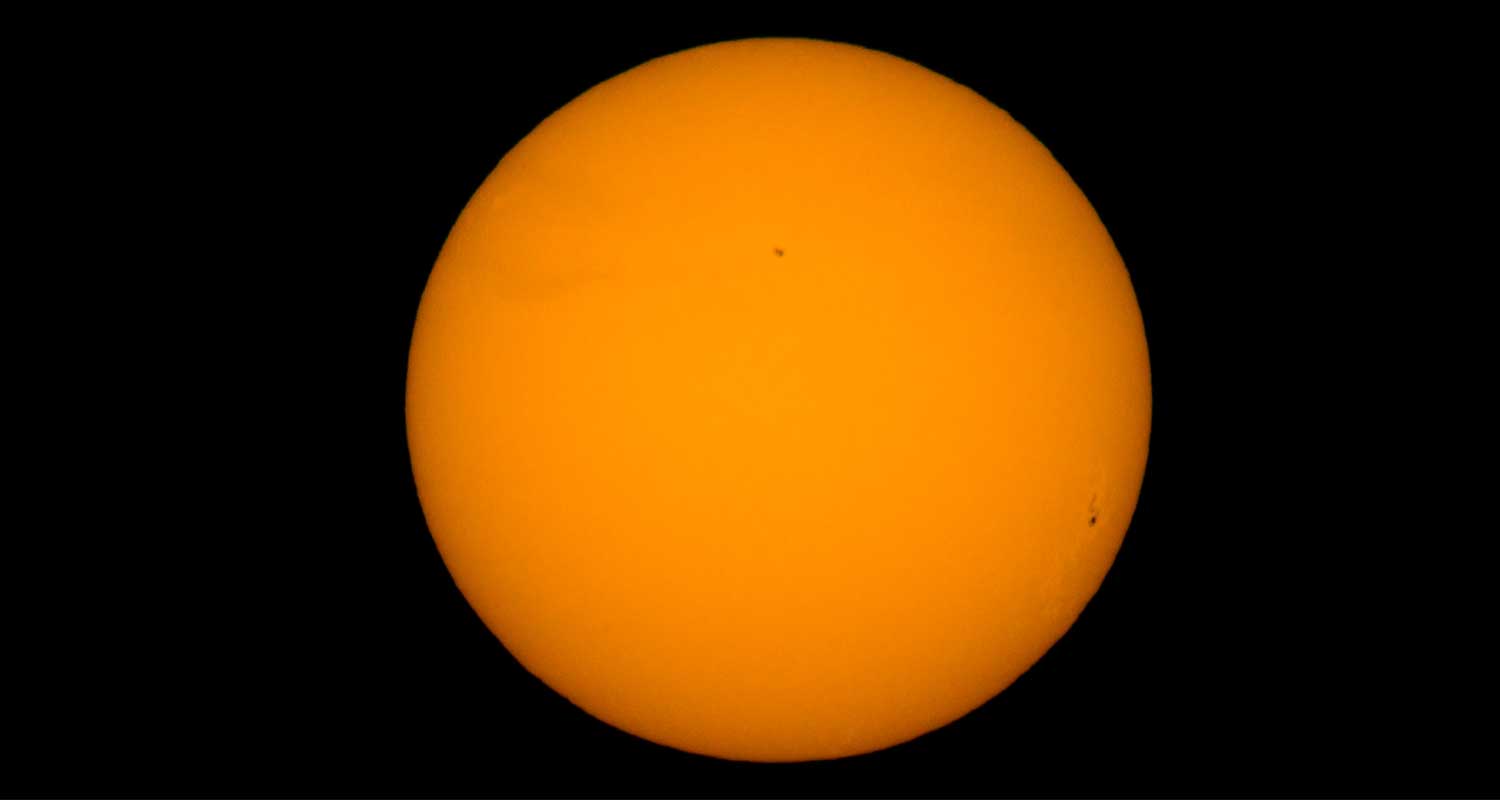
Sansa warned that navigation systems, radiocommunications and electricity networks are among the systems most at risk during periods of severe geomagnetic activity. Industries that rely heavily on precise positioning and timing signals – such as aviation and drone operations – should pay close attention to geomagnetic conditions.
Geomagnetic storms can induce electrical currents in long conductors such as power lines and pipelines, potentially stressing infrastructure. They can also degrade satellite-based navigation signals and disrupt high-frequency radio communications, particularly at high latitudes. – © 2026 NewsCentral Media
Get breaking news from TechCentral on WhatsApp. Sign up here.