

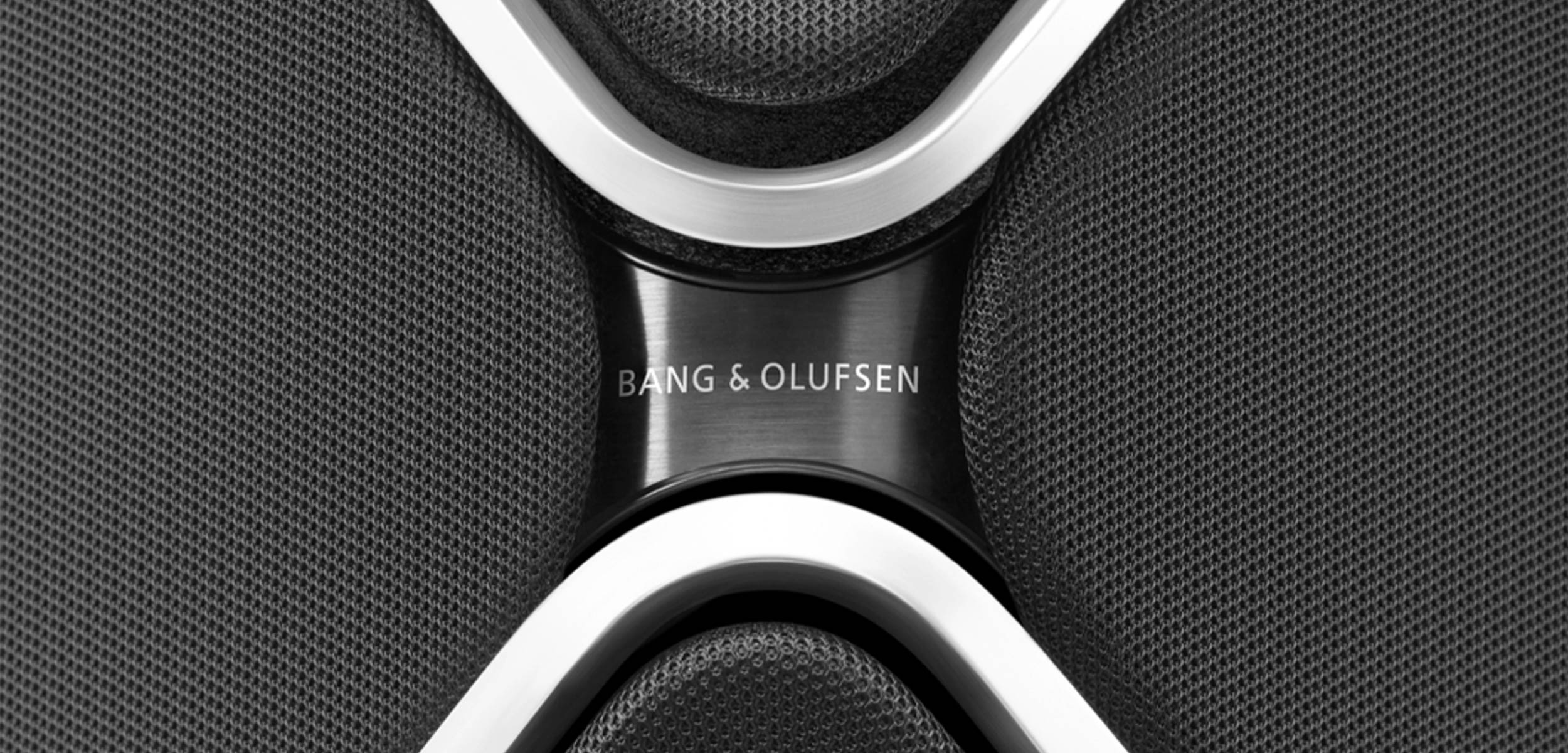
Yes, that price in the headline is right – just in case you were doing a double take.
Bang & Olufsen have been the poster child for European/Scandinavian design excellence for decades. The Danish brand, which is celebrating its 100th anniversary this year, is known as a high-end audio manufacturer that emphasises a blend of form and function that sees audio equipment imbued with a deep sense of art in its construction.
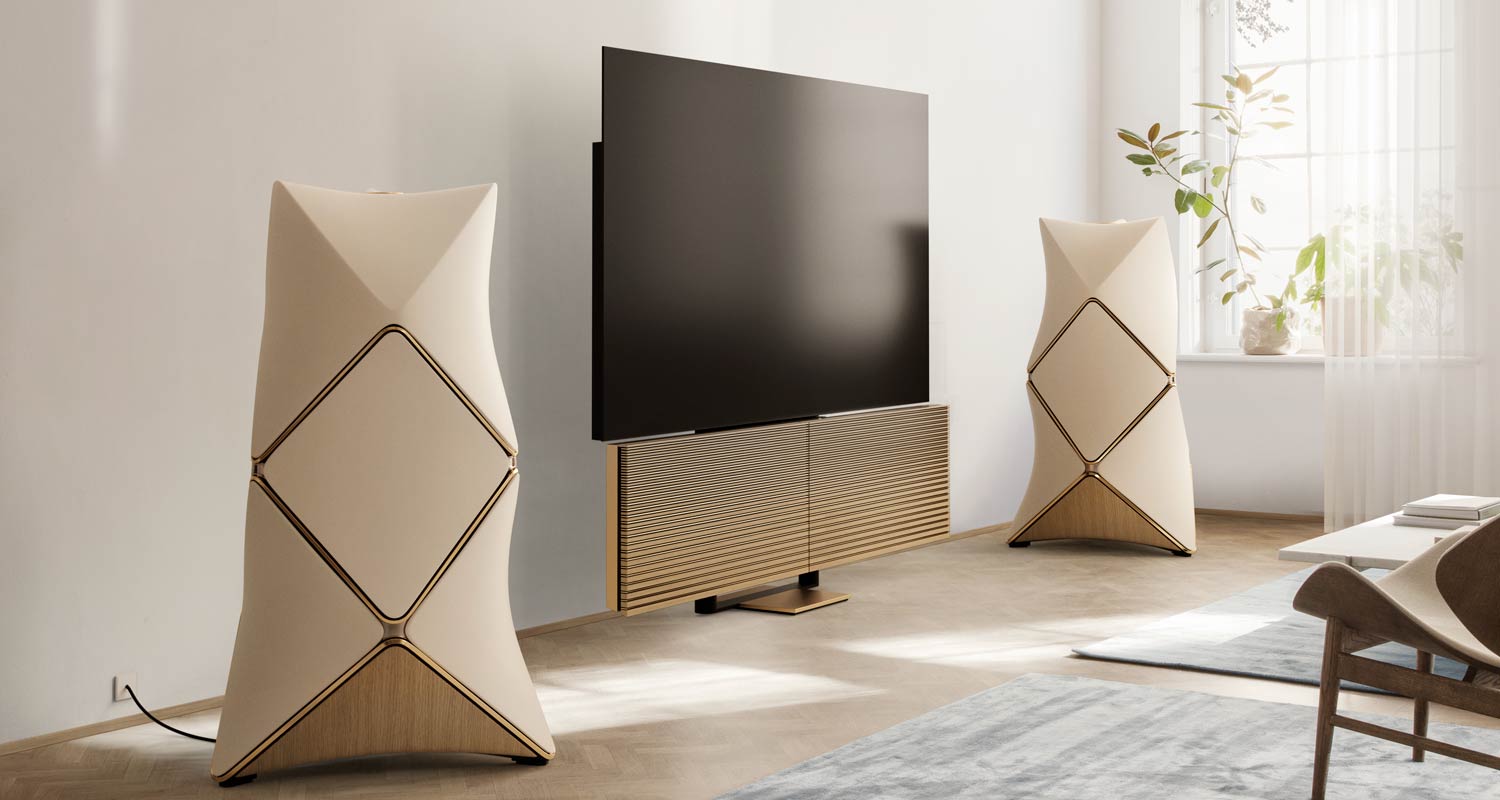
It cannot be summed up better than in these active speakers, the Bang & Olufsen Beolab 90s (supplied by BNC Technology), built to celebrate the 90th anniversary of B&O’s existence. There are no plans as yet for Beolab 100s and I think you’ll understand why shortly.
Active speakers incorporate amplification internally that drives the individual speaker drive units. There are 18 of these in each unit, and as you might imagine, controlling 18 individual drivers requires some rather sophisticated circuitry if they are to sound like anything other than a mashup of confusion.
Enter the world of DSP. Digital signal processing is the brain that assimilates data from a source signal – in this case, the Beolab 90s are able to stream digital sources directly – and then breaks down what it wants each driver to do in the pursuit of delivering the right sound wave at the right time in the right place to your ears in order to build the illusion of real-world music.
As you can imagine, the process is complicated. But as with all digital technology, the advances in the last decade have been significant. It is tribute to the Beolabs 90s as to how well they have been engineered at a DSP level that they perform as well as they do.
In spades
It’s an acknowledgment of the fact that curated high-end sound will always remain curated and high-end sound. At the price point, B&O spared zero expense in building these speakers – and this is reflected in the precision with which their DSP presents itself. It is obvious to anyone who enjoys listening to music – as opposed to listening to equipment – that B&O has remained focused strongly on the former and in the enjoyment that such a sizeable investment ought to deliver.
Happily, it does so in spades.
Read: Why smart glasses keep failing – it’s not the tech
The best way I can describe it is like this: the sound generated by these active speakers has been done so in a fashion coherent with a distinct B&O sonic signature focused mainly on musical delivery. This, despite the absolute evidence to the contrary, is not a speaker that is entirely focused on winning a top-trumps game in the speaker world. Rather, it is a speaker crafted around delivering music in an enveloping environment under any conditions and to do so while still looking like a million-dollar design statement.
By way of example, power is not stated but estimated at around a peak of 8 200W per side. You won’t notice and you won’t care because this is a musical setup contemptuous of statistics. It doesn’t focus on vulgar statistics. Rather, it simply “is”.
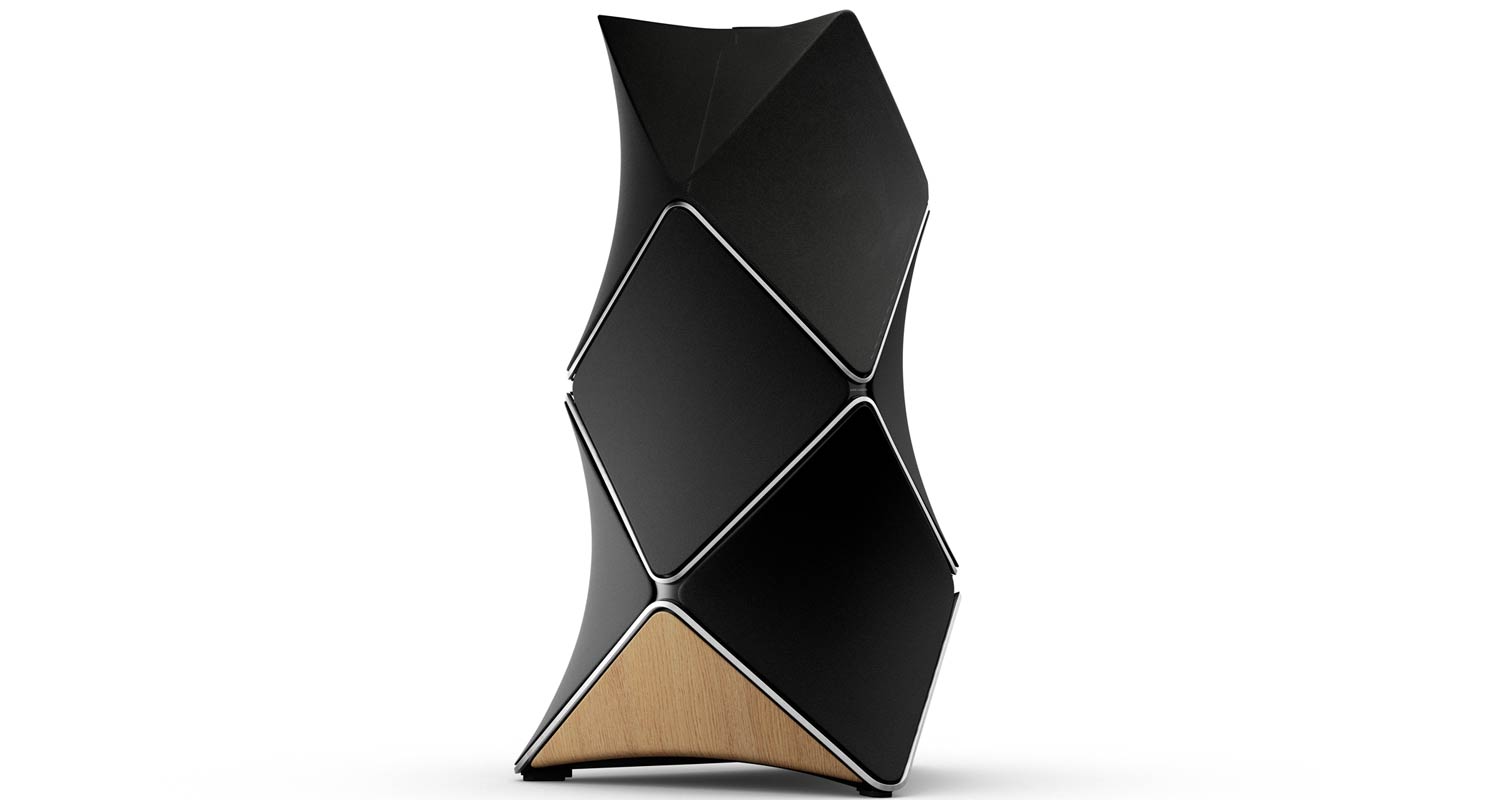
As stated, there is a lot happening behind the scenes that you are not aware of and unlikely to care about. As evidenced by the shape of the speakers, the drivers are not all aligned in one plane, but rather orientated in several, and from what I could see, none fires in entirely the same direction. This means that the aforementioned DSP taking place inside the speaker complex (it cannot be described meaningfully as a cabinet, even if it is made from cast aluminium) has to be incredibly sophisticated in merely creating a believable sound field. I wondered if it could even be done before jumping into an hour-and-a-half listening session.
This is nowhere near enough time to get more than a first impression, but for some reason the opportunity to locate these speakers in my own listening environment for, say, a few months, wasn’t on offer. Annoyingly.
Read: Apple M5 chip makes its debut in new MacBook Pro, iPad Pro models
Worse, the environment on offer at a dealer was at best aggressive, being a showcase open room where the speakers were displayed rather than accurately set up. The upside to all of this is that it was a true test of the prowess of the speakers as advertised.
If I’m honest, when listening to a R4.4-million system, I do expect perfection. I had to also come to a conclusion listening to the speakers as they were where they were. My standard basis of reference (my room, my equipment) was lacking.
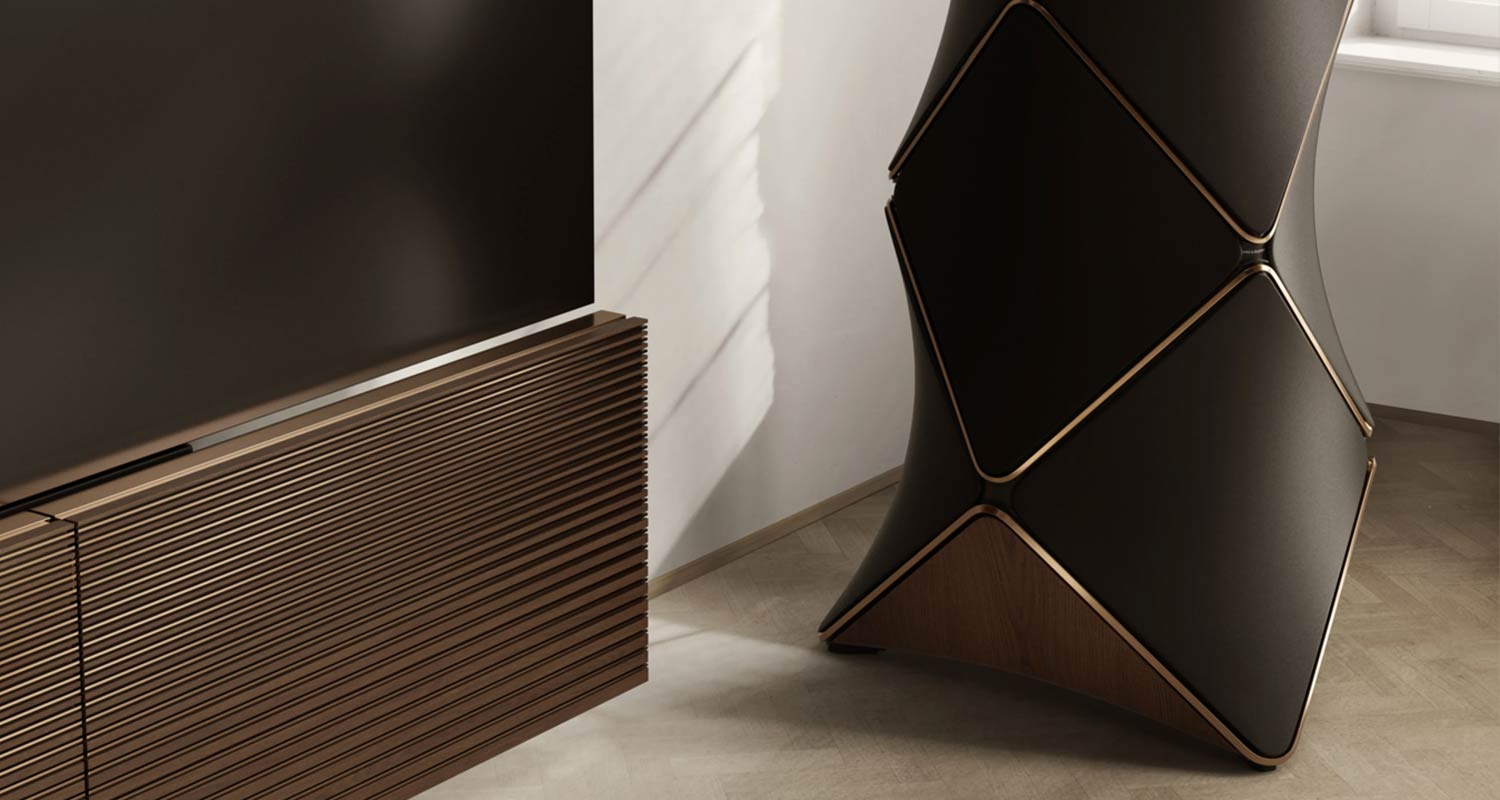 I am also expecting to start punching holes into reference audiophilia of where the 90s might be vulnerable – in any areas of compressed sound stage, blurred layering, overpowering bass or whatever else might offer me a sliver of a crack of a way in which I could offer up my modicum of criticism for the price tag. I’ve done this review thing for a long time and listened to many systems that are ludicrously expensive and many systems that are ludicrously good at a specific audio task.
It is seldom, if ever, that I have come across something quite like the Beolab 90s. It is hard to come away undefeated, and if I were to poke holes into them technically, it’d be futility personified. This is not that speaker with which to pontificate from the altar of self-appointed fount of all audio knowledge and wisdom.
What it is, however, is a place to assess some of the most deeply impressive and, indeed, forgiving speakers on the market today. These are some of the most forgiving speakers I have heard. You can throw rubbish at them and they somehow manage to extract the maximum goodness from it and deliver that to you on a silver platter. They remind me of the latest jet fighters that can’t fly without computer-aided controls, or in the case of the 90s, the stability sources from the DSP.
The end result is all that matters.
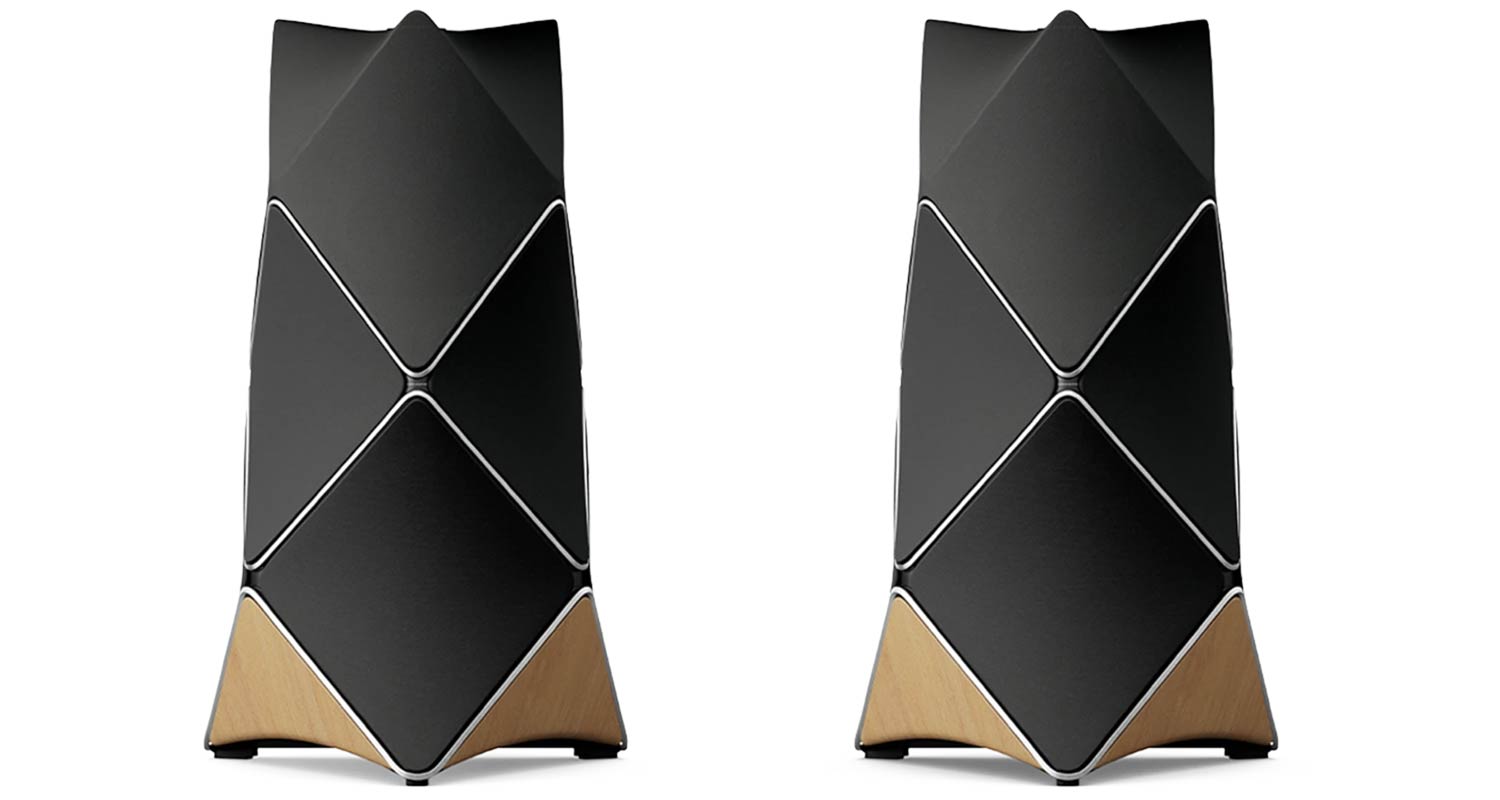
It is beyond excellent. It goes to show that while the tech may be 10 years old and hence probably changeable (note I didn’t say upgradeable) when it comes to music delivery, this doesn’t actually matter. The BeoLabs were conceived and built to deliver what B&O believed to be the ultimate expression of design meeting music and to do so with unqualified ambition to the best of their ability in melding the design and performance.
I am not sure anyone could do it better.
The B&O app that you can use to tune your speakers is perhaps the best and worst of the experience. It would make any self-respecting audiophile take a chainsaw to their device, or themselves, at the sheer horror of the loss of absolute purity of signal preservation sacrificed on the altar of DSP-constructed audio augmented reality.
But when you have so many drivers and amps in a room generating a sound field from a stereo recording then purity of signal preservation is no longer possible and the interpretation of the source and its presentation to you becomes all that matters.
In this the app will have appeal to tune the speakers to individual preferences. What B&O are doing here is clever – they are clearly able to present superb-quality, reference-level music, but they equally recognise that their customers may want to adjust this reality to their own. And the 90s allow for this. The customer is always correct!
So, that’s enough of the fence sitting – I can’t put it off any longer. What did I think of the BeoLab 90s?
In a word: phenomenal! It is impossible to ignore the manner in which they create music and how they are able to put it on show for you. There is a presence to music with control over detail that paints the best room-filling reverb accuracy I have heard in ages. Silences are allowed to blossom and a presence of real depth and tangibility is created in the way that only large speakers are capable of doing through the virtues of the volumes of air and multiple soundwave generation are capable of doing.
Deeply impressive
Yet it remains controlled and with the massive reserves of power on hand you can quite easily do ear damage without feeling it. As I often say, really great music reproduction is often so clean that you don’t realise how loud it is until a trumpet ruptures your ears.
This is the case with the B&Os.
As mentioned, if you don’t enjoy the sound as it is setup, then B&O has others. You can customise the sound to a remarkable degree, and B&O bravely designates the control to you. Which, sadly, I didn’t have the time to experiment with. For reference, I had them set to as neutral as I think is possible on the app with as little manipulation as possible and I didn’t change it.
They’re deeply impressive speakers but I do think they need far more careful setup than meets the eye. As much as you can unbox them, turn them on and press a button to autotune them to a room, you’d get 90% of the way to their best performance. The other 10%, should you want it, will come to finetuning and figuring out the best balance between room and speaker performance.
 Does this then relegate them to “just toys” for the well-heeled to show off to their mates based purely on their price tag?
With that price tag, of course, that’s a risk.
But it would be sad to dismiss the incredible musicality that the 90s are capable of based purely on the vulgarity of the price tag. That they exist at all, and that they deliver music first and foremost as well as they do, is something that the high-end world should celebrate and applaud.
That they look the way that they do and are capable of making a statement in a room that draws attention, and yet also allows them to become a part of the look of a room, is in itself a feat of performance unmatched by any other speaker I have seen.
Read: Sonos Ace review: a winner in a crowded category
It is this duality of the 90s that make them such a worthy testament to the best that B&O produces. They are bloody amazing.
- The author, William Kelly, is an audiophile and co-host of TechCentral’s Watts & Wheels
Get breaking news from TechCentral on WhatsApp. Sign up here.
