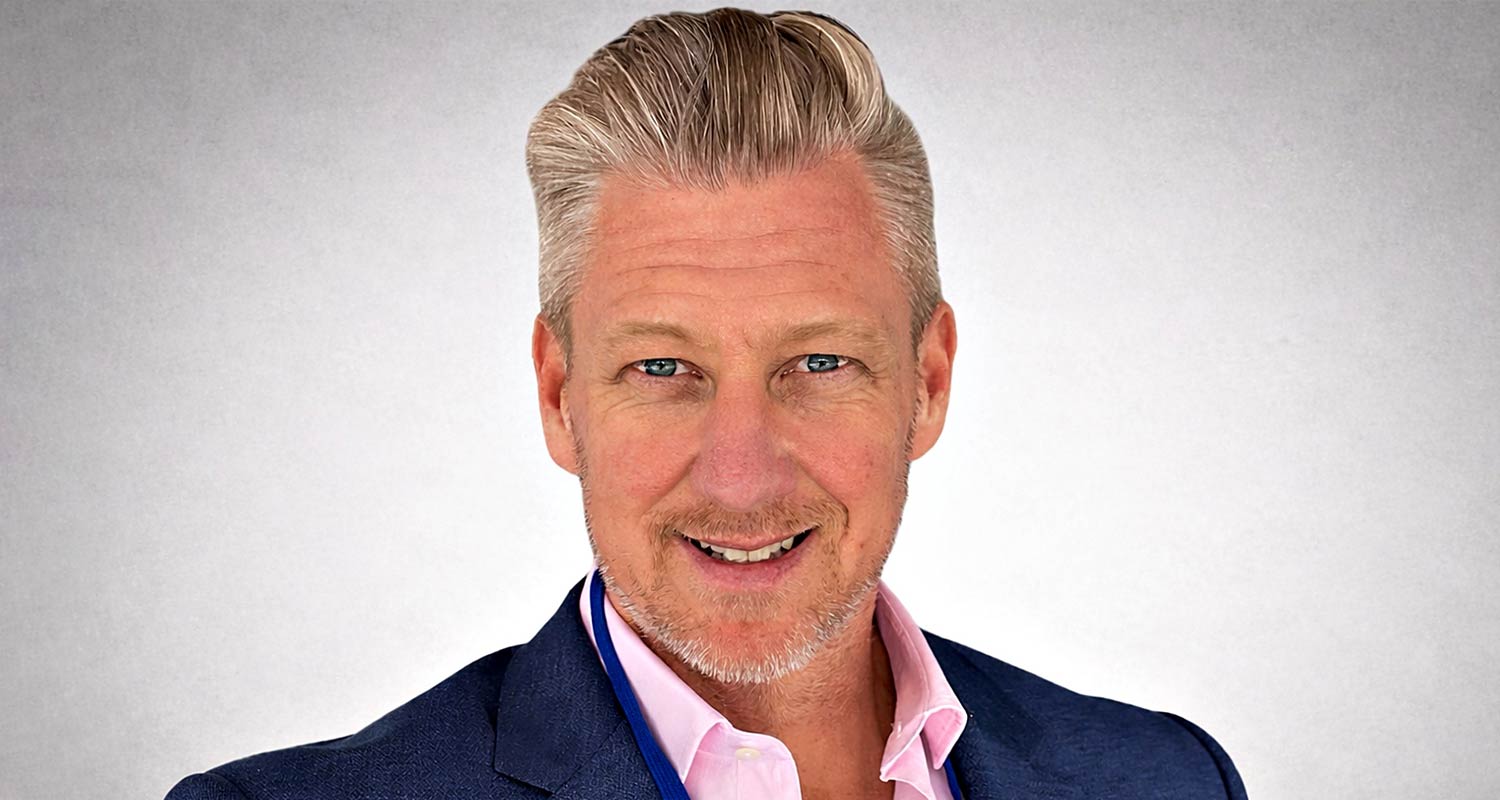
iOCO will not pay a dividend for as long as Rhys Summerton is at the helm of the company, the IT services group’s CEO said on Wednesday.
Instead, he plans to spend a sizeable chunk of the R650-million he expects iOCO to bring in over the next year on acquisitions and further share buybacks that could cut its share count by up to a fifth.
“We won’t pay dividends as long as I’m involved in iOCO, but we will do buybacks,” Summerton told TechCentral in an interview, a day after iOCO reported a 39% jump in annual profit and a 44% fall in operating cash flow.
Acquisitions come first. iOCO bought enterprise networking business MySky in its first acquisition in eight years and has agreed to buy ERP specialist Astraia Technology, a deal the annual financial statements say should close within a month. A third is coming, Summerton said. The targets are founder-led businesses with concentrated client bases that would gain access to iOCO’s roughly 3 000 customers.
But iOCO — formerly EOH Holdings — has walked away from “some fairly large deals”, he said. “We would rather own more of iOCO, which we think is a higher-quality business than some of the assets or companies that are being offered to us.”
When deals aren’t available at the right price, the cash goes to buybacks. The share count is about 620 million, and “we want to reduce that number down to about 500 million shares”, Summerton said.
A parable
That is a big commitment. At Wednesday morning’s share price of R3.83, down 0.5% on the day, buying back 120 million shares would cost about R460-million, most of the cash Summerton expects over the next year. iOCO spent R69-million in FY2026 buying back 16.8 million shares, an average of about R4.11 each, above where the shares now trade.
Asked why he is so averse to dividends, Summerton offered a parable.
“It’s like a pastor, right? He’s got 100 people in his congregation, and 80 of them support him, and 20 of them throw naartjies at him every Sunday. If he can get rid of those 20, then he’s going to have 80 loyal congregants, and that’s what share buybacks are like,” he said. Shareholders who want out “are going to sell it to you at a really attractive price because they don’t like you”.
Dividends do the opposite, in his view. “Your shareholders take the dividends and then they go sell your share afterwards, and then they’re gone. This doesn’t breed any loyalty in your shareholder base.”
He also argued the numbers favour buybacks, putting iOCO’s free cash flow yield at about 25%. At R3.83, iOCO is valued at roughly R2.4-billion, so the R650-million he expects is about 27% of its market value. The R450-million of core cash flow on its own is about 19%.
The window may not stay open, Summerton said. “Eventually your 80 congregants start really loving you, and the share price goes up even more. So then they don’t want to sell.”
The R650-million is made up of R450-million of core cash flow and a R200-million inflow as working capital reverses. That is “more than one rand a share”, Summerton said, adding that iOCO had paid down “close to R1-billion of debt since 2023”. Interest-bearing debt stood at R607-million at the end of FY2026, down from R952-million two years earlier.
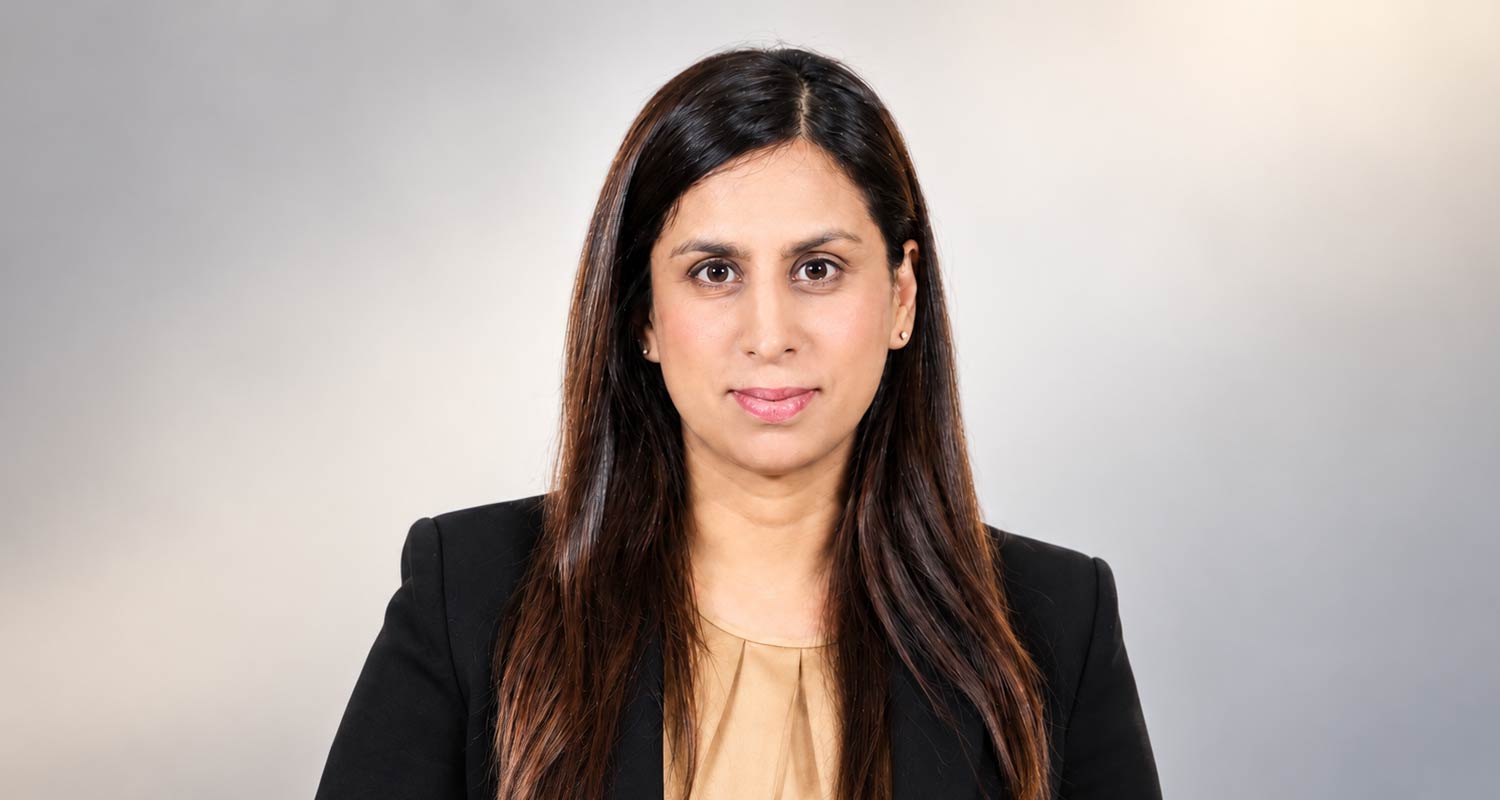
Chief financial officer Ashona Kooblall said part of the working capital problem is structural. As a services company, “80% of our costs a month are front-loaded through payroll”, while customers pay later, and its clients – corporate South Africa – are asking for longer payment terms. “There’s a fine balance around offering these payment terms, the longer payment terms, and protecting revenue.”
Most of the outflow in the statements came from iOCO paying down creditors: the cash-flow statement shows a R216-million reduction in trade and other payables in FY2026, after a R220-million reduction the year before. Receivables rose by only R30-million. In the past, the group paid suppliers “very late and lost partner status and lost credibility in the market”, she said. “We did make an executive decision to pay our creditors on time.”
Meanwhile, the annual results showed hardware sales rising by half while services revenue, the core of the business, fell 6.6%. Is iOCO becoming a reseller?
“Yes and no,” Kooblall said. “Yes, because the opportunity surfaced and we grabbed it.” She described the hardware as end-to-end infrastructure work, including compute, in which iOCO helps customers modernise their systems. Services shrank partly because iOCO scaled back “body shopping”, or placing contract staff with clients, in international markets, and partly because of lower managed services and public-sector revenue. Public-sector work fell to 9% of revenue from 12%.
New contract work
Summerton said iOCO won R2.1-billion of new contract work in FY2026, across several contracts, against a revenue base of R5.7-billion. “Hardware is a higher proportion of a contract at the early part than later on,” he said, with services following.
One area that underperformed was the international segment. Adjusted earnings before interest, tax, depreciation and amortisation (Ebitda) at iOCO International fell by a third, to R57-million, and the annual financial statements gave no reason. Kooblall gave two in the interview with TechCentral.
The stronger rand cut profit by about R7-million. And in FY2025, sales of iOCO’s own software to government organisations in the Middle East added about R24-million to profit. Because iOCO owns the software, the sales carry little cost, so most of the revenue flows through to profit. In FY2026, the war in the Middle East delayed government spending, she said.
Together, the two account for more than the R27-million drop in the division’s adjusted Ebitda. “Are we seeing an uptick in the current year now? Yes, we are,” Kooblall said, adding that iOCO still aims to grow International by double digits.
Meanwhile, Summerton again drew no salary in FY2026, and the statements show no share-based payment expense for him. Asked whether he has a long-term share incentive, he said: “No, not really.” TechCentral reported in February that he and former co-CEO Dennis Venter worked without fixed salaries, with their pay tied to iOCO’s share price.
“Obviously I’m a 10% shareholder in the company, and we have an unconventional structure at iOCO,” he said. “We only get the capital appreciation.”
Will he ever take a salary? “We will see at the right time what kind of structure we have, but at this point, I’m fine with earning less than everybody else at the company.” – © 2026 NewsCentral Media