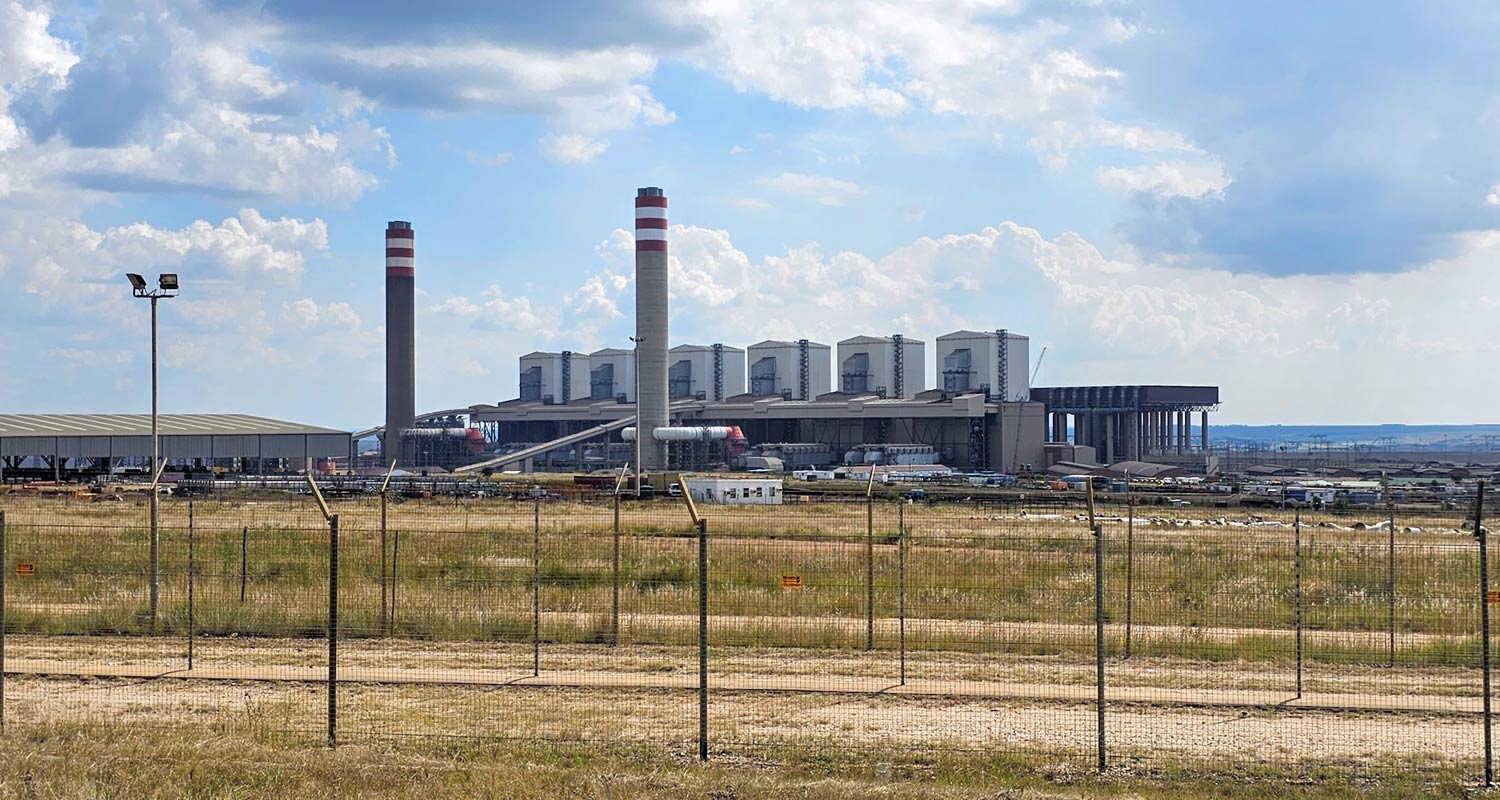
After years of massive cost overruns and delays, Eskom has finally announced that the final unit at Kusile power station has officially entered commercial operation.
The commercial launch of Kusile unit 6 closes out the utility’s long-running build programme for both Kusile and its sister plant, Medupi. Together, the pair now boast a theoretical 9.6GW of capacity under ideal conditions.
Although unit 6 has been supplying power since its synchronisation in March 2025, it had not been factored into Eskom’s official metrics until now. With this milestone, Eskom will begin including its output in the energy availability factor (EAF) calculations — a key indicator of the utility’s performance.
Eskom has framed this as both a technical win and a strategic pivot. The utility had targeted a net addition of 2.5GW by March 2025, and it said that commissioning unit 6 is a major step towards that goal. “It adds 800MW to the grid and completes our 12-unit ‘megaprojects’ fleet,” it said.
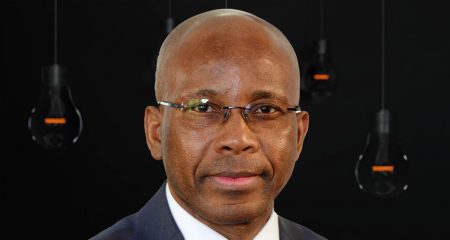
Eskom CEO Dan Marokane said unit 6 has “met performance benchmarks, contributed to grid reliability and helped meet electricity demand 97% of the time”.
Both Kusile and Medupi are designed for an expected service life of about 50 years. Marokane said the utility is scaling up efforts to pair these baseload plants with renewable energy sources to “repower the grid and reduce overall emissions”.
On the environmental front, Kusile is already notable: it is the first coal power station in South Africa (and on the African continent) equipped with wet-flue gas desulphurisation technology, helping it meet air quality regulations by reducing sulphur dioxide emissions.
Cost overruns
However, Kusile’s road to completion has been anything but smooth. Originally budgeted at around R80-billion when announced in 2007, the project’s cost has ballooned to well over R160-billion, making it one of the most expensive coal-fired power plants ever built globally.
Delays have been equally bruising. Kusile was supposed to be fully online by the mid-2010s, yet construction stretched more than a decade beyond that. Technical flaws, contractor disputes, poor project management and corruption allegations all compounded the timeline slippage. Several units had to undergo design changes or retrofits even before completion, further pushing out delivery dates and inflating costs.
Read: Eskom adds 800MW to grid with Kusile unit 5 switch-on
These overruns contributed directly to Eskom’s financial crisis. With ballooning debt and insufficient returns from new generation capacity, the utility was forced into repeated government bailouts. Critics argue that the capital sunk into Kusile could have been more efficiently directed towards renewables, grid modernisation or storage, all of which are now proving cheaper and quicker to deploy. — (c) 2025 NewsCentral Media
Get breaking news from TechCentral on WhatsApp. Sign up here.