


It’s podcast time! On South Africa’s best weekly technology podcast, your hosts Duncan McLeod and Regardt van der Berg chat about Microsoft’s big devices keynote — looking at the new Surface Pro and Surface Book, as well as the new Lumia smartphones
It’s podcast time! On South Africa’s best weekly technology podcast, your hosts Duncan McLeod and Regardt van der Berg chat about Microsoft’s big devices keynote — looking at the new Surface Pro and Surface Book, as well as the new Lumia smartphones
South Africa is not facing challenges when it comes to international connectivity landing on its shores, says Seacom CEO Byron Clatterbuck. In the past six years, South Africa has been connected to numerous undersea broadband cables that have brought much-needed bandwidth to the country

Pan-African telecommunications company and subsea fibre cable operator Seacom has launched Seacom Business, a new division that intends selling capacity across its infrastructure directly to corporate customers
South Africa is far behind Europe and the US when it comes to the corporate sector being connected to fibre broadband. This is according to the CEO of pan-African telecom services company Seacom, Byron Clatterbuck. Big metropolitan areas in South Africa
Liquid Telecom, the fast-growing pan-African telecommunications company majority owned by Strive Masiyiwa’s Econet Group, is getting ready to file for an initial public offering next year as it steps up expansion of its network across the continent, including South Africa. Masiyiwa, who

Growth in international Internet capacity connected to Africa outpaces all other regions of the world, new research shows. African Internet bandwidth grew by 41% between 2014 and 2015, and by 51% compounded annually over the past five years, to reach 2,9Tbit/s, according to new data from
The high-capacity Africa Coast to Europe (Ace) undersea cable will be extended to South Africa, with construction set to begin in the first quarter of 2016. This is the word from MTN Group CEO Sifiso

Subsea cable operator Seacom has announced it is now peering with the Deutscher Commercial Internet Exchange (DE-CIX) in Frankfurt, Germany, in a move that should mean African Internet users have faster access to servers hosted in the region. “The
Former Seacom chief commercial officer Willem Marais has joined fast-growing pan-Africa telecommunications company Liquid Telecom as group managing executive and CEO of its South African operation. Marais will be responsible
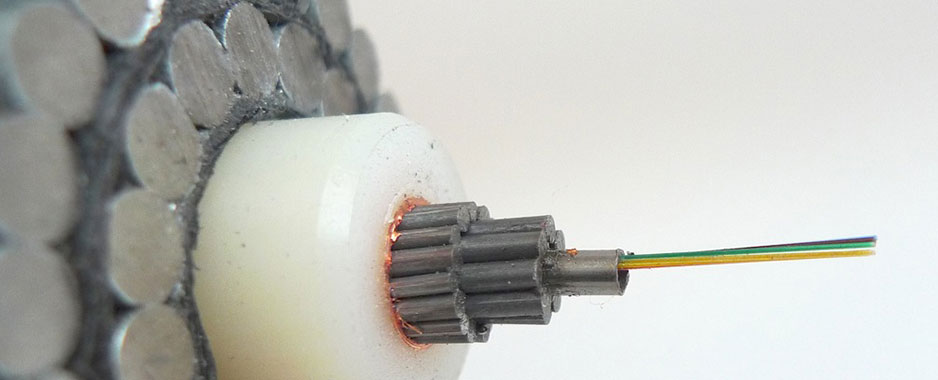
Maintenance on fibre cables in Egypt could cause slow Internet access in South Africa on Wednesday. Seacom manages a 17 000km undersea fibre broadband cable that connects to places