Close Menu
TechCentralTechCentral

    Subscribe to the newsletter

    Get the best South African technology news and analysis delivered to your e-mail inbox every morning.

    Facebook X (Twitter) YouTube LinkedIn
    WhatsApp Facebook X (Twitter) LinkedIn YouTube
    TechCentralTechCentral
    • News
      Telkom's data growth story still has years to run: CEO

      Telkom’s data growth story still has years to run: CEO

      2 June 2026
      Why Telkom is pouring capex into IT - Serame Taukobong

      Why Telkom is pouring capex into IT

      2 June 2026
      Reserve Bank draws a line on inflation - Lesetja Kganyago. Siphiwe Sibeko/Reuters

      Reserve Bank draws a line on inflation

      2 June 2026

      Clashing judgments leave South Africa’s crypto law unsettled

      2 June 2026
      Telkom's four-year SIU standoff awaits a final ruling

      Telkom’s four-year SIU standoff awaits a final ruling

      2 June 2026
    • World
      Astronomers discover exoplanets with magnetic fields

      Strange winds reveal magnetic fields on distant ‘hot Jupiters’

      2 June 2026
      Nvidia's first CPUs to debut in Windows laptops this week

      Nvidia CPUs to debut in Windows laptops this week

      31 May 2026
      Watch: Bezos rocket erupts in fireball during ground test

      Watch: Bezos rocket erupts in fireball during ground test

      29 May 2026
      AI boom hands Samsung chip workers life-changing bonuses

      AI boom hands Samsung chip workers life-changing bonuses

      27 May 2026
      Luce lit: Ferrari unveils its first electric car

      Luce lit: Ferrari unveils its first electric car

      26 May 2026
    • In-depth
      Alfa's electric rebel - Alfa Romeo Junior Elettrica Veloce

      Alfa’s electric rebel

      29 April 2026
      Africa switches on as Europe dims the lights

      Africa switches on as Europe dims the lights

      9 April 2026
      The biggest untapped EV market on Earth is hiding in plain sight

      The biggest untapped EV market on Earth is hiding in plain sight

      1 April 2026
      AI, cybersecurity power standout year for Datatec - Jens Montanana

      The R16-billion tech giant hiding in plain sight

      26 March 2026
      The last generation of coders

      The last generation of coders

      18 February 2026
    • TCS
      TCS | Charge's R1.8-billion bet on an off-grid EV future - Charge chairman Joubert Roux

      TCS | Charge’s R1.8-billion bet on an off-grid EV future

      18 May 2026
      TCS+ | The Up&Up Group on the hidden cost of AI - Jason Harrison

      TCS+ | The Up&Up Group on the hidden cost of AI

      13 May 2026
      Michael Rossouw

      TCS+ | The retirement decision most South Africans get wrong

      6 May 2026
      TCS | The Cape Town start-up listening for TB with AI - Braden van Breda

      TCS | The Cape Town start-up listening for TB with AI

      4 May 2026

      TCS+ | ‘The ISP for ISPs’: Vox’s shift to wholesale aggregator

      20 April 2026
    • Opinion
      Treasury's crypto crackdown is a betrayal of Mandela's promise - Duncan McLeod

      Treasury’s crypto crackdown is a betrayal of Mandela’s promise

      22 May 2026
      South Africa is sleepwalking into another AI policy failure - Celeste Labuschagne

      South Africa is sleepwalking into another AI policy failure

      20 May 2026
      AI won't fix your culture - it will expose it - Jackie Kennedy

      AI won’t fix your culture – it will expose it

      19 May 2026
      Treasury's crypto crackdown is a betrayal of Mandela's promise - Duncan McLeod

      Free calls, dead voice and Shameel Joosub’s Spanish ghost

      22 April 2026
      The conflict of interest at the heart of PayShap's slow adoption - Cheslyn Jacobs

      The conflict of interest at the heart of PayShap’s slow adoption

      26 March 2026
    • Company Hubs
      • 1Stream
      • Africa Data Centres
      • AfriGIS
      • Altron Digital Business
      • Altron Document Solutions
      • Altron Group
      • Arctic Wolf
      • Ascent Technology
      • AvertITD
      • BBD
      • Braintree
      • CallMiner
      • CambriLearn
      • CM Telecom
      • Contactable
      • CYBER1 Solutions
      • Digicloud Africa
      • Digimune
      • Domains.co.za
      • ESET
      • Euphoria Telecom
      • HOSTAFRICA
      • Incredible Business
      • iONLINE
      • IQbusiness
      • Iris Network Systems
      • Kaspersky
      • LSD Open
      • Mitel
      • NEC XON
      • Netstar
      • Network Platforms
      • Next DLP
      • Ovations
      • Paracon
      • Paratus
      • Q-KON
      • SevenC
      • SkyWire
      • Solid8 Technologies
      • Telit Cinterion
      • Telviva
      • Tenable
      • Vertiv
      • Videri Digital
      • Vodacom Business
      • Wipro
      • Workday
      • XLink
    • Sections
      • AI and machine learning
      • Banking
      • Broadcasting and Media
      • Cloud services
      • Contact centres and CX
      • Cryptocurrencies
      • Education and skills
      • Electronics and hardware
      • Energy and sustainability
      • Enterprise software
      • Financial services
      • HealthTech
      • Information security
      • Internet and connectivity
      • Internet of Things
      • Investment
      • IT services
      • Lifestyle
      • Motoring
      • Policy and regulation
      • Public sector
      • Retail and e-commerce
      • Satellite communications
      • Science
      • SMEs and start-ups
      • Social media
      • Talent and leadership
      • Telecoms
    • Events
    • Advertise
    TechCentralTechCentral
    Home » Sections » Energy and sustainability » 76% of Africa’s energy needs could come from renewables by 2040

    76% of Africa’s energy needs could come from renewables by 2040

    The 76% from renewables would be met by 82% hydropower, 11% solar power and 7% wind power, researchers say.
    By The Conversation21 March 2024
    Twitter LinkedIn Facebook WhatsApp Email Telegram Copy Link
    News Alerts
    WhatsApp

    More than half of Africa’s people – about 600 million – lack access to even the bare minimum of electricity. The tough question to answer is how access can be extended without adding to global warming by relying on fossil fuels.

    We – a team from Rwanda and Germany who work in the field of renewable energy scientific modelling – set out to find the answer by building the Renewable Power Plant Database Africa, the first on the continent. It’s a database of available open-access data on hydro, wind and solar energy sources that we’ve analysed.

    The database shows that some countries, such as Nigeria and Zimbabwe, have enough projects in the pipeline to transition away from fossil fuels by 2050. And that 76% of all electricity required on the continent could come from renewable resources by 2040. This would happen if the capacity of existing hydro, solar and wind power plants were fully utilised and if all plants currently on the drawing-board were built.

    None of this can happen unless countries are willing to get into transnational electricity sharing arrangements

    The 76% from renewables would be met by 82% hydropower, 11% solar power and 7% wind power. Hydropower has been the main renewable energy resource to date, but declining costs for solar photovoltaics (90% decline since 2009) and wind turbines (55-60% decline since 2010) mean solar and wind have potential to lead sustainable renewable energy options.

    We conclude that combining the advantages of hydropower with wind and solar would be a more sustainable alternative to hydropower alone. And that hybrid solutions would be the best option.

    But none of this can happen unless countries are willing to get into transnational electricity sharing arrangements. In addition, providing openly accessible and location-specific data is fundamental for the development of an integrated sustainable renewable energy mix.

    We compiled the publicly available records of 1 074 hydropower, 1 128 solar and 276 wind power plants into one database. These were both existing and planned plants. We included the location of each proposed plant for all African countries.

    Database

    We then integrated the data into a harmonised and updated database. This is the first comprehensive overview of renewable energy plants in Africa that includes their geographic coordinates, construction status and capacity (in megawatts).

    This database shows that some countries have enough projects in the pipeline to potentially transition away from fossil fuels.

    Hydropower is used by Eswatini, Angola, Djibouti, Gambia, Cameroon, Tanzania, Lesotho and the Democratic Republic of Congo as a major or main source of renewable electricity.

    Other countries, including Egypt, South Africa, Algeria, Libya, Cape Verde, Morocco and Tunisia, are lagging behind in renewable energy development. These countries are highly electrified and their economies depend strongly on fossil fuels.

    We found that hydropower could more than double to 132GW. This would happen if those plants that have already had feasibility studies carried out were built. The Aswan High Dam has an installed capacity of 2.1GW and generates most of Egypt’s energy. So 132GW would be enough to provide power for several countries.

    However, hybrid solutions are more likely to provide reliable electricity to a growing population in a changing climate. The cost of wind and solar power is dropping while a recent analysis concluded that barely any hydropower will be profitable after 2030. If hydropower is not a favourable option under future climate change scenarios, wind and solar will be able to step in.

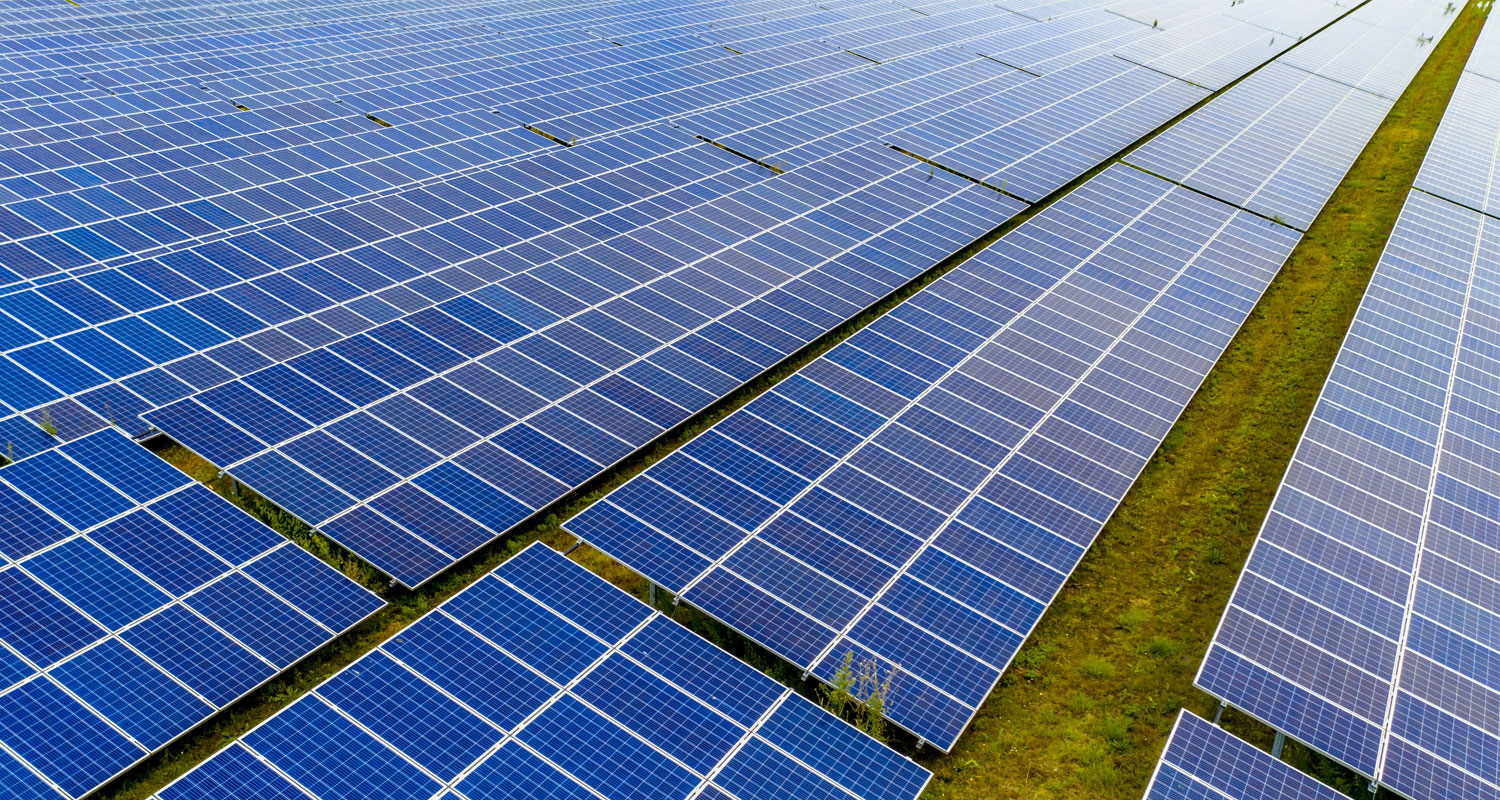
    Hybrid power plants that generate a combination of renewable energy are another option. A promising example of this is the installation of floating solar panels on existing reservoirs.

    To meet the demand across Africa, we recommend the following:

    • There must be international electricity sharing between African countries. This is the only way to ensure a renewable electricity supply to all countries.
    • African leaders must move away from economic-driven development and integrate the different interests from people involved or affected, such as local residents, the general population, and governmental and non-governmental organisations. In the past, the land-intensive expansion of renewable power plants has caused conflicts with farmers, national parks and industries.
    • Renewable energy development must include the interests of different people involved or affected by new energy projects, such as local communities and the general population. In the past, the land-intensive expansion of renewable power plants has caused conflicts with farmers, national parks and industries.
    • Governments must share experience across borders to avoid mistakes such as damming the Nile River for hydropower. The Aswan High Dam, for example, disturbs the transport of sediments down to the delta of the Nile, threatening the highly biodiverse wetlands and inducing shoreline erosion, putting humans at risk. The Great Ethopian Renaissance Dam, currently under construction, is a recent prominent example of the need for cooperation and river management across borders, especially when facing potential impacts of climate change like droughts on the efficiency of the hydropower plant.
    • There needs to be a general rethink on how data is managed. All data should be shared and openly accessible across the world. Countries need to share high-quality data, including data about their power plants. High-quality data is key to analysing the different routes that electricity development should take across the continent in future. Such projections are only as good the knowledge and data they are based on.

    African countries that follow this route will be global role models for a renewable energy transition.

    • The ConversationThe authors are Christiane Zarfl, professor for environmental systems analysis, Faculty of Science, University of Tübingen, and Rebecca Peters, PhD candidate in environmental systems analysis, Faculty of Mathematics and Natural Sciences, University of Tübingen. The co-authors are Jürgen Berlekamp, Charles Kabiri, Beth A Kaplin and Klement Tockner, all of whom co-authored the research that this article is based on
    • This article is republished from The Conversation under a Creative Commons licence

    Get breaking news alerts from TechCentral on WhatsApp

    Follow TechCentral on Google News Add TechCentral as your preferred source on Google


    WhatsApp YouTube
    Share. Facebook Twitter LinkedIn WhatsApp Telegram Email Copy Link
    Previous ArticleNeuralink shows first brain-chip patient playing online chess
    Next Article VC inflows into African start-ups slump 31%

    Related Posts

    Telkom's data growth story still has years to run: CEO

    Telkom’s data growth story still has years to run: CEO

    2 June 2026
    Why Telkom is pouring capex into IT - Serame Taukobong

    Why Telkom is pouring capex into IT

    2 June 2026
    Reserve Bank draws a line on inflation - Lesetja Kganyago. Siphiwe Sibeko/Reuters

    Reserve Bank draws a line on inflation

    2 June 2026
    Company News
    The hidden infrastructure behind AI - Open Access Data Centres OADC

    The hidden infrastructure behind AI

    2 June 2026
    South Africa's R450 000 school fees problem has a tech answer - CambriLearn

    South Africa’s R450 000 school fees problem has a tech answer

    2 June 2026
    Addressing the 57% blind spot: Kaspersky on measuring SOC effectiveness

    Addressing the 57% blind spot: Kaspersky on measuring SOC effectiveness

    2 June 2026
    Opinion
    Treasury's crypto crackdown is a betrayal of Mandela's promise - Duncan McLeod

    Treasury’s crypto crackdown is a betrayal of Mandela’s promise

    22 May 2026
    South Africa is sleepwalking into another AI policy failure - Celeste Labuschagne

    South Africa is sleepwalking into another AI policy failure

    20 May 2026
    AI won't fix your culture - it will expose it - Jackie Kennedy

    AI won’t fix your culture – it will expose it

    19 May 2026

    Subscribe to Updates

    Get the best South African technology news and analysis delivered to your e-mail inbox every morning.

    Latest Posts
    Telkom's data growth story still has years to run: CEO

    Telkom’s data growth story still has years to run: CEO

    2 June 2026
    Why Telkom is pouring capex into IT - Serame Taukobong

    Why Telkom is pouring capex into IT

    2 June 2026
    Reserve Bank draws a line on inflation - Lesetja Kganyago. Siphiwe Sibeko/Reuters

    Reserve Bank draws a line on inflation

    2 June 2026
    The hidden infrastructure behind AI - Open Access Data Centres OADC

    The hidden infrastructure behind AI

    2 June 2026
    © 2009 - 2026 NewsCentral Media
    • Cookie policy (ZA)
    • TechCentral – privacy and Popia

    Type above and press Enter to search. Press Esc to cancel.

    Manage consent

    TechCentral uses cookies to enhance its offerings. Consenting to these technologies allows us to serve you better. Not consenting or withdrawing consent may adversely affect certain features and functions of the website.

    Functional Always active
    The technical storage or access is strictly necessary for the legitimate purpose of enabling the use of a specific service explicitly requested by the subscriber or user, or for the sole purpose of carrying out the transmission of a communication over an electronic communications network.
    Preferences
    The technical storage or access is necessary for the legitimate purpose of storing preferences that are not requested by the subscriber or user.
    Statistics
    The technical storage or access that is used exclusively for statistical purposes. The technical storage or access that is used exclusively for anonymous statistical purposes. Without a subpoena, voluntary compliance on the part of your Internet Service Provider, or additional records from a third party, information stored or retrieved for this purpose alone cannot usually be used to identify you.
    Marketing
    The technical storage or access is required to create user profiles to send advertising, or to track the user on a website or across several websites for similar marketing purposes.
    • Manage options
    • Manage services
    • Manage {vendor_count} vendors
    • Read more about these purposes
    View preferences
    • {title}
    • {title}
    • {title}