Looking at the guest list at King Charles III’s Windsor Castle banquet for US President Donald Trump last month made one thing abundantly clear: it’s a tech-driven world now. The guest list wasn’t just political – it was packed with tech tycoons, underscoring how deeply technology now shapes global power.
The media described the visit as “pomp and pageantry”, with 160 guests seated along a glittering table in St George’s Hall. Yet beneath the royal ceremony and political speeches from the king and Trump, a subtler story was unfolding – one about the growing fusion of technology and geopolitics.
Trump arrived with several tech magnates aboard Air Force One, reinforcing their global relevance to both politics and business. Tech and power, it seems, now move in tandem. The two countries used the occasion to announce a £31-billion “tech prosperity deal” – a name that, intentionally or not, implied technology now leads the economic agenda.
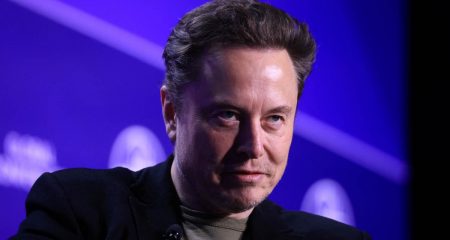
Among the dinner guests were Nvidia CEO Jensen Huang, Apple’s Tim Cook and OpenAI’s Sam Altman – a visible signal that the US sees technological dominance as strategic leverage. The visit also aimed to deepen US-UK technology partnerships, what some observers have called a “tech bromance”.
The UK, a largely services-based economy, lags the US and China in AI and advanced technology. The new deal could help close that gap. Washington’s longer-term goal may be to strengthen the UK as an AI ally in countering China’s growing influence – effectively reinforcing transatlantic tech cooperation before the next global AI showdown.
According to the UK’s department for business & trade, the country’s AI market is valued at £72.3-billion – Europe’s largest, but still less than half the size of the US sector. Ahead of Trump’s visit, Microsoft announced a £22-billion investment under its “Stargate AI” plan to expand the UK’s AI infrastructure. Nvidia, now the world’s most valuable company, also pledged £11-billion for AI development. Both aim to make AI a truly general-purpose technology – as essential and omnipresent as water or air.
Digital power
Major investors were also at the table. Blackstone CEO Stephen Schwarzman, whose private equity firm manages more than US$1.1-trillion in assets, signalled plans to invest £90-billion in the UK, including £10-billion earmarked for AI growth zones. His presence highlighted the growing interdependence between finance, technology and innovation.
The Windsor summit ultimately reflected a broader truth: global leadership now flows through technology. The prominence of Silicon Valley at the banquet should prompt African policymakers to prioritise science, innovation and especially Stem (science, technology, engineering and maths) education. For Africa, meaningful participation in the digital economy will require far more than symbolic state visits or vague trade agreements – it demands sustained investment in homegrown technological capacity.
The UK even has a dedicated AI minister, Kanishka Narayan. African nations may not yet need standalone AI ministries, but developing local AI ecosystems is essential if the continent hopes to compete in the coming decades.
As Nvidia’s Huang told the UK audience: “You’re going to be an AI superpower – you just don’t appreciate it. Come on, you’re too humble.” Africa could take that advice to heart – and turn its natural wealth into digital power.
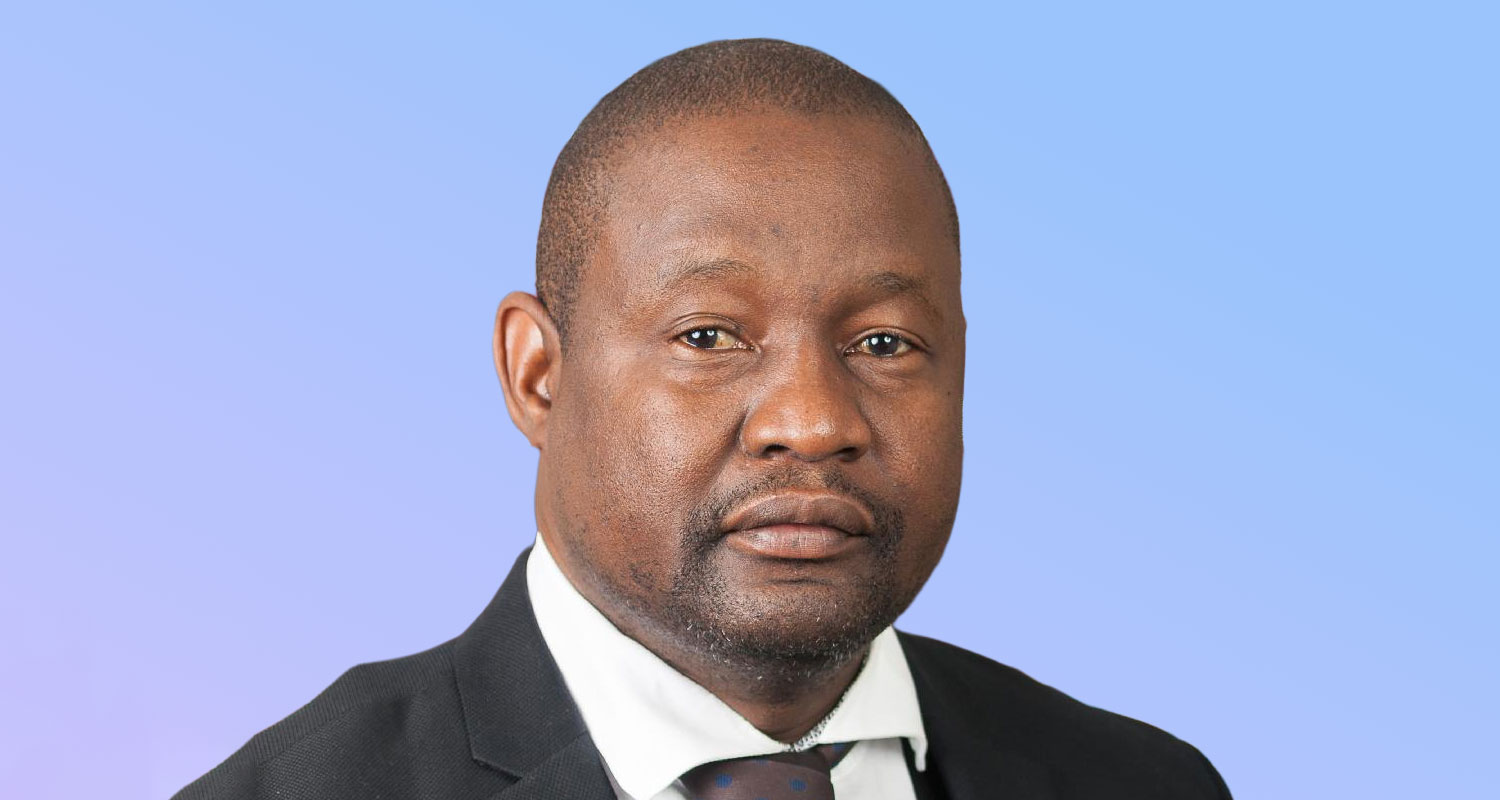
- Brian Hungwe is a journalist, lawyer and legal scholar with special research interest in intellectual property law and innovation; public international law; constitutional and human rights; and delict and arbitration
Get breaking news from TechCentral on WhatsApp. Sign up here.