


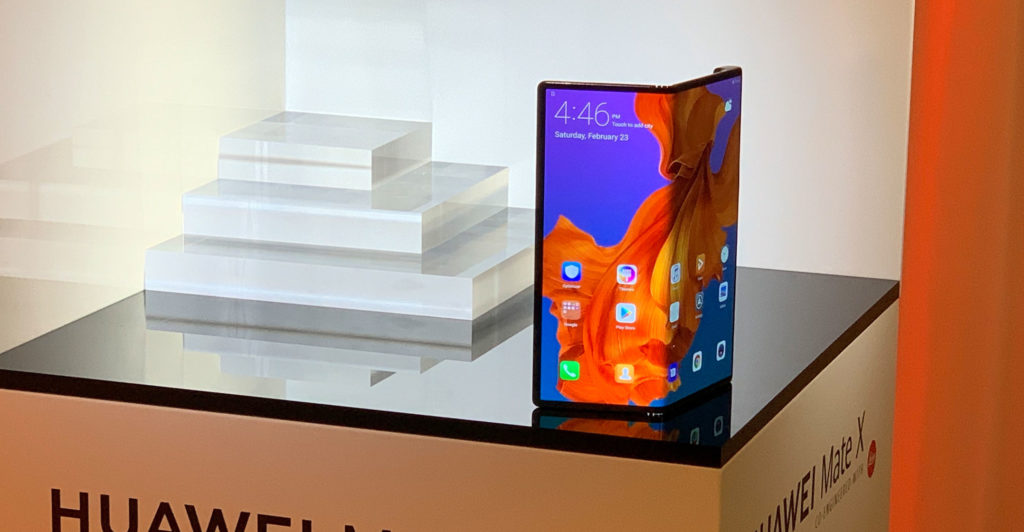
Chinese technology giant Huawei has begun selling its first foldable smartphone without Google apps or US-made processor chips following sanctions imposed by Washington.
Chinese technology giant Huawei has begun selling its first foldable smartphone without Google apps or US-made processor chips following sanctions imposed by Washington.

Amazon.com has given notice that it will file a lawsuit challenging the US defence department’s decision to award Microsoft a cloud computing contract valued at as much as $10-billion over a decade.

Taiwan has suspended sales of three Huawei smartphone models that identify Taiwan as part of China, striking a fresh blow in a long-running conflict over references to sovereignty.

South African municipalities’ inability to provide consistent power is exacerbating supply disruptions by the debt-stricken state electricity utility, hobbling efforts to revive the nation’s economy.
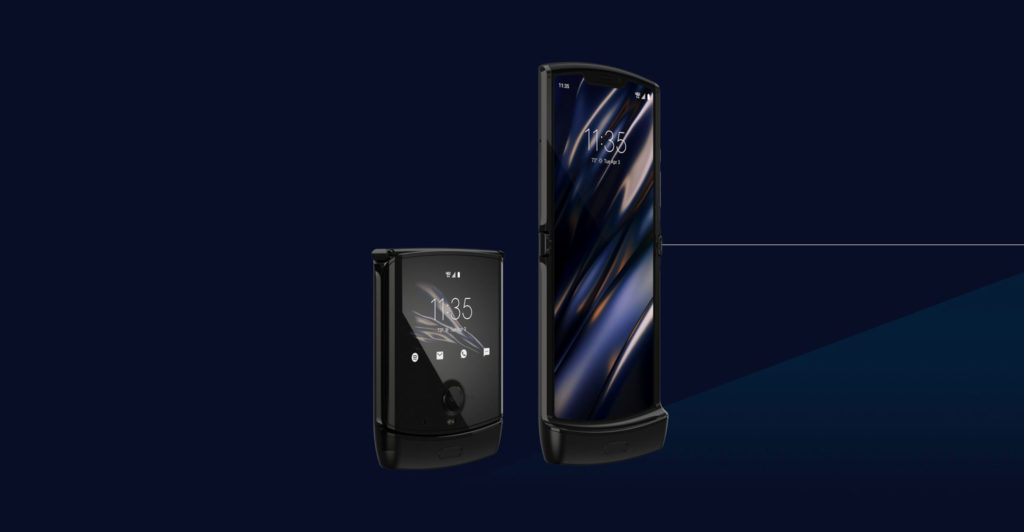
Motorola is rebooting the iconic Razr flip phone as a 6.2-inch smartphone with a foldable display that gives the Lenovo-owned brand a unique selling point against Apple and Samsung’s finest.

Apple is considering bundling its paid Internet services, including News+, Apple TV+ and Apple Music, as soon as 2020, in a bid to gain more subscribers.
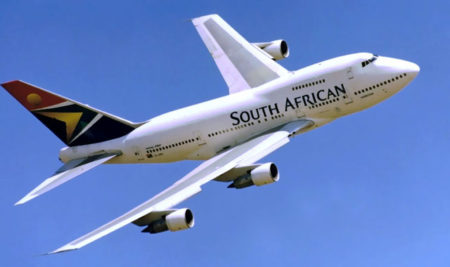
South African Airways has cancelled nearly all its flights scheduled for Friday, 15 November and Saturday, 16 November.

Hikvision’s shares fell by the most in more than a month after China’s securities regulator opened a probe into alleged misconduct by its billionaire vice chairman.
The Post Office is cutting several hundred jobs, the second state-owned company in as many days to detail plans to lay off workers as the government looks to slash its wage bill.

Walt Disney’s much-anticipated debut of its new streaming video service was marred by technical glitches and crashes for some users, though it still stirred excitement online.