Bank Zero broke even for the first time in August, four years and 10 months after opening to the public. In the same month it took on about half a million end customers from remittance group Mukuru, more than doubling the number of people on its platform.
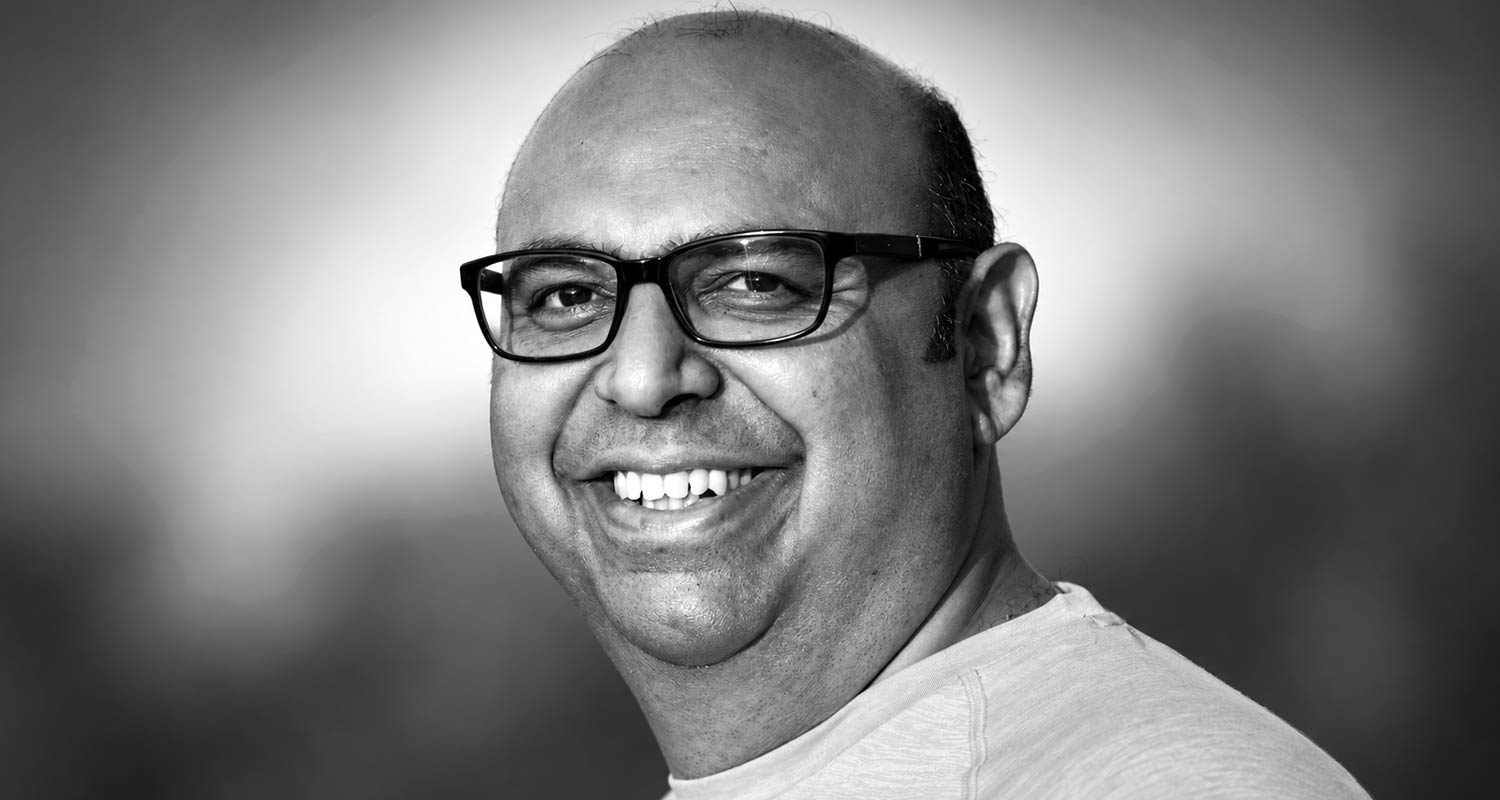
Chairman Michael Jordaan told TechCentral the bank has 275 000 of its own customers. CEO Yatin Narsai said the Mukuru base has been issued Bank Zero account numbers and that balances are now starting to move across, a process that requires every customer to be issued a new card. “From a Bank Zero point of view, we now see over 700 000 end customers,” Narsai said.
The Mukuru relationship has not previously been reported.
It sits inside Bank Zero’s alliance banking model, under which fintechs, retailers and digital platforms issue card products on the bank’s infrastructure rather than building their own. Bank Zero named card issuer-processor Paymentology as its first alliance partner in April, and Narsai said the first bulk schemes came across in January.
Mukuru is a significant catch. Founded in 2004 in Cape Town, it is one of South Africa’s oldest fintech businesses, moving money across more than 60 countries through over 320 000 pay-in and payout points. Its customer base is heavily weighted towards migrants and the unbanked.
The Mukuru Card was backed by Standard Bank when it was launched, which would make the migration a switch away from one of the big four.
‘Focus on the big fish’
The significance is huge, according to Narsai. Sponsor banks that provide licences and rails to fintechs have been repricing the service hard, he said, with some clients facing increases of 100% or more. “If you put 100% fee increase on the table, a lot of these guys would be out of the game,” he said. Bank Zero undercut them and has a queue forming: “We’re going to focus on the big fish, and we’re talking big books.”
Bank Zero’s pitch has always been that owning its own core banking platform lets it cover costs on a fraction of the customers a new bank normally needs. It designed for break-even at 100 000 customers, against the two million-plus it says comparable entrants have required, and put just under R300-million of capital into the build.
Two things temper the milestone. It reached break-even at 275 000 organic customers, not 100 000. And Jordaan disclosed that the founders have drawn no pay. “What was quite unique here is the founders didn’t pay themselves anything, so they had to keep afloat with side hustles,” he said. The bank also carries no lending book, which he described as an advantage: “We were able to reach profitability on a small amount of customers without doing lending. So now you add lending on top of it, and it scales beautifully.”

Business accounts make up 18% of the book, ahead of the 10% assumed in the original business case, with more than 80% of those registered companies.
Narsai warned earnings will be uneven in the short term, with staff bonuses still to be paid. “It’s one of those good debits that you want in your income statement.” He expects healthy profits in 2027.
Lending comes next with the R1.1-billion acquisition by Lesaka Technologies, which remains subject to Prudential Authority approval. Foreign exchange depends on the South African Reserve Bank upgrading Bank Zero from a restricted to a fully authorised dealer, which would let it handle business forex and remittances, a capability with obvious relevance to its newest partner.
‘Enough runway’
Bank Zero and Lesaka Technologies extended the long-stop date for the conclusion of their deal to 31 January 2027 in June, and Narsai described that as giving “enough runway” for the remaining approvals, putting completion months out – at most. Lesaka Southern Africa CEO Lincoln Mali told TechCentral earlier this month he expects the deal to close by the end of the calendar year.
Narsai defended staying under a mutual bank licence rather than converting to a commercial one, saying the commercial framework brings unnecessary regulatory friction and capital requirements Bank Zero has no use for. It can add lending without changing licence. — © 2026 NewsCentral Media