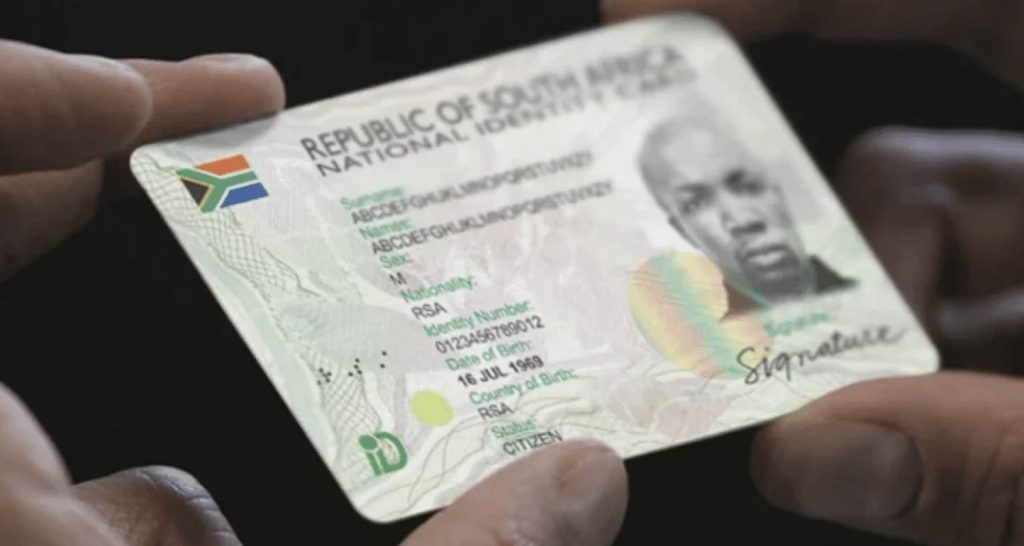
Home affairs has extended its smart ID replacement service to 753 bank branches, surpassing its target of 750 a day after it opened the first phase of a digital asylum system to test cases.
The department said on Wednesday it had beaten the target “more than four months ahead of schedule”, measured against the end of March 2027.
Home affairs minister Leon Schreiber had publicly set an earlier date. In May, he told parliament the service would reach at least 750 bank branches by the end of 2026, and in June he repeated “by the end of this year”. Against that, the department is about seven weeks early.
When the bank partnership launched on 9 March, the department said nine branches had gone live, with 17 expected by the end of that week and 1 000 by 2029. TechCentral reported 167 branches in May and 515 in October.
Registering confers no status and does not provide blanket protection against immigration enforcement.
Department of home affairs
According to the department, only 214 home affairs offices could process smart ID applications at the start of the current administration, so the bank branches take the total to 967, an increase of more than 350%. In June, it put the earlier footprint at 248 offices and 32 bank branches. More than a million South Africans have used the bank channel, it said.
Citizens can “simply walk into” a participating Absa, Capitec, FNB or Standard Bank branch without booking, and applications take as little as five minutes, the department said.
The asylum portal, launched on Tuesday, is the first phase of what home affairs calls a “digital asylum system”. For now it only records an intention to apply for asylum, and only for a first batch of test cases. Public intake begins after a software release this weekend.
That is less than government promised. In October, the inter-ministerial committee on migration said a registration system would be in place by 10 November, including appointments at refugee reception offices. Home affairs now says appointment scheduling will come in a later phase.

The commitment followed the constitutional court’s 7 July judgment striking down sections of the Refugees Act that shut asylum seekers out on procedural grounds, and the crush at refugee reception offices after a 28 September intake directive, which director-general Livhuwani Makhode later withdrew.
Registering confers no status and does not “provide blanket protection against immigration enforcement”, the department said. Later phases will add machine learning and AI tools to clear a decades-old appeals backlog. The department says 95% of asylum applicants are routinely rejected.
“Over the next few months, we will roll out subsequent phases of this project until the time required to adjudicate an asylum application and appeal is dramatically reduced, ensuring protection for the small minority of applicants in genuine need, and swift deportation for all failed asylum seekers,” Schreiber said. – (c) 2026 NewsCentral Media