Motorists who replace the windscreen on a car fitted with driver-assistance technology may be driving with compromised safety systems without knowing it, the Automobile Association (AA) has warned.
In a statement this week, the AA said the cameras used by advanced driver assistance systems (ADAS), which power features such as autonomous emergency braking (AEB), lane departure warnings and traffic sign recognition, are often mounted on the upper, inner surface of the windscreen. Manufacturer guidelines require them to be recalibrated after any glass replacement or camera removal.
“Due to normal manufacturing tolerances of the windscreen and the camera bracket, the camera will be pointing in a different direction following the installation of a new windscreen,” the AA said.
If the camera is not recalibrated, the system may keep working from its original reference point, which is now wrong.
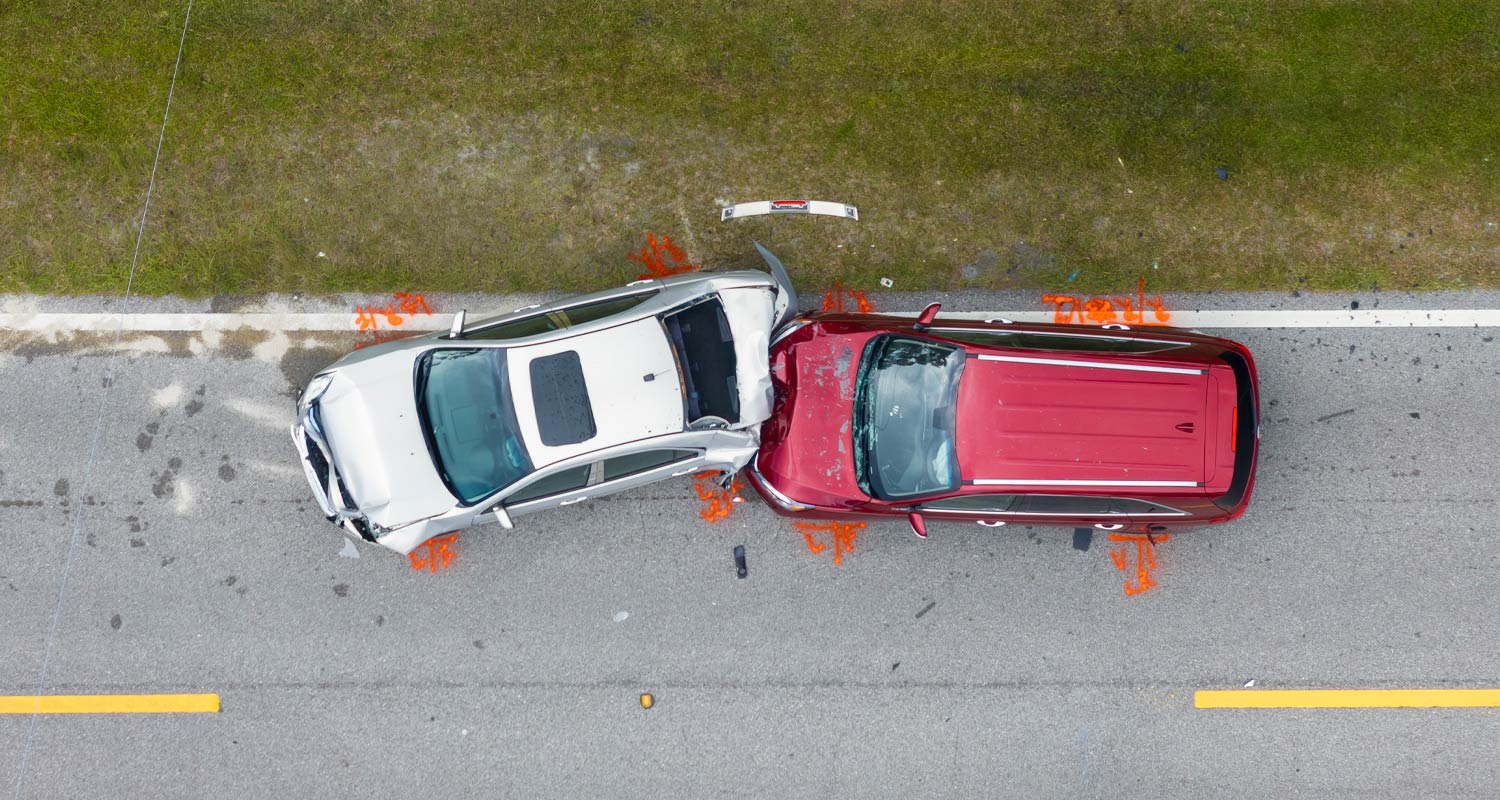
The association said this can lead to false alarms, no alerts at all or safety systems that fail to engage. “In tests, mis-calibrated cameras led to vehicles failing to stop in time during AEB activation, resulting in collisions, or deviating from the lane in the case of a malfunctioning LKA [lane keep assist] system,” it said. The release did not say who ran those tests.
The problem is hard to spot. According to windscreen fitter PG Glass, manufacturer workshop diagnostic scans currently do not show a fault code when a recalibration is missing or inaccurate. “This creates confusion because the car may appear ‘fault-free’ even though ADAS is compromised,” the AA said.
More and more cars affected
The number of cars affected is climbing. Forward-facing cameras were fitted to about 17% of cars on South Africa’s roads at the end of 2024, up from about 2% in 2020, said Eddie Irving, head of new markets at Belron, the global windscreen group whose franchise network includes PG Glass. Irving said more than five million vehicles were recalibrated globally after a windscreen replacement in 2025.
Those figures, like the fault-code claim, come from companies that sell recalibration.
Recalibration happens in two stages: a static calibration in a workshop, using manufacturer-approved target boards and software, then a dynamic calibration on the open road, where the system learns the camera’s new position from road markings. Once done, the vehicle carries a permanent record of the recalibration alongside a recalibration certificate.
The AA said many insurers require proof of recalibration after a windscreen replacement and may ask for the certificate when a claim is made.
AA CEO Bobby Ramagwede likened the process to a vehicle recall. “Recalibration of ADAS becomes the equivalent of a vehicle recall, it is mandatory for the ongoing effective safety parameters of the modern vehicle. Like with a safety recall, it is a cost-free solution that can save many lives,” he said.
The release did not say who carries the cost. PG Glass, which does the work, says on its ADAS page that it recalibrates as part of every windscreen replacement on cars fitted with ADAS, and that “the cost is determined by your specific vehicle”. Its homepage tells customers claiming from insurance that it handles “the paperwork, authorisation and fitment”. It does not say whether insurers pay for recalibration.
“The AA encourages owners to insist on certified recalibration as mandatory with every windscreen replacement undertaken,” Ramagwede said.
What the Dutch data shows
Ramagwede also cited “a Dutch insurance body study involving one million cars between 2019 and 2021” that “showed up to 50% less accidents in vehicles with functional Front Collision Warning systems”.
That description only partly matches the closest study TechCentral could find. A 2021 study by the Dutch Association of Insurers did cover about one million cars, but its summary shows it examined accidents in 2019 only. Nor does it give a figure for forward collision warning: its “more than 50%” reduction refers to a different system, a warning for traffic approaching from behind. The researchers also said they did not know whether a system was switched on at the time of an accident, or whether it intervened.
A 2024 follow-up by the same body, covering 692 951 private cars, found that those fitted with lane keep assist and collision detection had 37% and 32% lower odds of an accident respectively. Not every system helped: cruise control raised the odds by 12%. – © 2026 NewsCentral Media