
Intel CEO Pat Gelsinger has predicted the shortage of semiconductors that’s hurting industries from automotive to consumer electronics will bottom out in the second half of this year before starting to improve.
“I don’t expect the chip industry is back to a healthy supply-demand situation until 2023,” he said in an interview. “For a variety of industries, I think it’s still getting worse before it gets better.”
The global economy’s rebound from the depths of the pandemic has caused a flood of demand for the components that are the heart of all modern electronics. Lockdowns and changes in the way that large chunks of the world’s population work has speeded up a shift to digital systems and that has further stretched the semiconductor industry’s ability to keep up with the flood of orders, according to Gelsinger.
Intel, the world’s largest chip maker, gets the majority of its sales from providing processors that run PCs and servers, machines that are central to data centres and corporate networks.
Gelsinger said Intel’s ownership of its factories has left it better placed to keep up with demand than other companies that outsource production, but supply of the other components of computers has fallen short.
Strong demand
Longer term, the chip industry is positioned for a period of growth, Gelsinger predicted. Over the next decade, the increasing uses for chips – including 5G phone systems, electric vehicles and expanded artificial intelligence – will drive strong demand, he said.
That view makes Intel’s CEO a leading voice among executives who’re arguing that the current boom in demand for chips is more than just a short-lived supply crunch that will inevitably lead into another of the industry’s periodic cyclical slumps. Others are less sold on the idea that the industry can continue to grow more than 5% annually as Gelsinger and some suggest.
Broadcom CEO Hock Tan earlier this month stuck to his position that the current supply crunch hasn’t changed the industry into the high-flier that Gelsinger and others predict. While his company posted a 15% sales increase in its most recent quarter, Tan said that fundamentally chip production is a mature industry that will return to lower growth.
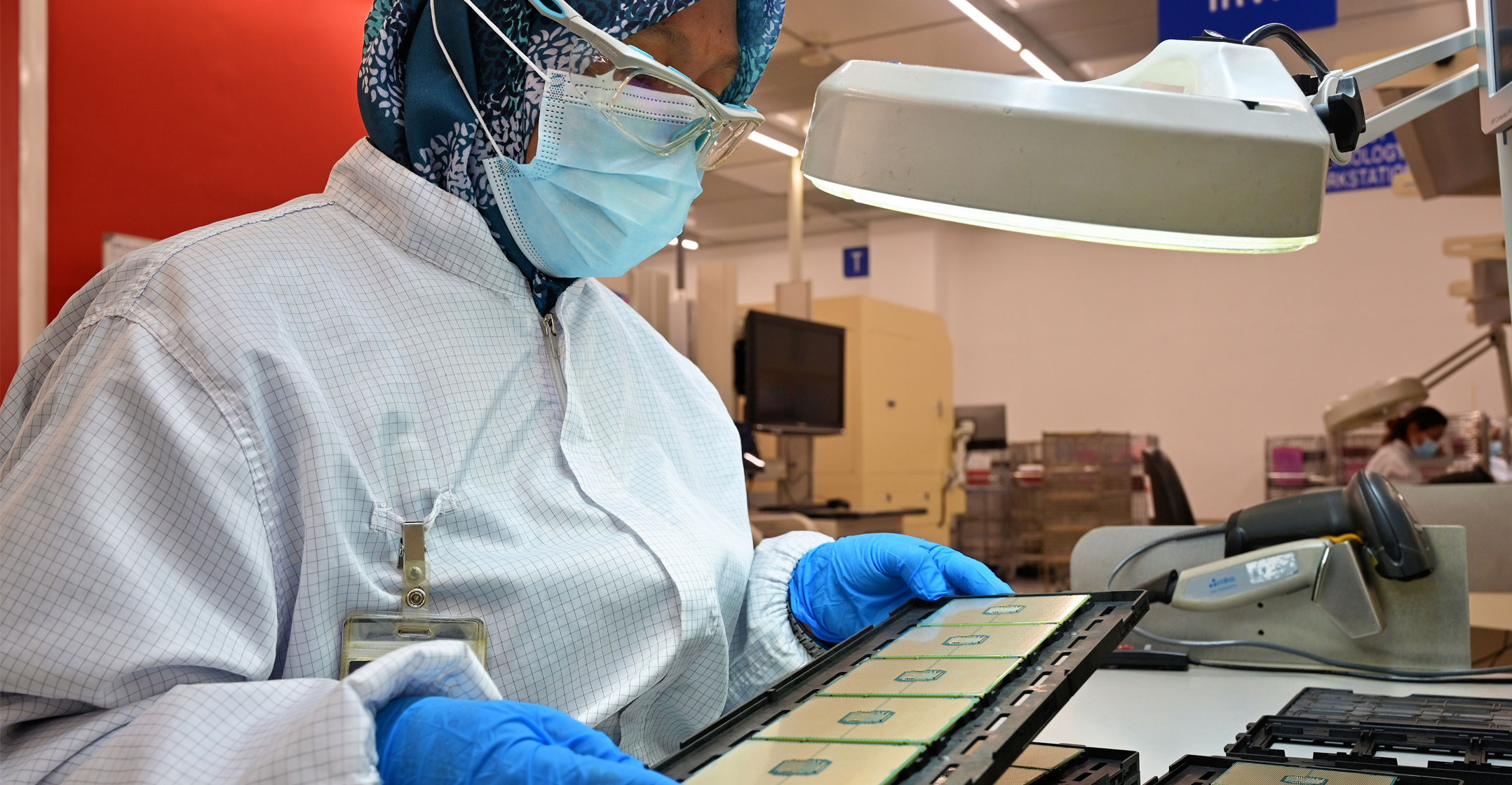
The importance of semiconductors to the worldwide economy has come into sharper focus in the past few years in the wake of the trade war between the US and China, the pandemic’s impact on the global supply chain and longer chip delivery times currently causing shortages of everything from cars to game consoles. US companies dominate the semiconductor industry measured by sales and design. But production, a vital element in determining the capabilities of chips, has shifted to Asia, where Taiwan’s TSMC and Korea’s Samsung Electronics have taken leadership.
Gelsinger, who took the top job at Santa Clara, California-based Intel in February, has pledged to restore the company to its leading role in manufacturing and computer processors. He’s also moving to take on those Asian companies directly by opening the doors of Intel’s plants to other chip makers, including competitors, and has said he’ll spend heavily to build new factories specifically to act as foundries that make chips for others. — Reported by Ian King, (c) 2021 Bloomberg LP