 As load shedding persists and solar options gain popularity in South Africa, many households have to decide whether to buy or rent the means to a solution.
Renting a solar system means you have access to ongoing support and advice, and if any part of the installation begins to malfunction, you can merely call the service provider and request service attention or maintenance, in exchange for a monthly rental fee.
To buy a solar system, homeowners have to purchase solar panels and an inverter as well as the necessary components to install the equipment. This option allows for more control, but also requires ongoing supervision in terms of maintenance and repairs, for which homeowners are responsible.
So, should you lease or own your solar installation. There’s a lot to consider.
Leasing
“When you decide to rent a solar system, you agree with a solar service provider to use their solar panels and associated equipment for a specified period,” said Dylan Schnetler, commercial head at solar specialists Rubicon.
“By renting, you gain the right to use the solar system to generate electricity for your home. Instead of purchasing the system upfront, you pay a monthly rental fee to the service provider. They usually take care of all the maintenance and necessary repairs.”
When you lease a solar system, remember that since you do not own the equipment, the solar service provider maintains the right to remove the system if the agreement ends.
Owning
Conversely, owning a solar system entails purchasing and installing the solar panels and other components on your property, granting you full control.
You also assume responsibility for all maintenance, cleaning and repairs.
In the long run, buying is the more sensible option because it allows you to harness long-term financial benefits, whereas renting merely provides temporary access without the benefits of ownership.
Read: South African banks’ solar financing options explored
“Over time, the renting model will cost you more and never be fully paid off, making it a perpetual fiscal drain. On the other hand, purchasing offers the advantage that, once the payment is complete, all the benefits continue to accrue with no further costs,” said Schnetler.
What components do you need?
Whether you choose to rent or buy your solar system, the components you need remain largely the same. A solar system consists of several key bits of equipment that work together to convert sunlight into usable electricity. They are:
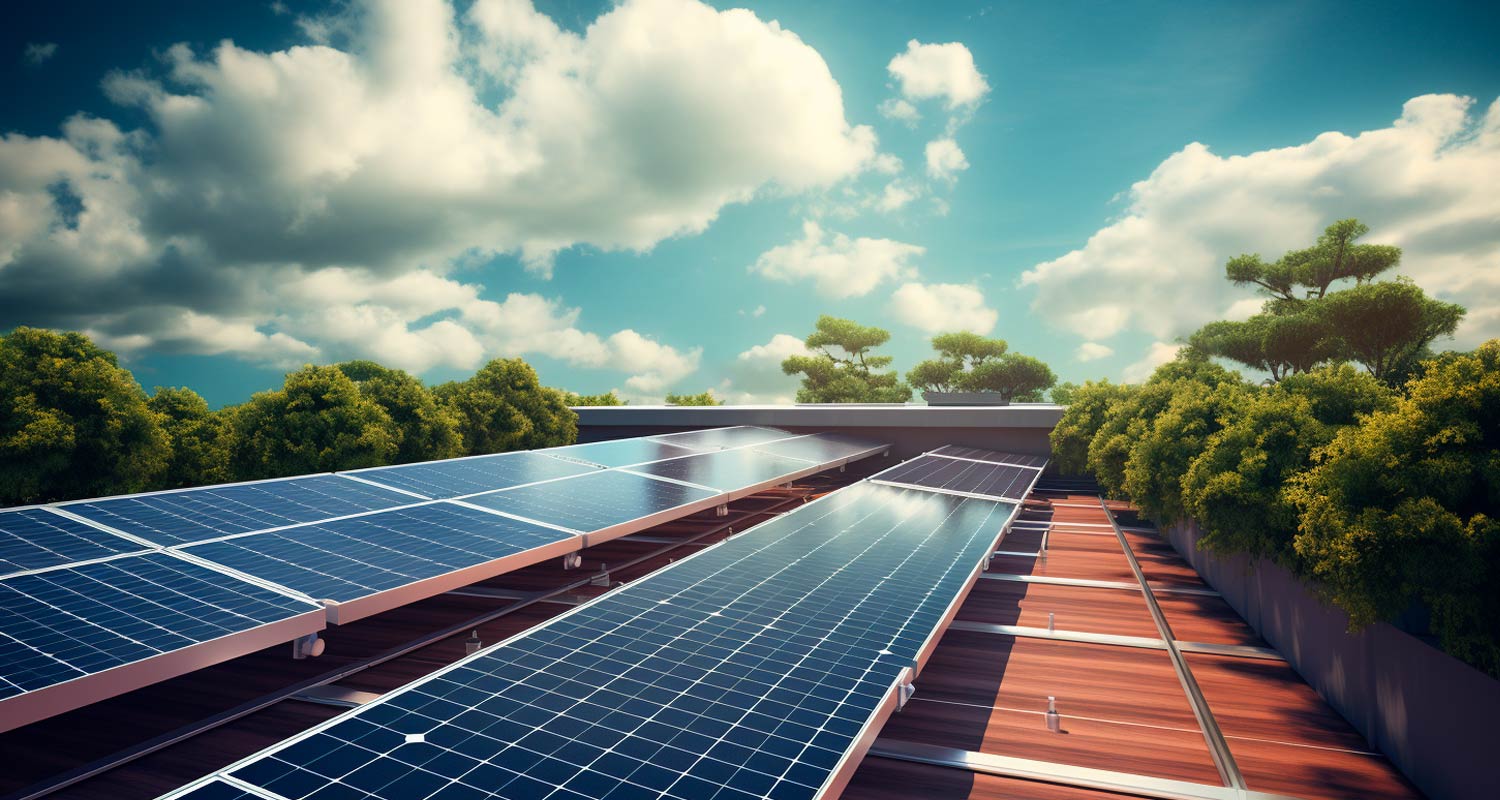
- Solar panels: Also known as photovoltaic (PV) panels, these are the most recognisable part of a solar system. The panels comprise individual solar cells that absorb sunlight and convert it into direct current (DC) electricity.
- Mounting system: The mounting system provides the structure and support for the solar panels. It ensures that the panels are securely installed on a roof, ground-mounted structure or other suitable location while allowing for proper orientation to maximise sunlight absorption.
- Inverter: The inverter is a critical component that converts the DC electricity generated by the solar panels into alternating current (AC) electricity, which is the type of electricity used in most homes and businesses. Inverters also optimise the power output from the solar panels to ensure maximum efficiency.
- Batteries: Many solar systems incorporate batteries to store energy. These batteries store excess electricity generated by the solar panels during the day for use during periods of low sunlight or at night. Battery storage allows for greater energy independence and can provide backup power during load shedding as well.
 According to information supplied by Rein Snoeck Henkemans, CEO of Alumo Energy, and by Nedbank’s retail and business banking group managing executive, Ciko Thomas, which TechCentral has collated below, there are advantages and drawbacks to both leasing and buying a solar solution.
Buying your solar system – the upsides
- Financial savings: Owning a solar system allows you to benefit from long-term financial savings. By generating your own electricity, you can greatly reduce or even eliminate your monthly electricity bills, leading to substantial savings over the system’s lifespan. Solar panels are durable and have a long lifespan, typically ranging from 25-30 years or more.
- Energy independence: Owning a solar system provides energy independence. You are less reliant on traditional energy sources and grid electricity provided by Eskom, giving you more control over your energy production and reducing vulnerability to power outages or rising energy prices.
- Positive environmental impact: By generating clean energy from your solar system, you actively work towards reducing carbon emissions and mitigating against climate change.
- Long warranties: Many solar solutions come with a 10-year warranty. This gives you peace of mind, knowing your investment is safe should any part break or malfunction.
- Option to finance: Many banks and institutions offer appealing financing options for your solar system. Going this route, you keep full ownership of the system while having the flexibility to divide the substantial upfront cost into manageable instalments.
- Increased property value: Installing a solar system can increase the value of your property. Prospective buyers are attracted to homes with solar because of the potential for reduced energy costs, environmental benefits and the growing demand for a power supply independent from Eskom.
- Tax incentive: National treasury allows individuals to receive a 25% tax rebate, up to a maximum of R15 000, for eligible solar panels that are put into operation from 1 March 2023 to 29 February 2024. A rental system does not qualify for this incentive.
- Customisation and control: When you own a solar system, you have the freedom to customise it according to your specific energy needs. You can determine the size, number of panels and system configuration, allowing you to maximise energy production and optimise your savings.
Buying your solar system – the drawbacks
- High upfront costs: Purchasing a solar system requires a significant upfront investment to cover the cost of equipment, installation and associated expenses. Although this cost may pose a challenge for some homeowners, there are ways to alleviate it. One option is to incorporate the cost into your existing home loan or utilise a credit facility.
- Higher monthly cost if financed: If you finance your solar system through your bank, your monthly repayments could be higher compared to renting a solar system. Your instalment will also vary based on fluctuations in interest rates.
- Responsibility for maintenance and repairs: After a certain period, the responsibility for service and maintenance costs of the solar system will shift to you, even if some solar installers offer an initial period of free service and maintenance.
- Insurance and warranty considerations: As the owner of the solar system, you will need to ensure that you have proper insurance coverage to protect against any potential damages or losses. Once your warranty expires, you will be responsible for any repairs or replacement costs not covered by your insurer.
- Limited flexibility: Once you install a solar system on your property, it becomes a semi-permanent fixture. If you decide to move or sell your home, you will need to negotiate its value with potential buyers.
“Buying offers bigger financial benefits than renting over the long term,” Schnetler said. “Both options offer homeowners the advantages of reduced electricity bills, continuous power supply and environmental sustainability. Although the upfront investment associated with buying a solar system is no small matter, selecting the appropriate financing product will help negate this obstacle.”
 Renting your solar system – the upsides
- Lower upfront costs: Renting a solar system generally involves minimal or no upfront costs compared to the significant investment required for purchasing and installing a system. This makes it more accessible for households with limited financial resources.
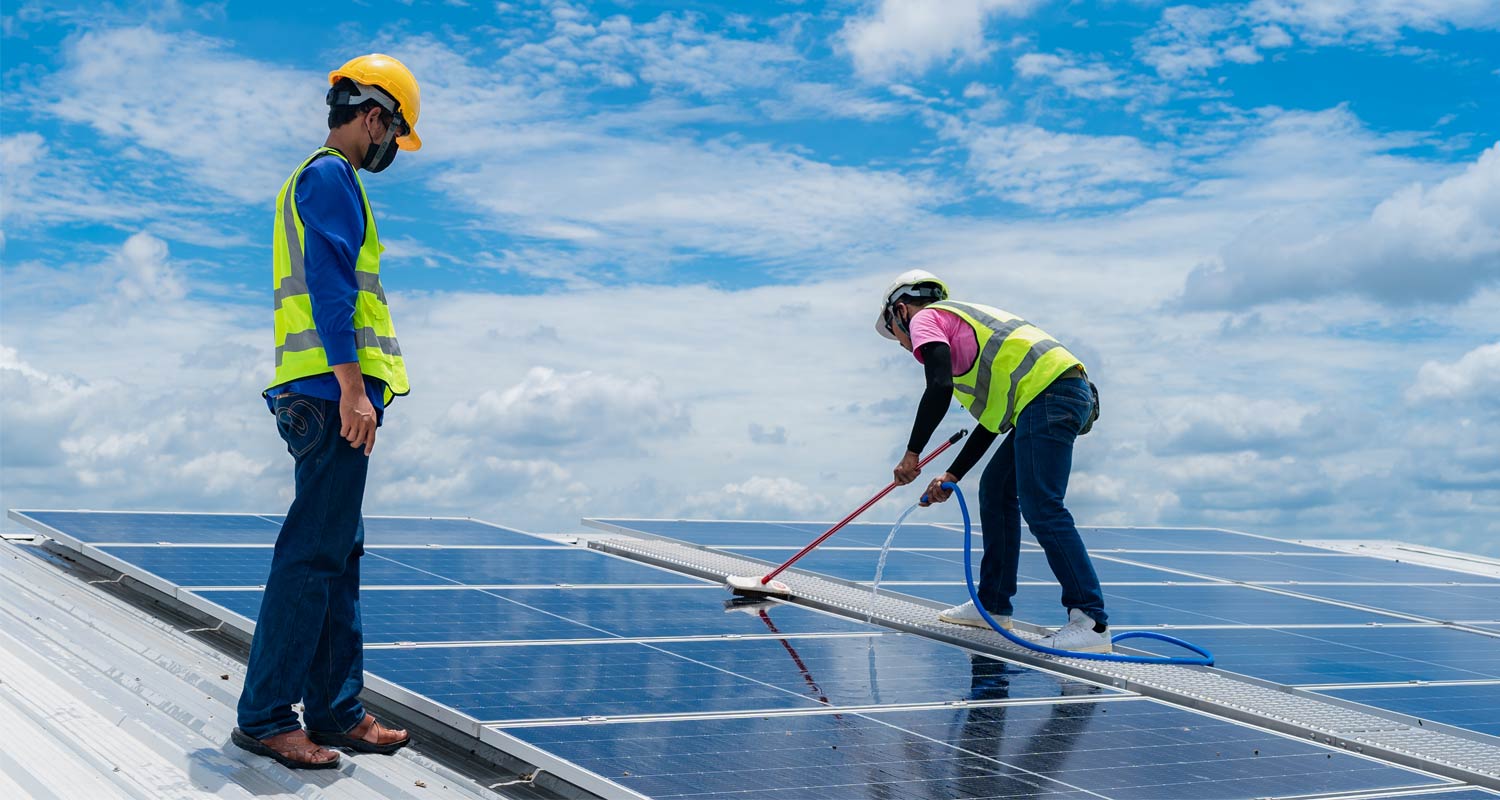
- Maintenance and repairs included: When you rent a solar system, the solar service provider takes responsibility for the maintenance and repairs of the system. This ensures that the system operates optimally without incurring extra costs. However, it’s important to do research on the track record and responsiveness of your rental provider.
- Transferability: If you are in a rental property or have plans to sell your house, choosing to rent a solar system instead of purchasing one could be more advantageous. Ending a solar rental agreement is generally straightforward, but you will most likely incur penalties for cancelling your contract early.
- Performance guarantee: Rental agreements often come with performance guarantees, ensuring that the system meets certain energy production levels. If the system underperforms, the service provider is usually responsible for addressing any issues and ensuring optimal performance.
- No long-term commitment: Renting a solar system offers flexibility in terms of contract duration. If you are unsure about the long-term commitment, or if your circumstances change, you have the option to end the rental agreement at the end of the agreed-upon period. However, be aware of possible penalties or cancellation costs.
- Rent-to-own: Many solar subscription options provide the opportunity to transition to a rent-to-own agreement after a few years. Nonetheless, it is essential to remember that the rental payments made prior to the conversion to rent-to-own may not be applied towards the eventual buy-out.
Although there are benefits to renting, it is important to also consider the drawbacks of this option, too.
Renting your solar system – the drawbacks
- Long-term cost: While renting may offer lower upfront costs, over the long term the cumulative rental payments can exceed the cost of purchasing a system outright. Renting may therefore not provide the same level of financial savings as owning a solar system.
- Annual increases: You can expect to see annual increases in your monthly rental agreement. These tend to range between 5% and 7%/year, further adding to the long-term cost burden.
- Limited control: When you rent a solar system, you have limited control over the equipment and its maintenance. The solar service provider handles system maintenance and repairs, which means you may have less flexibility in choosing the components or upgrading the system.
- Contractual obligations: Renting a solar system often involves signing a contract with specific terms and commitments, such as granting permanent property access. It is vital to fully understand the terms and obligations outlined in the contract before signing.
- No incentive claims: Unlike owning a solar system, renting currently does not provide access to government incentives or tax benefits. Selling back any excess power generated to the grid for your own benefit is not possible. The service provider keeps ownership of the excess power.
- No increase in property value: As the solar system is rented, it does not help increase the property’s value. When selling the property, you may need to negotiate with potential buyers to take over the rental agreement, which can add complexity to the sales process.
Despite the drawbacks, Wetility CEO Vincent Maposa believes opting for a solar subscription is the way to go. He said it offers affordability, convenience, ongoing technological benefits and peace of mind that your investment is well-maintained and protected.
 “When considering solar options in South Africa, subscribing to solar services can offer numerous advantages over an outright purchase. Affordability is a key factor, as it allows more people to access clean energy without a substantial upfront cost. Additionally, embedded maintenance contracts ensure that the solar system remains in optimal condition, saving the customer the hassle of self-maintenance,” he said.
“Technology in the solar industry is rapidly evolving, and by subscribing you can affordably upgrade systems and stay up to date with the latest advancements without the need for costly reinvestment.
Another significant benefit of a subscription model is the option to bundle services, which can further enhance the value you receive, he said. – © 2023 NewsCentral Media
Get breaking news alerts from TechCentral on WhatsApp