
Meta’s Ray-Ban and Oakley smart glasses are getting an official South African launch.
EssilorLuxottica, which makes the glasses with Meta, said in a joint announcement on 24 September that it would expand retail “in the coming months” into 10 new markets, including South Africa, Israel, Poland and New Zealand. A footnote to Meta’s own announcement a day earlier says Oakley Meta, Ray-Ban Meta and Ray-Ban Meta Optics “will be available in these new markets later this year”, and lists 11, adding Turkey.
The footnote does not cover Meta’s cheaper Meta Glasses collection, which is launching first in Singapore, South Korea, Mexico and the UAE, with Brazil to follow. That includes the new US$249 Meta Adventurer, which Meta calls its “most accessible price yet”.
The glasses are already sold here: retailer Evetech lists the standard Ray-Ban Meta Wayfarer from about R10 745, but says neither brand has an official retail footprint locally, with warranty support running through the retailer rather than Meta.
TechCentral has asked Meta for exact launch dates, local pricing and retail partners, which product lines are coming, and whether all features will be available here. We will update this story when the company responds. Meta’s South Africa plans were first spotted by The Open Letter.
One feature local buyers should not expect immediately is Muse, Meta’s new personal AI agent. Meta says Muse is available in the US and Canada, but the joint announcement says that on the companies’ AI glasses it will be “available in US only”. The same applies to Meta’s new hearing enhancement feature, which has been cleared by the US Food and Drug Administration.
Muse
Launched on 8 September, Muse can send e-mails, book travel, fill out forms and make purchases, checking with users before sensitive actions. Meta also showed off Muse Charm, a pocket-watch-sized gadget with a 5G modem for talking to the agent.
Reuters reported that Meta shipped Muse despite internal concerns that it mismanages its access to sensitive personal data. Meta has said it delayed the release in April to make it more secure, a delay CEO Mark Zuckerberg has since cited in arguing that competition and liability already push AI labs to act on safety.
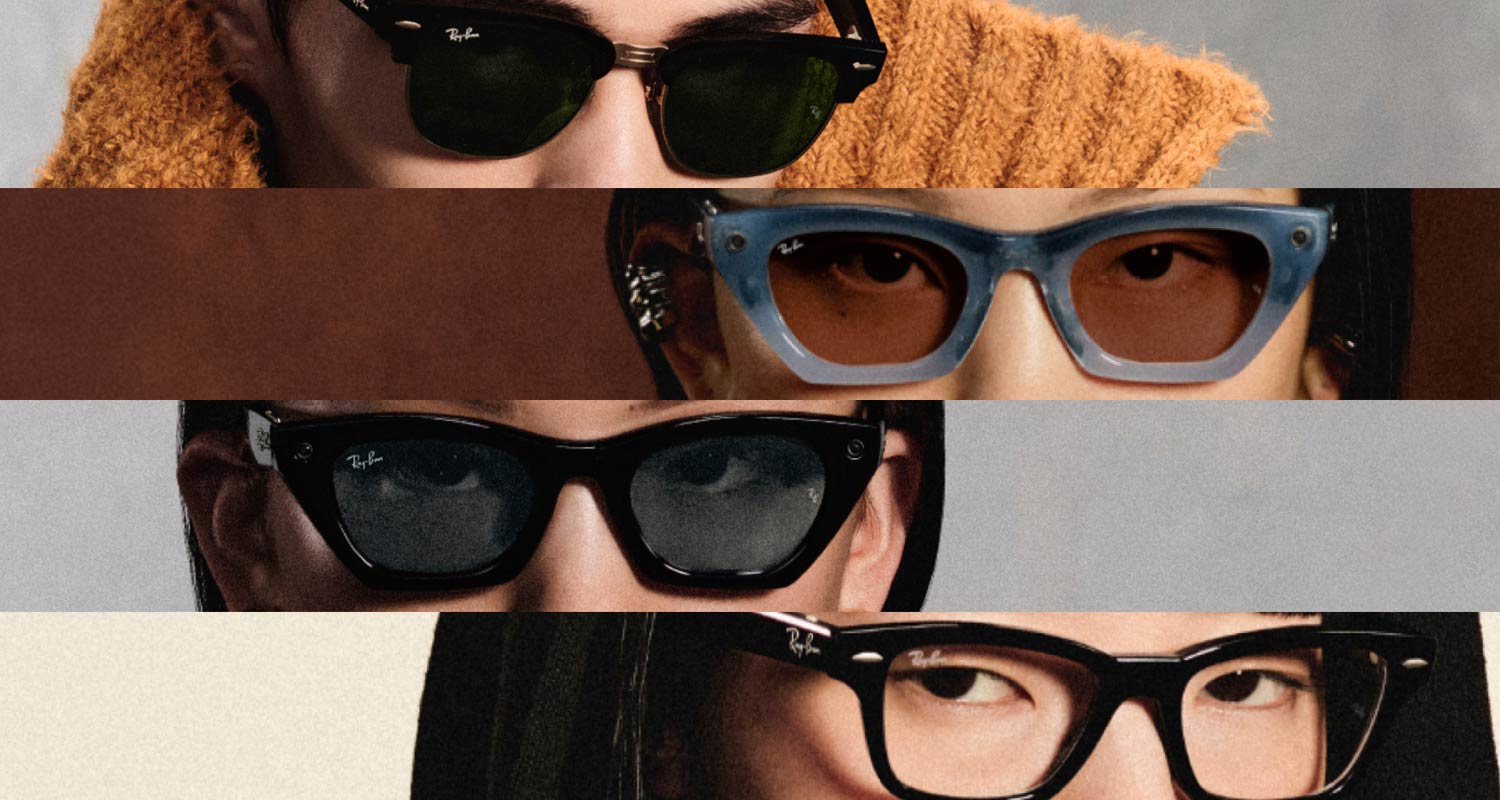
Ray-Ban Meta (Gen 3) is available now from $449. Meta says it is slimmer and lasts up to nine hours on a charge, an hour more than Gen 2. Styles include Aviator and a new cat-eye frame, Zena. An LED still alerts people nearby when the wearer is taking photos or video.
Ray-Ban Meta Audio, a camera-free line, weighs as little as 43g, runs for up to 12 hours and ships from $349 on 13 October. Meta told UploadVR the model had been in development for years and was not a response to the privacy backlash against camera-equipped glasses.
Neither the Audio line nor the new Meta VR Glasses, due in 2027, is named in the South African expansion.
Official availability is likely to raise a debate around privacy. As TechCentral argued in a July column, the Protection of Personal Information Act (Popia) treats biometric data as special personal information but largely exempts “purely personal or household” activity.
The column cited a Swedish newspaper investigation that found workers at a Kenyan subcontractor reviewing intimate footage captured by the glasses. It also noted that Meta tested facial recognition internally, then quietly removed the code from its companion app in June after civil society pressure, though Meta says it has made no final decision. And it credited Meta’s July firmware, which disables the camera if the LED is covered or damaged.
Meta will also bring “private processing” to its AI glasses later this year, which the joint announcement says will power new AI features “with consumer privacy in mind”.
TechCentral has reached out to the Information Regulator, which is responsible for enforcing Popia, for comment on Meta’s South African launch plans. – © 2026 NewsCentral Media