Close Menu
TechCentralTechCentral

    Subscribe to the newsletter

    Get the best South African technology news and analysis delivered to your e-mail inbox every morning.

    Facebook X (Twitter) YouTube LinkedIn
    WhatsApp Facebook X (Twitter) LinkedIn YouTube
    TechCentralTechCentral
    • News
      OpenAI turns the tables on Apple in trade secrets fight

      OpenAI turns the tables on Apple in trade secrets fight

      15 October 2026
      South Africa's midday power glut is a hidden risk for wheeling deals

      South Africa’s midday power glut is a hidden risk for wheeling deals

      15 October 2026
      iOCO CEO Rhys Summerton's naartjie theory of share buybacks

      iOCO CEO Rhys Summerton’s naartjie theory of share buybacks

      14 October 2026
      Ampath finds no evidence that test results were taken in breach

      Ampath finds no evidence that test results were taken in breach

      14 October 2026
      eMedia CEO breaks silence on eNCA retrenchments - Khalik Sherrif

      eMedia CEO breaks silence on eNCA retrenchments

      14 October 2026
    • World
      AI is now holding up the world economy, says IMF

      AI is now propping up the world economy, says IMF

      12 October 2026
      SpaceX takes aim at US wireless carriers with spectrum acquisition

      Starlink is coming for your mobile operator

      9 October 2026
      The AI PC is finally here. It's just very expensive - Jensen Huang, Satya Nadella

      The AI PC is finally here. It’s just very expensive

      8 October 2026
      The memory crunch is making Samsung fabulously rich

      The memory crunch is making Samsung fabulously rich

      8 October 2026
      SpaceX to borrow $40-billion to buy Nvidia chips

      SpaceX to borrow $40-billion to buy Nvidia chips

      7 October 2026
    • In-depth

      10 days that changed the course of AI

      21 September 2026
      Meta to the AI industry: slow down without us - Mark Zuckerberg

      Meta to the AI industry: slow down without us

      16 September 2026
      Google DeepMind CEO Demis Hassabis. Image: John Sears

      The plan to stop AI from breaking the world

      16 July 2026
      The internet has a Strait of Hormuz problem

      The internet has a Strait of Hormuz problem

      15 July 2026
      AI boom sparks rally, frenzy and fear

      AI boom sparks rally, frenzy and fear

      11 June 2026
    • TCS
      W&W | LDV's Gerhard Moolman on electric bakkies, fleet orders and 'school fees'

      W&W | LDV’s Gerhard Moolman on electric bakkies and fleets

      9 October 2026
      TCS | Frogfoot sees bigger fibre deals coming - TechCentral Show guests Abraham van der Merwe and Shane Chorley

      TCS | Frogfoot sees bigger fibre deals coming

      8 October 2026
      Meet the CIO | Vodacom's Mohamed Sami on the agentic future

      Meet the CIO | Vodacom’s Mohamed Sami on the agentic future

      5 October 2026
      Lexi Novitske, general partner at Norrsken22, on the TechCentral Show

      TCS | Norrsken22’s Lexi Novitske on how China is winning African tech

      1 October 2026
      TCS | Dominic White and Adam Ely on AI agents going rogue

      TCS | Dominic White and Adam Ely on AI agents going rogue

      29 September 2026
    • Opinion
      When a machine can choose, who does it become? Fanie van Rooyen

      When a machine can choose, who does it become?

      9 October 2026
      Let South Africans jailbreak their way to digital sovereignty - Dirk de Vos

      Let South Africans jailbreak their way to digital sovereignty

      5 October 2026
      South Africa's next energy crisis is in the accounts department - Craig Holmes

      South Africa’s next energy crisis is in the accounts department

      29 September 2026
      The steam engine lesson AI doomsayers keep missing - Sam Clarke

      The steam engine lesson AI doomsayers keep missing

      28 September 2026
      Let South Africans jailbreak their way to digital sovereignty - Dirk de Vos

      Regulating AI: apply the laws we have first

      21 September 2026
    • Company News
      • 1Stream
      • Africa Data Centres
      • AfriGIS
      • Altron Digital Business
      • Altron Document Solutions
      • Altron Group
      • Arctic Wolf
      • Ascent Technology
      • AvertITD
      • BBD
      • Braintree
      • CallMiner
      • CambriLearn
      • CM.com
      • Contactable
      • CYBER1 Solutions
      • Digicloud Africa
      • Digimune
      • Domains.co.za
      • ESET
      • Euphoria Telecom
      • HOSTAFRICA
      • Incredible Business
      • iONLINE
      • IQbusiness
      • Iris Network Systems
      • Kaspersky
      • LSD Open
      • Mitel
      • NEC XON
      • Netstar
      • Network Platforms
      • Next DLP
      • Ovations
      • Paracon
      • Paratus
      • Publishared
      • Q-KON
      • SevenC
      • SkyWire
      • Solid8 Technologies
      • Telit Cinterion
      • Telviva
      • Tenable
      • Vertiv
      • Videri Digital
      • Vodacom Business
      • Vox
      • Wipro
      • Workday
      • XLink
    • Sections
      • AI and machine learning
      • Banking
      • Broadcasting and Media
      • Cloud services
      • Contact centres and CX
      • Cryptocurrencies
      • Education and skills
      • Electronics and hardware
      • Energy and sustainability
      • Enterprise software
      • Financial services
      • HealthTech
      • Information security
      • Internet and connectivity
      • Internet of Things
      • Investment
      • IT services
      • Lifestyle
      • Policy and regulation
      • Public sector
      • Retail and e-commerce
      • Satellite communications
      • Science
      • SMEs and start-ups
      • Social media
      • Talent and leadership
      • Telecoms
      • Watts & Wheels
    • Events
    • Advertise
    TechCentralTechCentral
    Home » Sections » Energy and sustainability » South Africa’s midday power glut is a hidden risk for wheeling deals

    South Africa’s midday power glut is a hidden risk for wheeling deals

    Private wheeling projects have no regulated compensation if the grid operator curtails them because of oversupply.
    By Fanie van Rooyen15 October 2026
    Twitter LinkedIn Facebook WhatsApp Email Telegram Copy Link
    Get breaking news on WhatsApp

    South Africa's midday power glut is a hidden risk for wheeling deals

    Private renewable energy producers that wheel power – selling it directly to data centres and other large users and delivering it over the grid – have no regulated compensation if the grid operator switches them off because of oversupply.

    That gap has not cost them yet: as far as the South African Photovoltaic Industry Association (Sapvia) is aware, this year’s more than tenfold rise in curtailment instructions has fallen entirely on state-procured projects.

    Sapvia said in July that curtailment instructions to independent power producers (IPPs) had risen “from roughly 100 a month earlier this year to more than a thousand a month”.

    We had a particularly bad time during winter 2026, where we’ve seen curtailment of up to 3GW in a particular day

    Asked how many of those affected privately contracted or wheeling projects, Simphiwe Khuluse, Sapvia’s technical and policy manager, told TechCentral: “As far as we are aware, all of these curtailment instructions affected section 34 (state-procured) projects. None of them applied to private off-take or wheeling generation.” Sapvia represents the solar industry, so its view may not extend to wind farms.

    “We had a particularly bad time during winter 2026, where we’ve seen curtailment of up to 3GW in a particular day,” Gav Hurford, acting GM of the National Transmission Company South Africa (NTCSA) system operator, said last week.

    He was speaking as energy minister Kgosientsho Ramokgopa announced a proposed determination for 4.6GW of battery storage and 5GW of gas-to-power. The batteries are meant to charge from electricity that would otherwise be curtailed.

    Two classes of producer

    State-procured producers are compensated when told to stop, through deemed energy payments for the power they could have generated. In its reasons for decision on an NTCSA curtailment application in 2025, the energy regulator noted that “section 34 IPPs are paid deemed energy payments for curtailed energy by the NTCSA”, but that private generators did not receive this compensation.

    “Instead, the risks and costs associated with lost production due to curtailment are addressed in contracts between private generators and their energy off-takers,” it said.

    That decision gave private producers some cover, but only for curtailment caused by grid congestion. Under the mechanism NTCSA proposed and Nersa approved, “the off-taker’s account will be credited with the curtailed energy as if the IPP had supplied it”. The approval runs from 1 April 2025 to 31 March 2028, and the mechanism may only be used to connect additional generation capacity in the Eastern Cape and Western Cape.

    It excludes “curtailment resulting from oversupply”. For that, the regulator lists the compensation method for private producers as “buyer or as per bilateral PPA” – that is, the buyer, or whatever the bilateral power purchase agreement (PPA) provides.
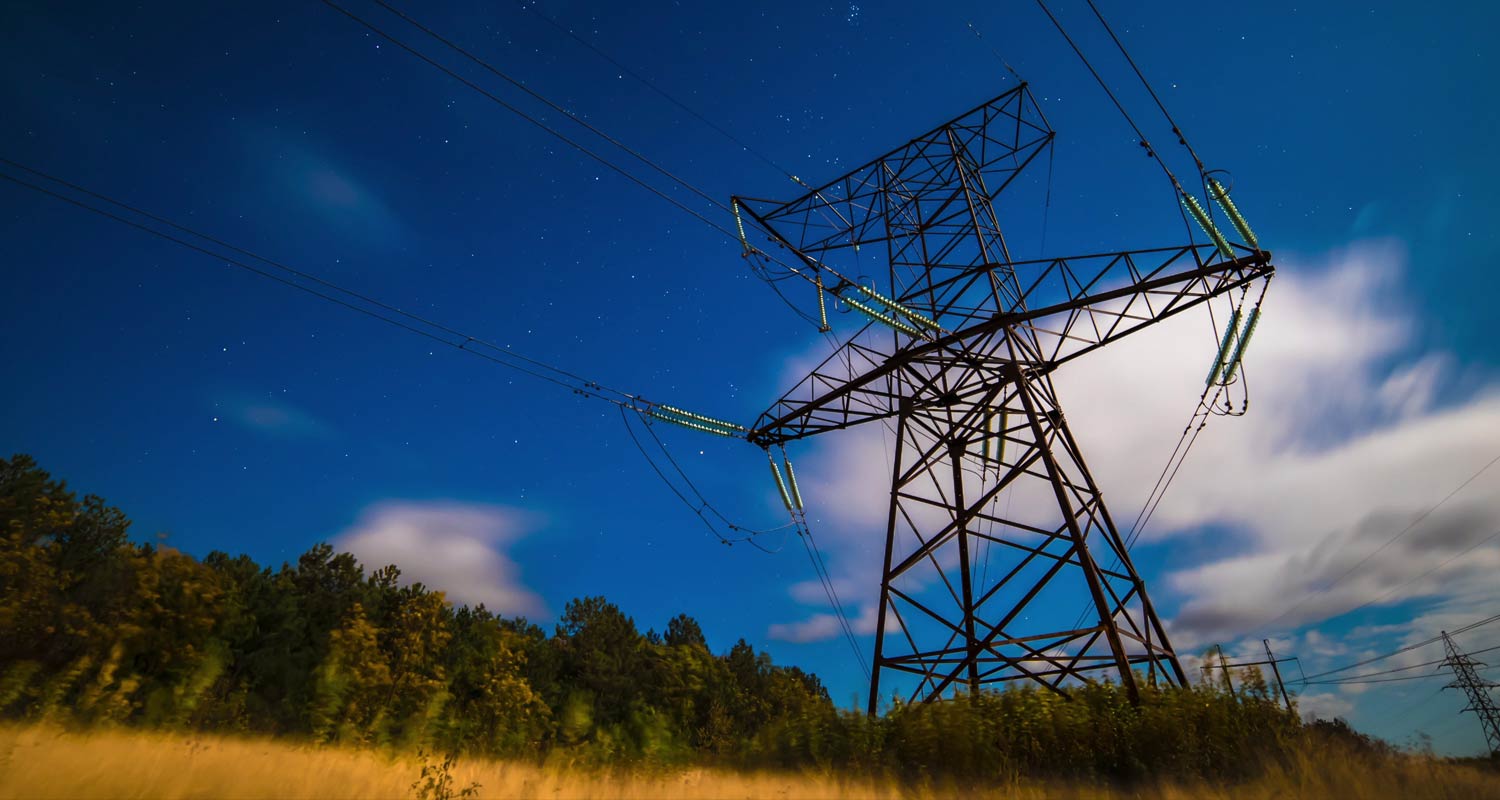
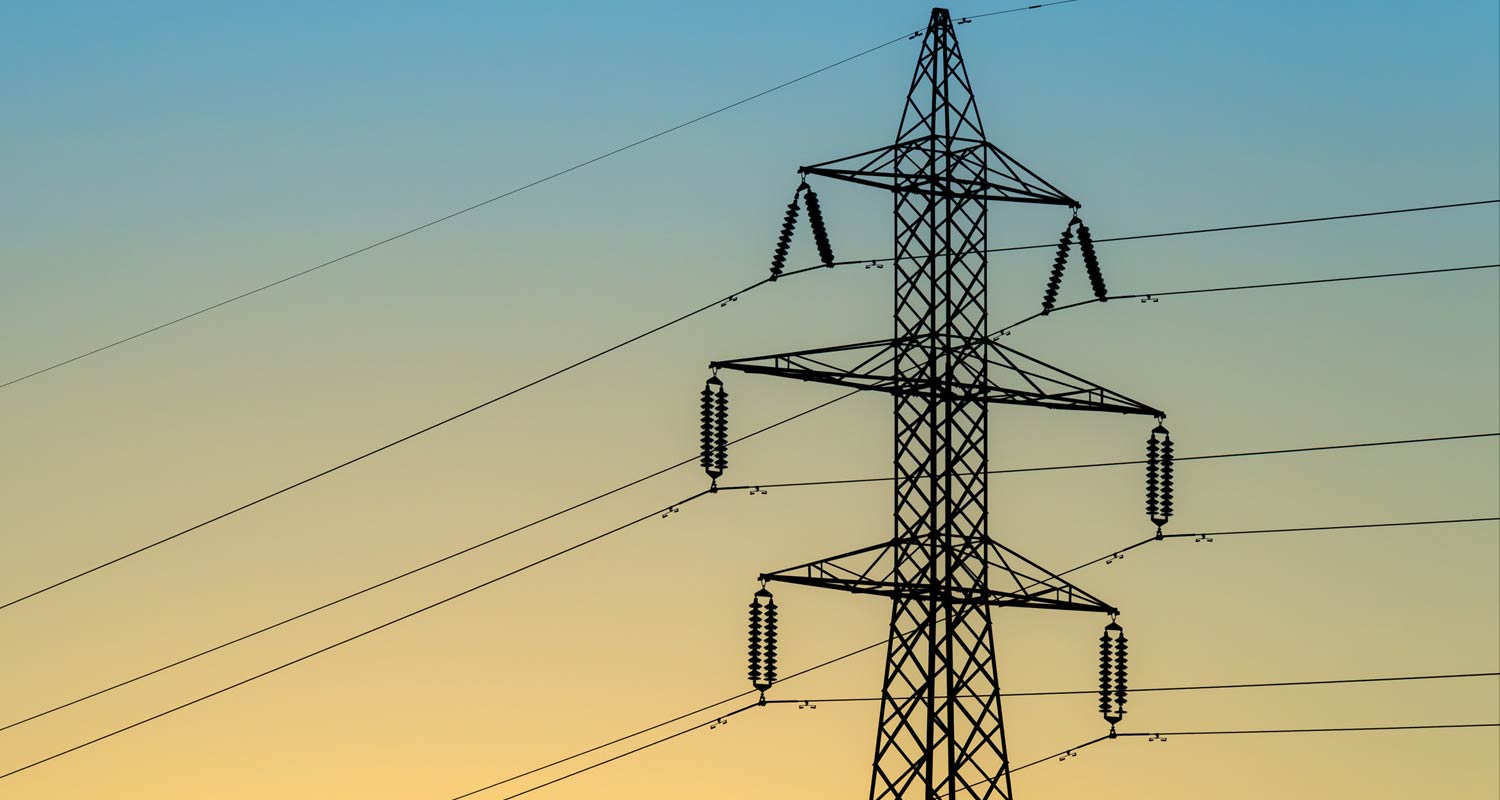
    Eskom pylon

    NTCSA has said curtailment is “driven either by network constraints that limit power transmission, or during periods where total electricity supply exceeds demand, particularly during low demand periods such as midday”. It has not said how this year’s instructions divide between the two causes.

    Khuluse said IPPs operating under private PPAs “do not have a contractual mechanism for deemed energy payments”.

    “For private wheeling deals, the supply contract and applicable compensation framework determine who carries the cost,” said Matthew Cruise, energy analyst and senior business developer at Jaltech and a management committee member of the South African Independent Power Producers Association.

    Even compensated producers have felt the strain. Claims undergoing verification and settlement stood at about R2-billion in mid-June and had fallen to R1.5-billion by 24 July, a figure that included new claims received since 14 June, according to NTCSA. It said processing returned to normal operating levels on 31 August.

    “For IPPs, reduced production and delayed compensation put pressure on cash flow while debt repayments and operating costs continue,” Cruise said.

    Down to the contract

    Robert Marston, data centre director at NTT Data South Africa, said: “NTT Data has not been directly impacted by grid curtailment this year. However, who carries the financial cost when renewable generation is curtailed depends on the terms negotiated between the IPP and the data centre operator. Depending on the agreement, the cost may fall to either party or be shared between them.”

    “Private IPP agreements need to account for potential curtailment, as well as changes to tariffs, regulations and other factors that could affect the commercial viability of the arrangement. Ultimately, both parties need sufficient protection: data centre operators require predictable energy costs, while IPPs need certainty around the returns on their investment.”

    Should oversupply curtailment reach private projects, data centres would feel it in their wheeling credits – the renewable energy credited against their consumption.

    “If an affected IPP supplies a data centre through wheeling, less renewable electricity is available to credit against its consumption, unless the IPP supplier provides replacement generation,” Cruise said. The data centre still draws grid power, but a smaller wheeling credit “reduces savings and renewable coverage”.
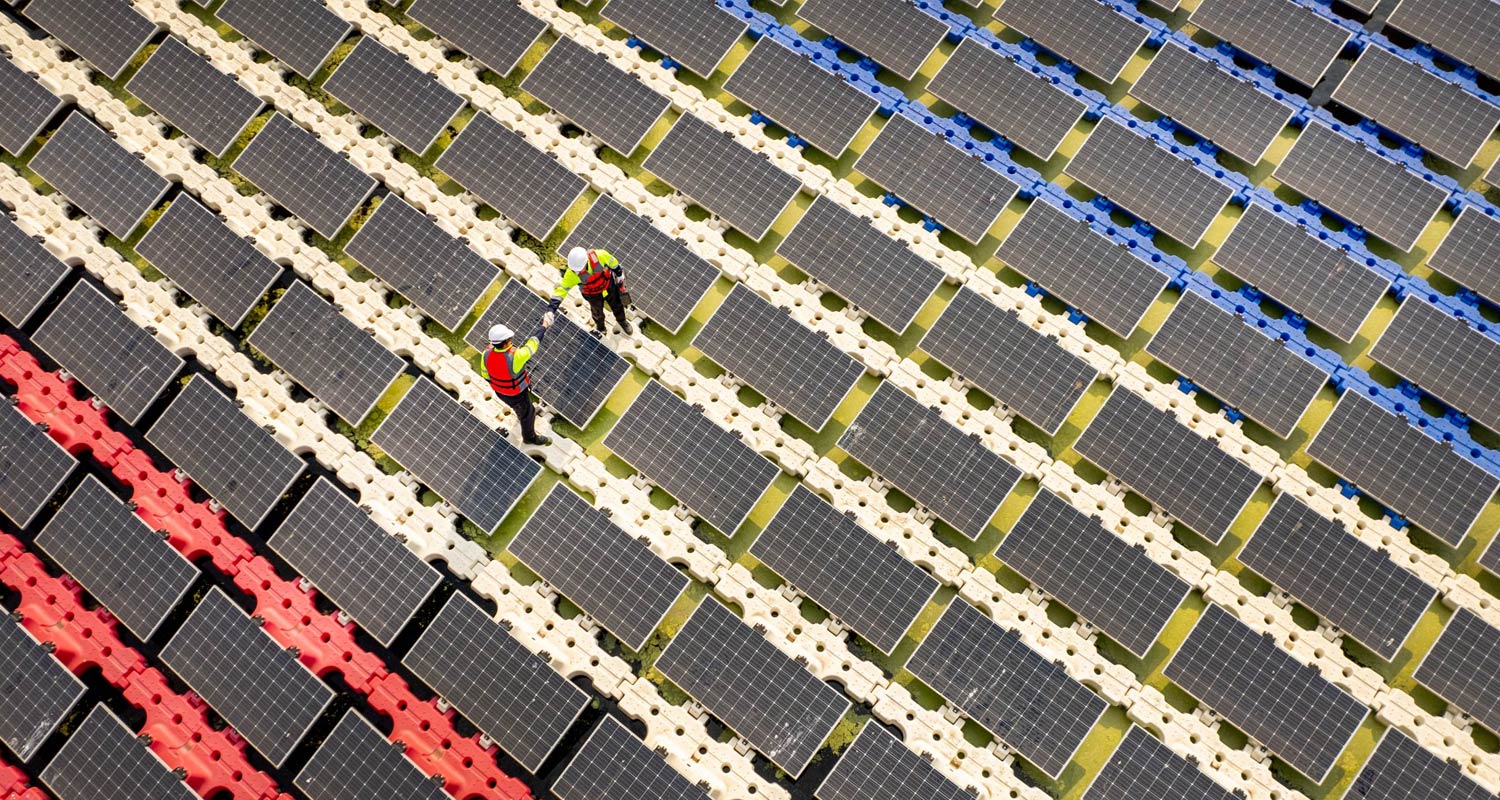
    solar

    Cruise, whose firm finances battery systems, said on-site batteries are one potential solution.

    “Behind-the-meter batteries improve the off-take profile of a data centre or business by allowing it to absorb more renewable electricity when it is available, increasing the amount of renewable electricity it can contract,” he said. They also cut consumption during expensive peak tariff periods and lower billed peak demand charges, which are based on a site’s highest power draw, measured in kilovolt-amperes.

    He was clear about the limits: “Batteries cannot recover electricity curtailed at the generator, but they can improve the value of the available energy.”

    TechCentral has requested comment from NTCSA, which had not responded by the time of publication.  – © 2026 NewsCentral Media

    Add TechCentral as a preferred source on GoogleFollow TechCentral on Google NewsGet breaking news on WhatsApp


    Gav Hurford Jaltech Kgosientsho Ramokgopa Matthew Cruise Nersa NTCSA NTT Data Robert Marston Sapvia Simphiwe Khuluse South African Independent Power Producers Association
    WhatsApp YouTube
    Share. Facebook Twitter LinkedIn WhatsApp Telegram Email Copy Link
    Previous ArticleiOCO CEO Rhys Summerton’s naartjie theory of share buybacks
    Next Article OpenAI turns the tables on Apple in trade secrets fight

    Related Posts

    Former Dimension Data Group CEO Jason Goodall

    Jason Goodall in bombshell confession in Dimension Data Campus saga

    7 October 2026
    The giant batteries coming to South Africa's grid - Energy minister Kgosientsho Ramokgopa

    The giant batteries coming to South Africa’s grid

    7 October 2026
    The grid cannot wait - Eskom grid electricity, Busi Mavuso

    Nersa wants five-year ban on automated electricity trading

    6 October 2026
    Company News
    AI is only as good as your asset data

    AI is only as good as your asset data

    14 October 2026
    The sovereignty paradox: who really controls your data when the rand drops? Cloud on Demand / Microsoft

    The sovereignty paradox: who really controls your data when the rand drops?

    13 October 2026
    Paratus Namibia showcases connectivity solutions at ICT Summit 2026

    Paratus Namibia showcases connectivity solutions at ICT Summit 2026

    13 October 2026
    Opinion
    When a machine can choose, who does it become? Fanie van Rooyen

    When a machine can choose, who does it become?

    9 October 2026
    Let South Africans jailbreak their way to digital sovereignty - Dirk de Vos

    Let South Africans jailbreak their way to digital sovereignty

    5 October 2026
    South Africa's next energy crisis is in the accounts department - Craig Holmes

    South Africa’s next energy crisis is in the accounts department

    29 September 2026

    Subscribe to Updates

    Get the best South African technology news and analysis delivered to your e-mail inbox every morning.

    Latest Posts
    OpenAI turns the tables on Apple in trade secrets fight

    OpenAI turns the tables on Apple in trade secrets fight

    15 October 2026
    South Africa's midday power glut is a hidden risk for wheeling deals

    South Africa’s midday power glut is a hidden risk for wheeling deals

    15 October 2026
    iOCO CEO Rhys Summerton's naartjie theory of share buybacks

    iOCO CEO Rhys Summerton’s naartjie theory of share buybacks

    14 October 2026
    Ampath finds no evidence that test results were taken in breach

    Ampath finds no evidence that test results were taken in breach

    14 October 2026
    © 2009 - 2026 NewsCentral Media
    Built and maintained by Chronon
    • Cookie policy (ZA)
    • TechCentral – privacy and Popia

    Type above and press Enter to search. Press Esc to cancel.

    Manage consent

    TechCentral uses cookies to enhance its offerings. Consenting to these technologies allows us to serve you better. Not consenting or withdrawing consent may adversely affect certain features and functions of the website.

    Functional Always active
    The technical storage or access is strictly necessary for the legitimate purpose of enabling the use of a specific service explicitly requested by the subscriber or user, or for the sole purpose of carrying out the transmission of a communication over an electronic communications network.
    Preferences
    The technical storage or access is necessary for the legitimate purpose of storing preferences that are not requested by the subscriber or user.
    Statistics
    The technical storage or access that is used exclusively for statistical purposes. The technical storage or access that is used exclusively for anonymous statistical purposes. Without a subpoena, voluntary compliance on the part of your Internet Service Provider, or additional records from a third party, information stored or retrieved for this purpose alone cannot usually be used to identify you.
    Marketing
    The technical storage or access is required to create user profiles to send advertising, or to track the user on a website or across several websites for similar marketing purposes.
    • Manage options
    • Manage services
    • Manage {vendor_count} vendors
    • Read more about these purposes
    View preferences
    • {title}
    • {title}
    • {title}
    🇿🇦 Sign up to the TechCentral newsletter