The Organisation Undoing Tax Abuse (Outa) has urged South African households with rooftop solar installations not to rush into registering their systems with Eskom or local municipalities, warning that the current regulatory environment is confused, inconsistent and potentially unlawful.
The warning follows a wave of threatening communications from Eskom and several municipalities, including the City of Johannesburg, demanding that residential customers register or seek prior approval for small-scale embedded generation (SSEG) systems – including rooftop solar PV installations – or face fines and possible disconnection.
Outa argues that these threats are “impractical, irrational and unfair”, particularly where systems are installed behind the meter, do not export electricity into the grid and comply with existing electrical safety regulations.
“What is at stake here are the rights of citizens who have gone to significant personal expense to protect themselves against years of escalating electricity prices and an unreliable power supply,” said Outa CEO Wayne Duvenage in a statement on Tuesday. “People installed solar systems, inverters and generators in direct response to Eskom and government’s calls to reduce electricity demand and relieve pressure on the grid.”
South Africa’s regulatory framework for small-scale embedded generation has evolved rapidly in recent years as rooftop solar adoption has surged in response to load shedding and rising electricity tariffs. While large embedded generation projects must be licensed or registered with energy regulator Nersa, rules governing residential systems below this threshold remain fragmented.
Municipalities typically require SSEG registration to ensure grid safety and network planning, while Eskom has insisted that customers connected directly to its network must declare any embedded generation capacity.
Uncertainty
However, the specific requirements, deadlines and enforcement mechanisms have shifted repeatedly, creating uncertainty for homeowners, installers, financiers and insurers.
Outa said it has received a surge in inquiries from consumers concerned about conflicting instructions, changing deadlines and unclear approval processes. This, it warned, is already delaying installations and discouraging investment in household solar.
The organisation cautioned banks and insurers against refusing to fund or insure residential systems amid regulatory uncertainty, arguing that this unfairly penalises consumers who have invested in safe, compliant installations.
Read: Rooftop solar surges 400% while utility-scale projects stall
A central plank of Outa’s argument is that electrical safety is already comprehensively regulated under national legislation, making additional municipal enforcement redundant for behind-the-meter installations.
Under the Occupational Health & Safety Act, the electrical installation regulations and the SANS 10142-1 wiring code, all residential electrical installations – including solar PV systems – must be issued with a valid certificate of compliance by a registered and qualified electrician before commissioning.
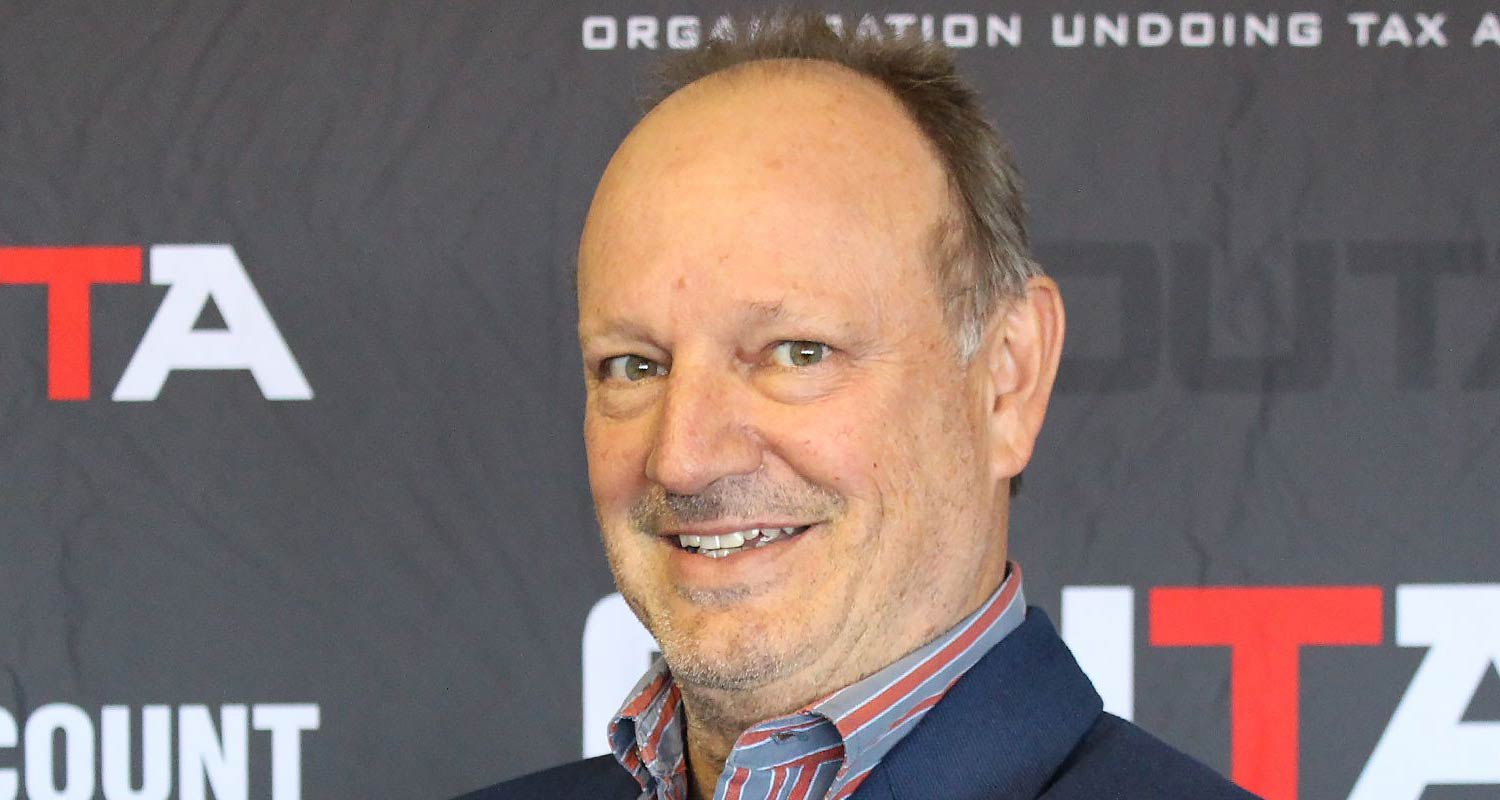
“If your solar installation has a valid CoC, which addresses the safety concerns often cited by Eskom and municipalities, you are already doing what is required of you,” Duvenage said.
Outa maintained that what homeowners do behind their electricity meter, to reduce reliance on an unreliable and expensive power supply, should not concern utilities – provided installations are safe and customers continue paying for grid-supplied electricity in line with their contracts.
Eskom and municipalities argue that unregistered solar installations pose technical risks, including voltage fluctuations, reverse power flows, safety hazards during maintenance and inaccurate billing.
Municipalities also rely heavily on electricity sales to fund other services, and widespread grid defection through solar adoption threatens these revenue streams.
However, critics argue that administrative capacity has not kept pace with solar adoption and that utilities are resorting to coercive tactics rather than developing efficient, scalable registration systems.
Outa likened the current approach to the early handling of the e-toll system, where enforcement threats and complex administrative processes triggered public resistance and legal challenges.
It said it’s consulting legal counsel on whether Eskom and municipal demands exceed their statutory authority, particularly where systems do not feed electricity back into the grid.
Softening
The organisation said it has noted a recent softening in Eskom’s public stance, with media reports suggesting the utility will not impose fines or disconnections for now. This, Outa argued, reflects growing awareness of the legal and practical obstacles involved.
Read: One of South Africa’s largest private industrial solar projects takes shape
For now, Outa said homeowners should ensure their installations are fully compliant with national electrical safety standards, retain proof of certification and avoid rushing into registration processes until regulatory clarity improves. – © 2026 NewsCentral Media
Get breaking news from TechCentral on WhatsApp. Sign up here.