


In a move that is unlikely to be well received by investors, EOH Holdings said on Wednesday that it will delay publication of its interim financial results by three weeks.
In a move that is unlikely to be well received by investors, EOH Holdings said on Wednesday that it will delay publication of its interim financial results by three weeks.

Communications minister Stella Ndabeni-Abrahams has removed Rubben Mohlaloga, chairman and councillor of communications regulator Icasa, from office.

In times of crisis – especially with questionable crisis communication from government and Eskom over the past week – humans tend to create their own “reality”, whether grounded in fact or not.

Google has been issued a €1.5-billion fine by the European Commission for alleged illegal practices in search advertising.

Google is to begin asking Android users in Europe about their preferred search engine and Web browser apps after being accused of abusing its position by the EU competition authorities.
South Africans face another day of traffic snarl-ups and disrupted business with no end in sight for rolling power cuts that started a week ago.

Chinese electronics giant Huawei said on Wednesday that it will launch its super-pricey new foldable phone, the Mate X, in South Africa towards to the middle of the year.
Damage caused by Cyclone Idai to pylons in Mozambique that carry power to neighbouring countries may take weeks to repair, a state power company official said.

A quarter of Europeans would prefer artificial intelligence to make important political decisions around the running of their country, new research claims.
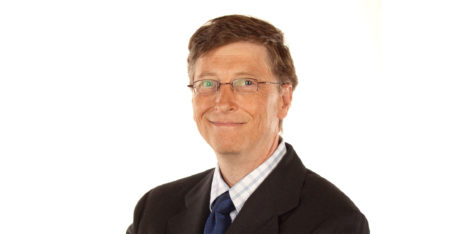
Bloomberg tracks the fortunes of some 2 800 billionaires. Of those, 145 are worth at least $10-billion, making them decabillionaires. Now, the world contains two centibillionaires simultaneously.