Close Menu
TechCentralTechCentral

    Subscribe to the newsletter

    Get the best South African technology news and analysis delivered to your e-mail inbox every morning.

    Facebook X (Twitter) YouTube LinkedIn
    WhatsApp Facebook X (Twitter) LinkedIn YouTube
    TechCentralTechCentral
    • News
      South Africa's new fibre broadband battle

      South Africa’s new fibre broadband battle

      20 January 2026
      South Africa needs a national 'quantum defence strategy'

      South Africa needs a national ‘quantum defence strategy’

      20 January 2026
      Chinese brands tighten grip on South Africa's used car market

      Chinese brands tighten grip on South Africa’s used car market

      20 January 2026
      Severe geomagnetic storm hits Earth, Sansa confirms

      Severe geomagnetic storm hits Earth, Sansa confirms

      20 January 2026
      Icasa to target Sentech with tougher broadcast pricing rules

      Icasa to target Sentech with tougher broadcast pricing rules

      19 January 2026
    • World
      Taiwan, US strike strategic AI and chip supply-chain pact - TSMC

      Taiwan, US strike strategic AI and chip supply-chain pact

      20 January 2026
      Oracle sued as bondholders allege AI debt plans were hidden - Larry Ellison

      Oracle sued as bondholders allege AI debt plans were hidden

      15 January 2026
      Activists call for X, Grok to removed from app stores - Elon Musk

      Activists call for X, Grok to removed from app stores

      14 January 2026
      Uganda shuts down internet ahead of pivotal election

      Uganda shuts down internet ahead of pivotal election

      14 January 2026
      Taiwan seeks arrest of OnePlus CEO - Pete Lau

      Taiwan seeks arrest of OnePlus CEO

      14 January 2026
    • In-depth
      Digital authoritarianism grows as African states normalise internet blackouts

      Digital authoritarianism grows as African states normalise internet blackouts

      19 December 2025
      TechCentral's South African Newsmakers of 2025

      TechCentral’s South African Newsmakers of 2025

      18 December 2025
      Black Friday goes digital in South Africa as online spending surges to record high

      Black Friday goes digital in South Africa as online spending surges to record high

      4 December 2025
      DStv dodges channel blackout in last-minute deal with Warner Bros

      Canal+ plays hardball – and DStv viewers feel the pain

      3 December 2025
      Jensen Huang Nvidia

      So, will China really win the AI race?

      14 November 2025
    • TCS

      TCS+ | Why cybersecurity is becoming a competitive advantage for SA businesses

      20 January 2026
      TCS+ | Africa's digital transformation - unlocking AI through cloud and culture - Cliff de Wit Accelera Digital Group

      TCS+ | Cloud without culture won’t deliver AI: Accelera’s Cliff de Wit

      12 December 2025
      TCS+ | How Cloud on Demand helps partners thrive in the AWS ecosystem - Odwa Ndyaluvane and Xenia Rhode

      TCS+ | How Cloud On Demand helps partners thrive in the AWS ecosystem

      4 December 2025
      TCS | MTN Group CEO Ralph Mupita on competition, AI and the future of mobile

      TCS | Ralph Mupita on competition, AI and the future of mobile

      28 November 2025
      TCS | Dominic Cull on fixing South Africa's ICT policy bottlenecks

      TCS | Dominic Cull on fixing South Africa’s ICT policy bottlenecks

      21 November 2025
    • Opinion
      AI moves from pilots to production in South African companies - Nazia Pillay SAP

      AI moves from pilots to production in South African companies

      20 January 2026
      ANC's attack on Solly Malatsi shows how BEE dogma trumps economic reality - Duncan McLeod

      ANC’s attack on Solly Malatsi shows how BEE dogma trumps economic reality

      14 December 2025
      Netflix, Warner Bros deal raises fresh headaches for MultiChoice - Duncan McLeod

      Netflix, Warner Bros deal raises fresh headaches for MultiChoice

      5 December 2025
      BIN scans, DDoS and the next cybercrime wave hitting South Africa's banks - Entersekt Gerhard Oosthuizen

      BIN scans, DDoS and the next cybercrime wave hitting South Africa’s banks

      3 December 2025
      ANC's attack on Solly Malatsi shows how BEE dogma trumps economic reality - Duncan McLeod

      Your data, your hardware: the DIY AI revolution is coming

      20 November 2025
    • Company Hubs
      • Africa Data Centres
      • AfriGIS
      • Altron Digital Business
      • Altron Document Solutions
      • Altron Group
      • Arctic Wolf
      • AvertITD
      • Braintree
      • CallMiner
      • CambriLearn
      • CYBER1 Solutions
      • Digicloud Africa
      • Digimune
      • Domains.co.za
      • ESET
      • Euphoria Telecom
      • Incredible Business
      • iONLINE
      • IQbusiness
      • Iris Network Systems
      • LSD Open
      • NEC XON
      • Netstar
      • Network Platforms
      • Next DLP
      • Ovations
      • Paracon
      • Paratus
      • Q-KON
      • SevenC
      • SkyWire
      • Solid8 Technologies
      • Telit Cinterion
      • Tenable
      • Vertiv
      • Videri Digital
      • Vodacom Business
      • Wipro
      • Workday
      • XLink
    • Sections
      • AI and machine learning
      • Banking
      • Broadcasting and Media
      • Cloud services
      • Contact centres and CX
      • Cryptocurrencies
      • Education and skills
      • Electronics and hardware
      • Energy and sustainability
      • Enterprise software
      • Financial services
      • Information security
      • Internet and connectivity
      • Internet of Things
      • Investment
      • IT services
      • Lifestyle
      • Motoring
      • Public sector
      • Retail and e-commerce
      • Satellite communications
      • Science
      • SMEs and start-ups
      • Social media
      • Talent and leadership
      • Telecoms
    • Events
    • Advertise
    TechCentralTechCentral
    Home » In-depth » SA’s shameful vote against Internet freedom

    SA’s shameful vote against Internet freedom

    By The Conversation15 July 2016
    Twitter LinkedIn Facebook WhatsApp Email Telegram Copy Link
    News Alerts
    WhatsApp

    south-africa-640

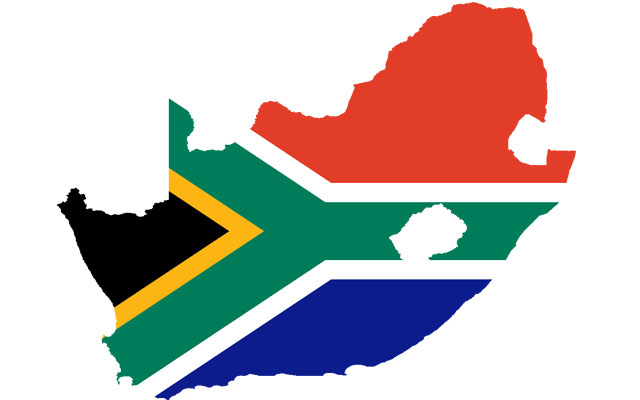
    South Africa has yet again sided with repressive regimes such as Russia, China and Saudi Arabia against progressive efforts by the United Nations. This is counter to the spirit of the country’s enlightened constitution.

    This month, the UN voted on a resolution for the “promotion, protection and enjoyment of human rights on the Internet”. This was in response to a UN Special Rapporteur report on the promotion of freedom of expression online.

    The rapporteur examined various threats to free expression online, including the use of technological surveillance and the excessive use of defamation laws.

    About 70 countries signed the resolution. They included Australia, Brazil, Haiti, Mexico, Nigeria, Sweden, Tunisia, Turkey and the US. South Africa was one of 15 states that voted against it. Others in this camp included Russia, China, India, Qatar, Saudi Arabia, Indonesia, Venezuela, Cuba and the United Arab Emirates.

    Since the advent of democracy in South Africa and the country’s adoption of a globally celebrated constitution, its votes on human rights have been of particular significance, especially in the developing world. That the government would vote against rights enshrined in its own constitution — rights that were strenuously fought for — reflects a troubling cynicism and indifference to its human rights commitments.

    The resolution is designed to safeguard access to the Internet as an important human right. It exhorts countries to provide and expand access to the Internet. It also urges them not to disable Internet access, even for political and security reasons.

    The report recognises the vital role the Internet plays in supporting the right to education. As such, it stresses the “need to address digital literacy and the digital divide” between and within countries. Specifically, it notes that enhancing access to the Internet for women and girls will help reduce gender disparities.

    The resolution encompassed several goals. These include:

    • Protecting the same rights online that people have offline, especially freedom of expression and privacy;
    • Recognising the Internet as “a driving force in accelerating progress”, including economic development;
    • Preventing government harassment, including torture and imprisonment, for those who post controversial political opinions online;
    • Requesting governments to investigate extrajudicial killings, attacks, intimidation, gender-based violence and other forms of abuse against those who post controversial material online;
    • Condemning government measures that intentionally prevent or disrupt access to, or dissemination of, information online; and
    • Requesting governments to address Internet security concerns in line with their international human rights obligations.

    South Africa’s objections

    South Africa’s reluctance to support the resolution was based on a few factors, including that:

    • South Africans are already guaranteed the right to freedom of opinion and expression in the constitution;
    • The exercise of this right is not absolute, specifically in a context in which South Africa is trying to overcome a flood of racist hate speech on the Internet; and
    • The resolution fails to adequately address acts of hatred on the Internet, including cyber bullying.

    There are, of course, legitimate reasons for limiting freedom of expression.
    These speak to South Africa’s traumatic history of apartheid and its legacies.

    In an attempt to address these problems, the country has, for example, passed legislation against hate speech. Its Promotion of Equality and Prevention of Discrimination Act specifically prohibits hate speech. Other laws with a bearing on free speech include those against child pornography or defamation.

    Such restrictions are not unusual. Even the US, the bastion of the right to freedom of expression, limits the right in the face of “fighting words” that may lead to violence.

    The question is whether there should be any limitations on the right to freedom of expression online. If so, what considerations ought to be employed?

    In other words, in balancing competing rights, which rights should prevail?

    Current events in South Africa highlight the difficulty of balancing the right of freedom of expression with other rights. Examples include the much publicised case of former KwaZulu-Natal realtor Penny Sparrow, who described black beach goers as monkeys on Facebook. Another involves Cape Town attorney Matthew Theunissen. He posted racist views in response to a decision by the sports minister to ban certain sports from hosting major events due to their lack of racial transformation.

    In such cases, there is a need to balance people’s rights to equality, dignity and not to be subjected to racist hate speech against other people’s right to freedom of expression. In racially bruised South Africa, the former rights outweigh the latter.

    Similarly, legitimate security concerns might pressure governments to curb certain kinds of Internet speech if they threaten public safety. And the rights of children and their need for protection provide legitimate reasons for outlawing child pornography.

    Where South Africa got it wrong

    South Africa erred in voting against the resolution because its concerns are actually addressed by the resolution.

    The resolution takes cognisance of Article 19 of the Universal Declaration of Human Rights and the International Covenant on Civil and Political Rights. These provide for the consideration of other rights in promoting the right to freedom of expression.

    Significantly, South Africa’s constitution provides that free speech is not protected when it advocates hatred based on race, ethnicity, gender and religion. These limitations adequately address the government’s fears in relation to the UN resolution.

    What is most disappointing about the South African response is the message it sends about its attitude to its human rights obligations. It also reflects negatively on the country’s standing as being committed to human rights.

    South Africans should be concerned with the illiberal positions the government has taken at the UN over the past few years. These include its recent abstention from voting on the appointment of a UN Rapporteur for the protection of sexual minorities. Such actions diminish the aspirations espoused in the country’s bill of rights. South Africans deserve better.The Conversation

    • Penelope Andrews is dean of law and professor, University of Cape Town
    • This article was originally published on The Conversation


    Penelope Andrews UN United Nations
    WhatsApp YouTube Follow on Google News Add as preferred source on Google
    Share. Facebook Twitter LinkedIn WhatsApp Telegram Email Copy Link
    Previous ArticleTech leaders: Trump a ‘disaster’ for innovation
    Next Article Meter taxi drivers up in arms over ‘illegal’ Uber

    Related Posts

    UN publishes Global Digital Compact

    United Nations publishes Global Digital Compact

    30 September 2024

    What it will take to bring the Guptas to justice

    22 June 2022

    South Africa must move fast on state capture prosecutions

    12 January 2022
    Company News
    How Norton is protecting digital lives in a hostile online world - Avert ITD Avert IT Distribution

    How Norton is protecting digital lives in a hostile online world

    20 January 2026
    Beyond the hype: trust is the first step to generative AI ROI

    Beyond the hype: trust is the first step to generative AI ROI

    19 January 2026
    New Planet Energy and Span Africa launch landmark solar project

    New Planet Energy and Span Africa launch landmark solar project

    19 January 2026
    Opinion
    AI moves from pilots to production in South African companies - Nazia Pillay SAP

    AI moves from pilots to production in South African companies

    20 January 2026
    ANC's attack on Solly Malatsi shows how BEE dogma trumps economic reality - Duncan McLeod

    ANC’s attack on Solly Malatsi shows how BEE dogma trumps economic reality

    14 December 2025
    Netflix, Warner Bros deal raises fresh headaches for MultiChoice - Duncan McLeod

    Netflix, Warner Bros deal raises fresh headaches for MultiChoice

    5 December 2025

    Subscribe to Updates

    Get the best South African technology news and analysis delivered to your e-mail inbox every morning.

    Latest Posts
    South Africa's new fibre broadband battle

    South Africa’s new fibre broadband battle

    20 January 2026
    South Africa needs a national 'quantum defence strategy'

    South Africa needs a national ‘quantum defence strategy’

    20 January 2026
    AI moves from pilots to production in South African companies - Nazia Pillay SAP

    AI moves from pilots to production in South African companies

    20 January 2026
    Taiwan, US strike strategic AI and chip supply-chain pact - TSMC

    Taiwan, US strike strategic AI and chip supply-chain pact

    20 January 2026
    © 2009 - 2026 NewsCentral Media
    • Cookie policy (ZA)
    • TechCentral – privacy and Popia

    Type above and press Enter to search. Press Esc to cancel.

    Manage consent

    TechCentral uses cookies to enhance its offerings. Consenting to these technologies allows us to serve you better. Not consenting or withdrawing consent may adversely affect certain features and functions of the website.

    Functional Always active
    The technical storage or access is strictly necessary for the legitimate purpose of enabling the use of a specific service explicitly requested by the subscriber or user, or for the sole purpose of carrying out the transmission of a communication over an electronic communications network.
    Preferences
    The technical storage or access is necessary for the legitimate purpose of storing preferences that are not requested by the subscriber or user.
    Statistics
    The technical storage or access that is used exclusively for statistical purposes. The technical storage or access that is used exclusively for anonymous statistical purposes. Without a subpoena, voluntary compliance on the part of your Internet Service Provider, or additional records from a third party, information stored or retrieved for this purpose alone cannot usually be used to identify you.
    Marketing
    The technical storage or access is required to create user profiles to send advertising, or to track the user on a website or across several websites for similar marketing purposes.
    • Manage options
    • Manage services
    • Manage {vendor_count} vendors
    • Read more about these purposes
    View preferences
    • {title}
    • {title}
    • {title}