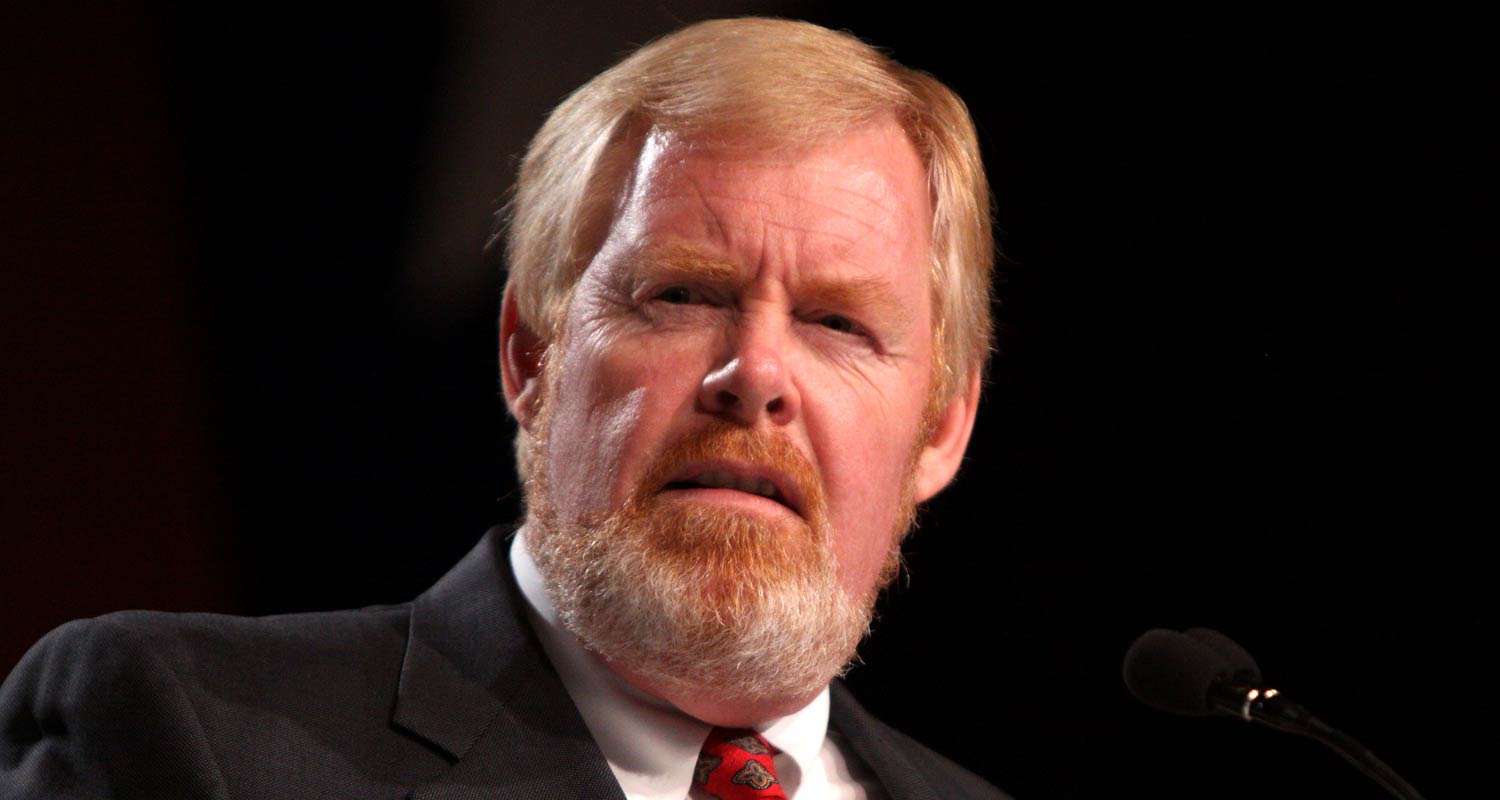
The US’s new ambassador to South Africa has pointed to the deep footprint of American technology companies in the local economy, signalling that Washington sees the country’s digital and innovation sectors as a central pillar of the bilateral relationship.
In his first major public address since arriving in Pretoria, ambassador Leo Brent Bozell III emphasised the scale of US investment in South Africa, noting that hundreds of American companies operate in the country and collectively employ hundreds of thousands of people.
Many of those companies are in the technology and digital services sectors, including global firms such as Microsoft, Amazon, Google and Visa, which have expanded their presence in South Africa as the country’s digital economy has grown.
Bozell, who was speaking at a BizNews conference in Hermanus in the Western Cape, said more than 500 American companies are invested in South Africa, employing around 250 000 people, underscoring the depth of economic ties between the two countries.
But the ambassador’s remarks also carried a broader diplomatic message: the extensive investment by American companies gives Washington a significant stake in South Africa’s economic trajectory – and, implicitly, its policy choices.
Bozell’s remarks come as Elon Musk’s satellite internet service Starlink continues to push back against South Africa’s black empowerment licensing rules.
Indeed, Starlink’s licensing has become one of the most contentious technology issues in the relationship between South Africa and the US. Operated by Musk’s SpaceX, Starlink provides broadband using thousands of low-Earth-orbit satellites and is already available in dozens of countries, including most of South Africa’s neighbours.
Big investments
However, the service is not yet licensed to operate locally, because it has not secured the required communications licences from the regulator, Icasa.
The dispute centres largely on South Africa’s telecoms ownership rules. To obtain a licence, operators must typically meet black empowerment requirements, including a 30% ownership stake by historically disadvantaged groups. Starlink has argued that its global corporate structure makes such ownership dilution difficult, and has instead proposed alternatives such as “equity equivalent” investment programmes. The issue has sparked political controversy, with Musk publicly criticising South Africa’s rules while government and regulators insist that all operators must comply with local law.
Read: Starlink expands public advocacy campaign as it pushes for SA licence
Starlink aside, US technology companies have steadily expanded their presence in South Africa since the end of apartheid in 1994.
Microsoft and Amazon Web Services have built large cloud infrastructure regions in the country, while other American firms have increased investments in fintech, digital platforms and enterprise software.
These investments have helped position South Africa as one of Africa’s most developed digital markets and a regional hub for cloud computing, fintech and start-up activity.
Watch Bozell’s address:
Bozell suggested that this ecosystem of American investment could grow further if relations between Washington and Pretoria strengthen and the business environment remains attractive to foreign investors.
However, the ambassador’s remarks also reflected rising tension in the broader relationship between the two countries.
Washington has become increasingly vocal about South Africa’s foreign policy positions and its ties with countries such as China, Russia and Iran.
Against that backdrop, the economic presence of American companies in South Africa – including major technology firms – is now becoming part of the wider diplomatic conversation.
By highlighting the scale of US investment, Bozell appeared to signal that the economic relationship carries strategic importance for both countries.
The implication is that South Africa’s policy decisions could influence the willingness of American businesses to expand their investments further.
Despite the geopolitical tensions, the ambassador struck a generally optimistic tone about the potential for deeper collaboration.
He said he looked forward to working with South African “leaders, innovators and communities” to strengthen economic ties and unlock new opportunities.
Digital economy
Technology and innovation could provide one of the most promising areas for cooperation, particularly as Africa’s digital economy continues to expand rapidly.
South Africa already hosts some of the continent’s largest technology investments, and further growth in sectors such as cloud computing, fintech and artificial intelligence could attract additional capital from US companies.
Read: US nominates Brent Bozell as ambassador to South Africa
The presence of hundreds of American firms across South Africa’s economy – including many in technology and digital services – highlights the extent to which the two countries remain economically intertwined. — (c) 2026 NewsCentral Media
Get breaking news from TechCentral on WhatsApp. Sign up here.