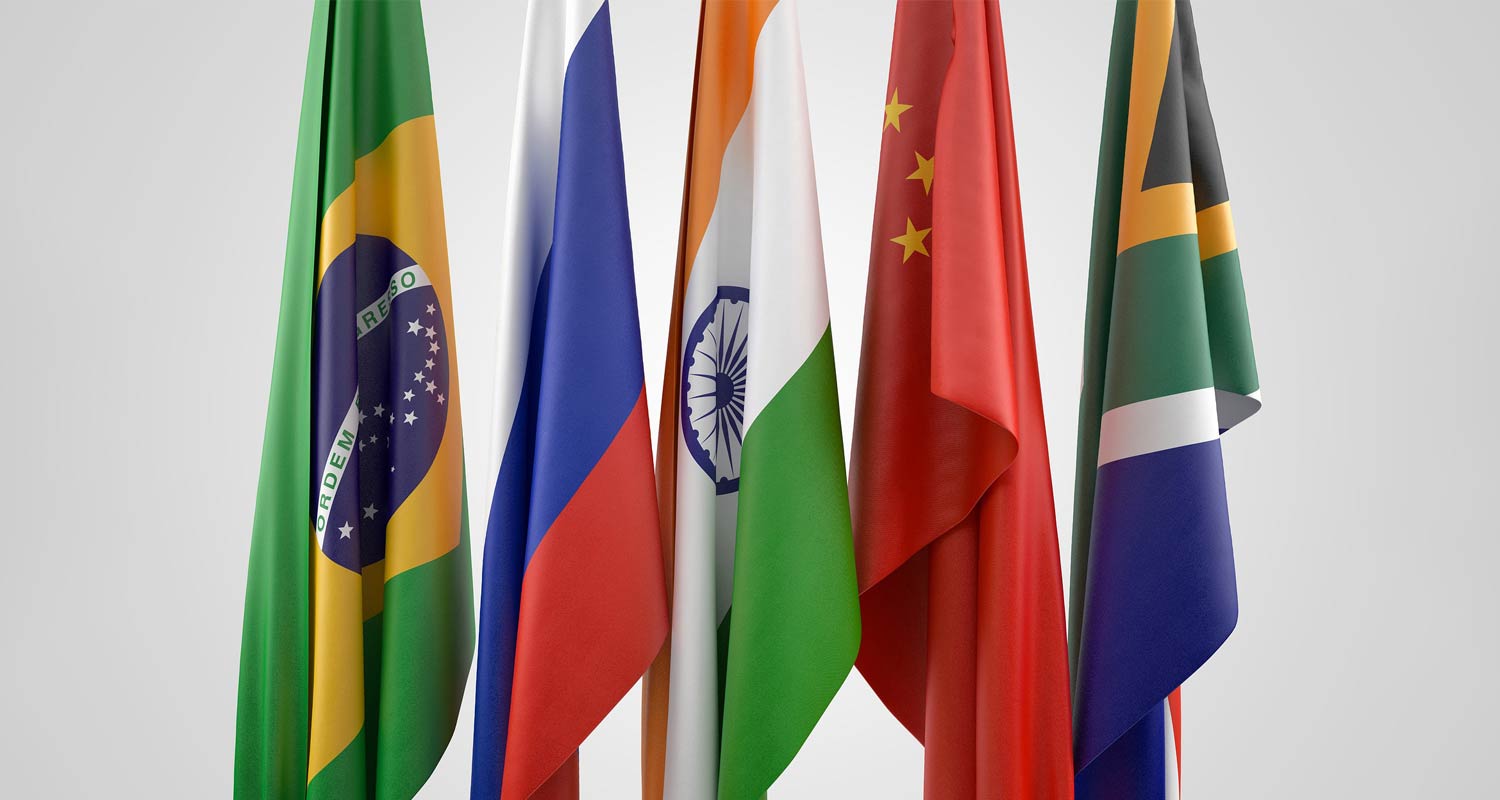
Members of the Brics group of nations, which includes South Africa, are discussing potential linkages between their respective fast payment systems and central bank digital currencies, Reserve Bank of India governor Sanjay Malhotra said at an event on Tuesday.
The Brics organisation includes Brazil, Russia, India, China and South Africa, among others. India is hosting the 2026 edition of the annual summit.
“Cross-border payments is an area of interest for all of us, including the Brics, because we feel there is a lot of scope for reducing cost,” Malhotra said in Mumbai. “Various options are on the table, but it is still at discussion stage, including CBDCs (central bank digital currencies) and linkages of fast payment systems,” he added.
The central bank will also continue its efforts to internationalise the rupee and promote the use of local currencies for cross-border payments and trade, Malhotra said. The governor also said that the RBI sees AI as a capability to be harnessed and not just a risk that needs to be contained.
“Indian banks cannot afford to sit on the sidelines and watch,” he said, urging lenders to inventory all AI models in use and establish board-approved AI governance policies.
Central banks globally have been paying close attention to lenders’ usage of AI amid worries over cyberattacks alongside operational and governance risks. “Innovation and safety are not opposing goals, they are in fact complementary requirements of a durable financial system,” Malhotra said.
South Africa’s position
Malhotra named two routes, and South Africa is considerably further along on one of them than the other.
On linking fast payment systems, the South African Reserve Bank is already doing the work – though through the Southern African Development Community (Sadc) rather than Brics.
BankservAfrica’s Transactions Cleared on an Immediate Basis platform has been clearing payments between South Africa and Zambia in 60 seconds since 2024, with further regional corridors following.
Read: Sarb weighs stablecoins and CBDCs as digital money gains global momentum
In July, the Angolan kwanza became only the second settlement currency admitted to the Sadc real-time gross settlement system since it launched in 2013, joining the rand.
Reserve Bank governor Lesetja Kganyago, who chairs the Sadc Committee of Central Bank Governors, described that that as a step towards the G20’s target of faster and cheaper cross-border payments by 2027.
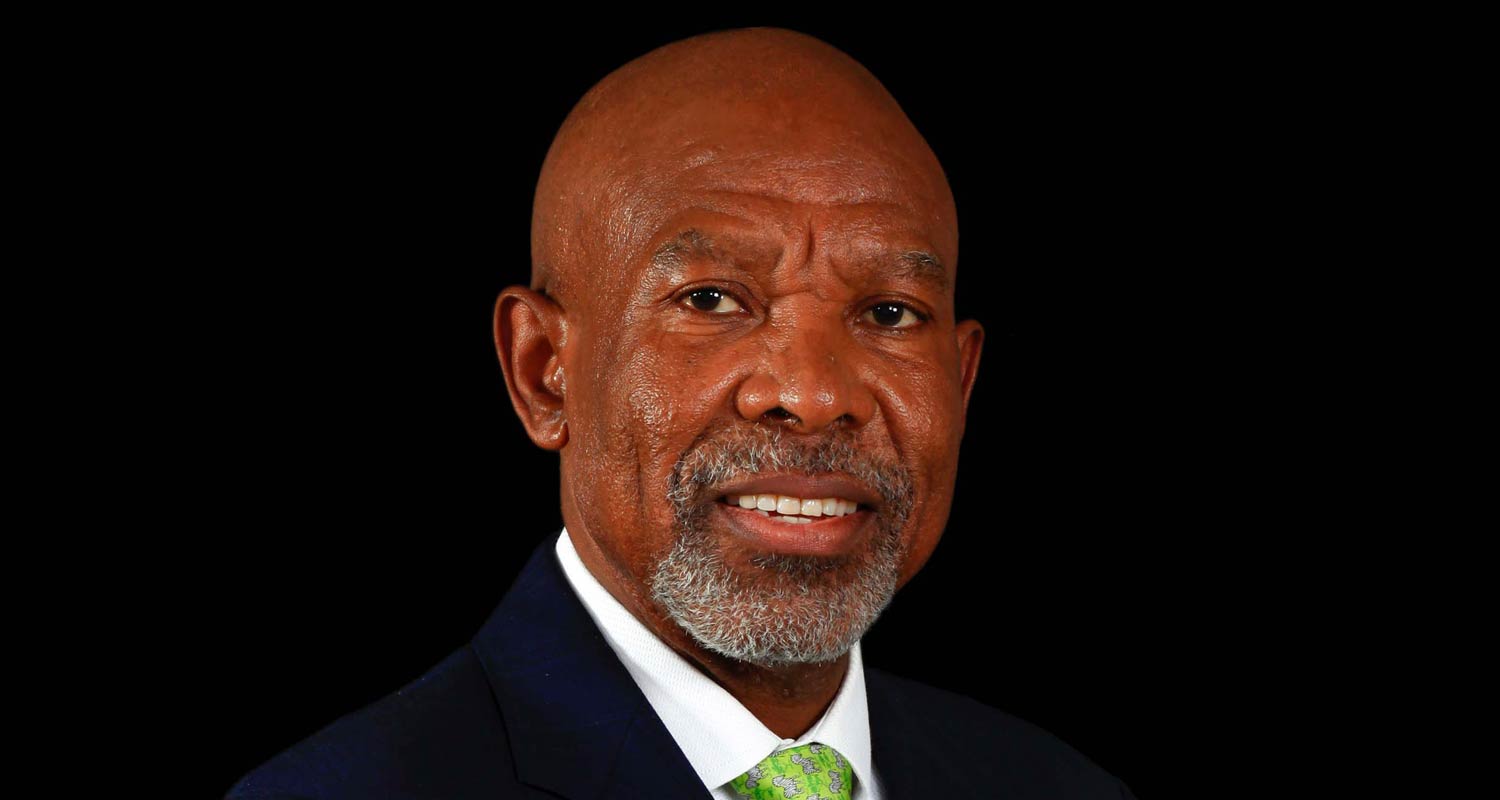
The preference is long-standing: asked in 2023 whether a common Brics currency was workable, Kganyago said what the Brics central banks had actually been working on was the interconnectedness and interoperability of their national payment systems, so that settlement across borders could be made easier – and that this would be more useful than a shared currency.
On the digital currency half of the proposition, the Reserve Bank has been more reserved. It told TechCentral last year that a rand-based CBDC could bring efficiency and cost benefits to the Sadc remittances market if it were designed with interoperability and regional collaboration in mind, but that it had not formed a formal position on cross-border use cases for a retail CBDC.
Read: How Brics hopes to shake up the world order
A wholesale CBDC arrangement between central banks for settlement is a different instrument from a retail digital rand in consumers’ hands, and the Reserve Bank’s caution on the second says little about its appetite for the first.
What Malhotra described is closer to the settlement layer – which is precisely the ground on which Pretoria has been most active, and least vocal about Brics. — Ashwin Manikandam, (c) 2026 Reuters, with additional reporting (c) 2026 NewsCentral Media
- Subscribe to TechCentral’s daily newsletter
- Get breaking news alerts on WhatsApp