

South Africa has no option but to increase financial support for Eskom even while pushing for reforms at the stricken state-owned power utility, according to national treasury director-general Dondo Mogajane.
South Africa has no option but to increase financial support for Eskom even while pushing for reforms at the stricken state-owned power utility, according to national treasury director-general Dondo Mogajane.
While President Cyril Ramaphosa says power utility Eskom is considered too big to fail, S&P Global Ratings has a different view: it could be too big to support.
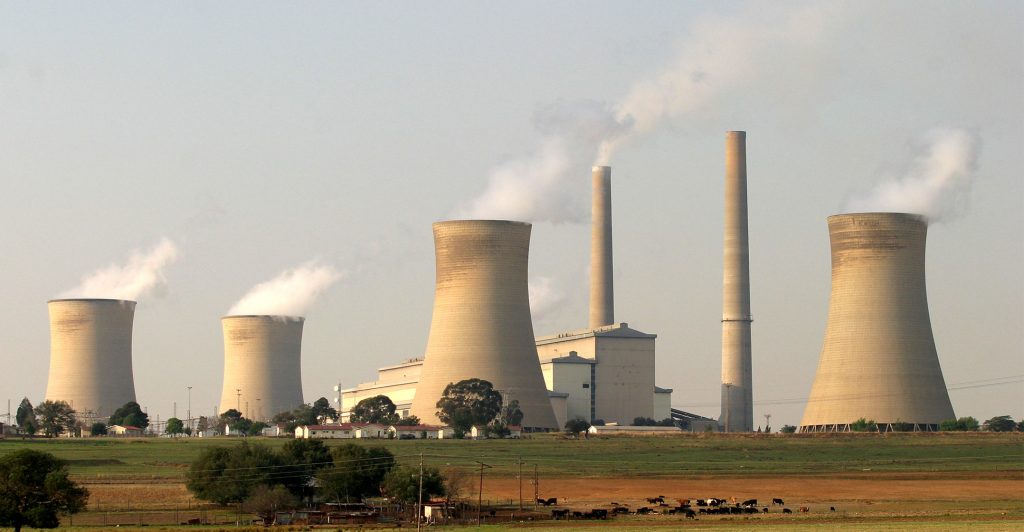
It isn’t difficult to find the main culprit behind South Africa’s biggest economic contraction in a decade: Eskom, the state-monopoly power provider.
The labour union whose members contribute most to the funds overseen by South Africa’s state pension manager wants the institution to stop investing in the debt of Eskom.
Eskom’s 96-year history is replete with former CEOs who rose from within the debt-laden state utility to run the company. There are few obvious choices for the next CEO to come from those same ranks.
The top job at one of South Africa’s biggest and most-troubled companies is open again for the 11th time in a decade and it’s unclear anyone is ready to fill it.
Phakamani Hadebe will step down as CEO of Eskom at the end of July, deepening a crisis that Goldman Sachs has described as the biggest threat to the country’s economy.
As speculation swirls about plans to deal with Eskom’s crippling debt load, one group of stakeholders hasn’t been consulted: owners of the company’s R243-billion of bonds.
Green buildings are increasingly in demand in the face of concerns around Eskom’s ability to supply power.
Eskom’s debt burden, described by Goldman Sachs Group as the biggest threat to the nation’s economy, has burgeoned, compounding the difficulty the government faces in formulating a turnaround plan.