
Close Menu
TechCentralTechCentral

    Subscribe to the newsletter

    Get the best South African technology news and analysis delivered to your e-mail inbox every morning.

    Facebook X (Twitter) YouTube LinkedIn
    WhatsApp Facebook X (Twitter) LinkedIn YouTube
    TechCentralTechCentral
    • News
      South Africa's new fibre broadband battle

      South Africa’s new fibre broadband battle

      20 January 2026
      South Africa needs a national 'quantum defence strategy'

      South Africa needs a national ‘quantum defence strategy’

      20 January 2026
      Chinese brands tighten grip on South Africa's used car market

      Chinese brands tighten grip on South Africa’s used car market

      20 January 2026
      Severe geomagnetic storm hits Earth, Sansa confirms

      Severe geomagnetic storm hits Earth, Sansa confirms

      20 January 2026
      Icasa to target Sentech with tougher broadcast pricing rules

      Icasa to target Sentech with tougher broadcast pricing rules

      19 January 2026
    • World
      Taiwan, US strike strategic AI and chip supply-chain pact - TSMC

      Taiwan, US strike strategic AI and chip supply-chain pact

      20 January 2026
      Oracle sued as bondholders allege AI debt plans were hidden - Larry Ellison

      Oracle sued as bondholders allege AI debt plans were hidden

      15 January 2026
      Activists call for X, Grok to removed from app stores - Elon Musk

      Activists call for X, Grok to removed from app stores

      14 January 2026
      Uganda shuts down internet ahead of pivotal election

      Uganda shuts down internet ahead of pivotal election

      14 January 2026
      Taiwan seeks arrest of OnePlus CEO - Pete Lau

      Taiwan seeks arrest of OnePlus CEO

      14 January 2026
    • In-depth
      Digital authoritarianism grows as African states normalise internet blackouts

      Digital authoritarianism grows as African states normalise internet blackouts

      19 December 2025
      TechCentral's South African Newsmakers of 2025

      TechCentral’s South African Newsmakers of 2025

      18 December 2025
      Black Friday goes digital in South Africa as online spending surges to record high

      Black Friday goes digital in South Africa as online spending surges to record high

      4 December 2025
      DStv dodges channel blackout in last-minute deal with Warner Bros

      Canal+ plays hardball – and DStv viewers feel the pain

      3 December 2025
      Jensen Huang Nvidia

      So, will China really win the AI race?

      14 November 2025
    • TCS

      TCS+ | Why cybersecurity is becoming a competitive advantage for SA businesses

      20 January 2026
      TCS+ | Africa's digital transformation - unlocking AI through cloud and culture - Cliff de Wit Accelera Digital Group

      TCS+ | Cloud without culture won’t deliver AI: Accelera’s Cliff de Wit

      12 December 2025
      TCS+ | How Cloud on Demand helps partners thrive in the AWS ecosystem - Odwa Ndyaluvane and Xenia Rhode

      TCS+ | How Cloud On Demand helps partners thrive in the AWS ecosystem

      4 December 2025
      TCS | MTN Group CEO Ralph Mupita on competition, AI and the future of mobile

      TCS | Ralph Mupita on competition, AI and the future of mobile

      28 November 2025
      TCS | Dominic Cull on fixing South Africa's ICT policy bottlenecks

      TCS | Dominic Cull on fixing South Africa’s ICT policy bottlenecks

      21 November 2025
    • Opinion
      AI moves from pilots to production in South African companies - Nazia Pillay SAP

      AI moves from pilots to production in South African companies

      20 January 2026
      ANC's attack on Solly Malatsi shows how BEE dogma trumps economic reality - Duncan McLeod

      ANC’s attack on Solly Malatsi shows how BEE dogma trumps economic reality

      14 December 2025
      Netflix, Warner Bros deal raises fresh headaches for MultiChoice - Duncan McLeod

      Netflix, Warner Bros deal raises fresh headaches for MultiChoice

      5 December 2025
      BIN scans, DDoS and the next cybercrime wave hitting South Africa's banks - Entersekt Gerhard Oosthuizen

      BIN scans, DDoS and the next cybercrime wave hitting South Africa’s banks

      3 December 2025
      ANC's attack on Solly Malatsi shows how BEE dogma trumps economic reality - Duncan McLeod

      Your data, your hardware: the DIY AI revolution is coming

      20 November 2025
    • Company Hubs
      • Africa Data Centres
      • AfriGIS
      • Altron Digital Business
      • Altron Document Solutions
      • Altron Group
      • Arctic Wolf
      • AvertITD
      • Braintree
      • CallMiner
      • CambriLearn
      • CYBER1 Solutions
      • Digicloud Africa
      • Digimune
      • Domains.co.za
      • ESET
      • Euphoria Telecom
      • Incredible Business
      • iONLINE
      • IQbusiness
      • Iris Network Systems
      • LSD Open
      • NEC XON
      • Netstar
      • Network Platforms
      • Next DLP
      • Ovations
      • Paracon
      • Paratus
      • Q-KON
      • SevenC
      • SkyWire
      • Solid8 Technologies
      • Telit Cinterion
      • Tenable
      • Vertiv
      • Videri Digital
      • Vodacom Business
      • Wipro
      • Workday
      • XLink
    • Sections
      • AI and machine learning
      • Banking
      • Broadcasting and Media
      • Cloud services
      • Contact centres and CX
      • Cryptocurrencies
      • Education and skills
      • Electronics and hardware
      • Energy and sustainability
      • Enterprise software
      • Financial services
      • Information security
      • Internet and connectivity
      • Internet of Things
      • Investment
      • IT services
      • Lifestyle
      • Motoring
      • Public sector
      • Retail and e-commerce
      • Satellite communications
      • Science
      • SMEs and start-ups
      • Social media
      • Talent and leadership
      • Telecoms
    • Events
    • Advertise
    TechCentralTechCentral
    Home » Sections » Cryptocurrencies » Facebook could do to banks what it did to newspapers

    Facebook could do to banks what it did to newspapers

    By Agency Staff24 October 2019
    Twitter LinkedIn Facebook WhatsApp Email Telegram Copy Link
    News Alerts
    WhatsApp

    On Wednesday, Mark Zuckerberg, Facebook’s CEO, testified about his company’s cryptocurrency project at a hearing held by the US house financial services committee. In his testimony, Zuckerberg tried to reassure congress that Facebook’s libra cryptocurrency would square the circle between financial inclusion and regulatory adherence, consumer privacy and proactive fraud detection. The one thing he didn’t manage to address is whether the world really wants a crypto offering from the social media giant.

    Cryptocurrency has acquired an unseemly status where any use is automatically assumed to have nefarious ends. It doesn’t help that the most prominent example, bitcoin, has been implicated in some horrific criminal conduct. At the same time, a lack of mainstream adoption gives cryptocurrency few redeeming advocates. No surprise, then, that regulators regard Facebook’s proposal with suspicion.

    It’s not that legitimate businesses don’t want crypto; it’s that their customers don’t want to use it for payment. When buying stuff on the Internet, consumers will choose the payment method that imposes the lowest transaction cost on themselves — that’s generally the credit-card option, which allows deferred payment as well as the accrual of miles or points. An online business that refuses to accept credit cards will always lose out to a competitor that does.

    Facebook enjoys quasi-monopoly status when it comes to consumer attention, controlling the reach and distribution of content across its network of users

    But what if you don’t have any competitors? Facebook enjoys quasi-monopoly status when it comes to consumer attention, controlling the reach and distribution of content across its network of users.

    As the driver of over a quarter of Web traffic, Facebook has a lot of influence over who sees what on the Internet. And with over 2.3 billion monthly active users around the world, it’s not a stretch to imagine that the company could have similar influence over who pays whom, and how.

    Mark Zuckerberg’s congressional testimony makes it clear that he takes inspiration from China, where WeChat serves as a one-stop portal to the greater Internet. There, users conduct their banking, shopping and bill payments without ever leaving the app. The ability to control users’ economic interactions comes with the privilege of deciding the medium of exchange. If it follows suit, Facebook may end up looking like another familiar monopolist — our own government, which creates the national currency we use to pay our taxes.

    Viewed as a threat

    It’s no wonder regulators and central banks view the libra project as a threat to the international monetary system. In a recent report, the G7 Working Group warns that global cryptocurrencies could undermine cross-jurisdictional efforts to combat illicit finance. All international transactions using US dollars currently clear through the New York Federal Reserve, where they can be monitored and stopped if deemed unsavoury. Previously, members of the senate banking committee have expressed concern over Facebook’s ability to handle economic sanctions on foreign regimes.

    Zuckerberg has promised that Calibra, Facebook’s payment app, will include robust compliance systems to fulfil regulatory obligations. However, the greater risk is that Calibra will go above and beyond its regulatory duty. Facebook already employs a more restrictive speech code than legally required — the platform blocks various forms of hate speech, harassment, misinformation and inauthentic behaviour. Publishers must accept Facebook’s opaque terms of service or risk not being seen at all. It’s one thing to deny politically incorrect figures the ability to share inflammatory content; it’s another thing to leave them economically isolated.
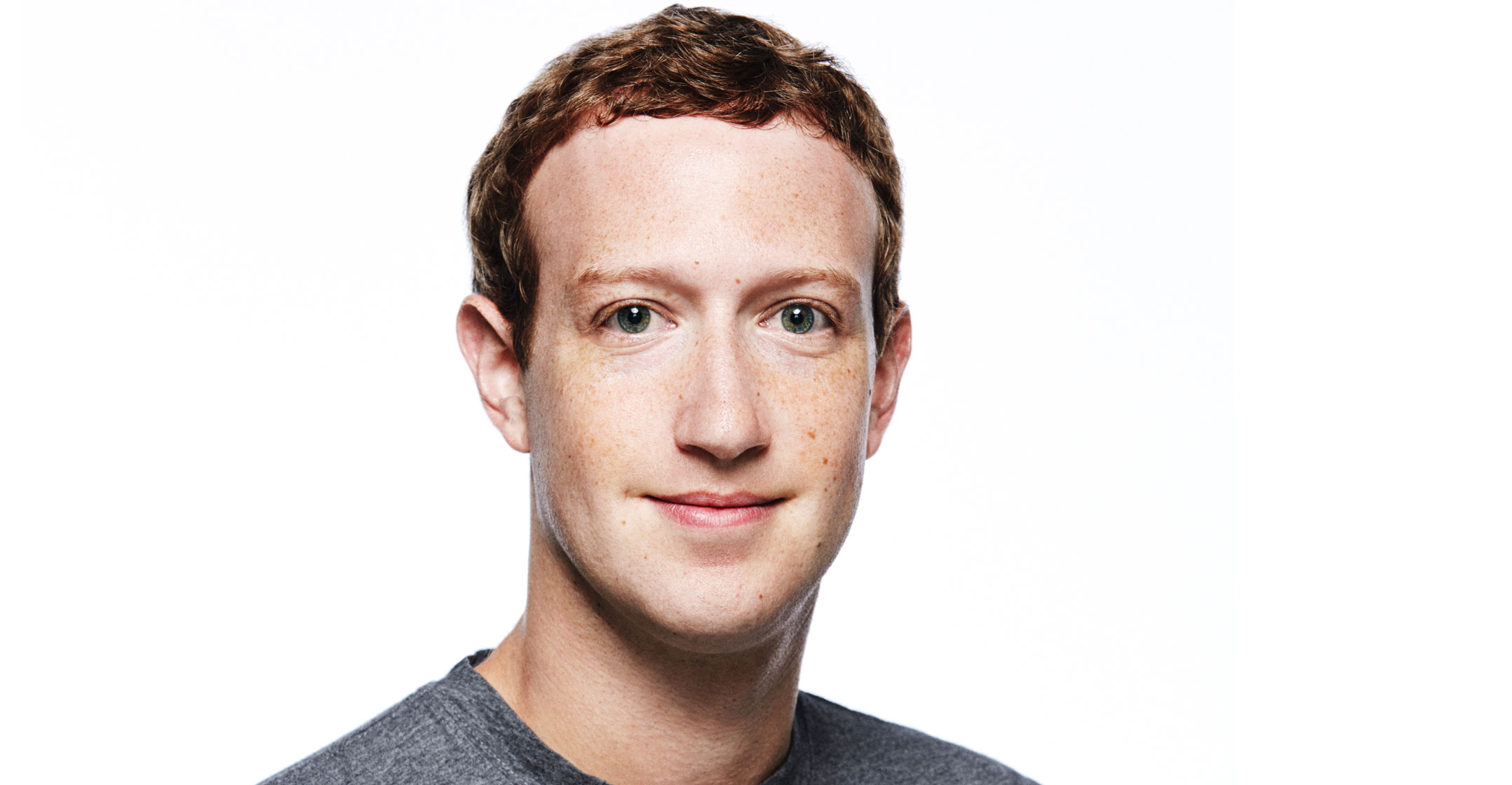
    Facebook CEO Mark Zuckerberg

    In a competitive market, those who disagree with Facebook’s terms could simply take their business elsewhere. The Libra Association currently includes 21 member companies, after some early members dropped out. If Facebook mimics WeChat in establishing itself as a go-to payment portal, those former members may have no choice but to return to the cartel.

    Global regulators are so worried about preserving their own monopoly status that they’ve forgotten that monopolies have victims. Just look at what Facebook did to publishers. When Facebook emerged as the arbiter of eyeballs, publishers lost control of their audiences and ad revenue, and consumers ended up with a barrage of clickbait. If Facebook disintermediates the banking system, it could take control of the economic relationship between businesses and their customers, with greater restrictions on financial transactions than ever before. It’s almost enough to make you wish for a decentralised currency.  — By Elaine Ou, (c) 2019 Bloomberg LP



    Facebook Libra Association Mark Zuckerberg top WeChat
    WhatsApp YouTube Follow on Google News Add as preferred source on Google
    Share. Facebook Twitter LinkedIn WhatsApp Telegram Email Copy Link
    Previous ArticleInterview: Axiz executive Traci Maynard on ethical leadership
    Next Article New CEO for Vodacom’s Safaricom unit

    Related Posts

    Australia has banned kids from social media. Should South Africa follow suit?

    Australia has banned kids from social media. Should South Africa follow suit?

    11 December 2025
    Australia fires starting gun on global social media reform

    Australia fires starting gun on global social media reform

    10 December 2025
    Why smart glasses keep failing - no, it's not the tech - Mark Zuckerberg

    Why smart glasses keep failing – it’s not the tech

    19 October 2025
    Company News
    How Norton is protecting digital lives in a hostile online world - Avert ITD Avert IT Distribution

    How Norton is protecting digital lives in a hostile online world

    20 January 2026
    Beyond the hype: trust is the first step to generative AI ROI

    Beyond the hype: trust is the first step to generative AI ROI

    19 January 2026
    New Planet Energy and Span Africa launch landmark solar project

    New Planet Energy and Span Africa launch landmark solar project

    19 January 2026
    Opinion
    AI moves from pilots to production in South African companies - Nazia Pillay SAP

    AI moves from pilots to production in South African companies

    20 January 2026
    ANC's attack on Solly Malatsi shows how BEE dogma trumps economic reality - Duncan McLeod

    ANC’s attack on Solly Malatsi shows how BEE dogma trumps economic reality

    14 December 2025
    Netflix, Warner Bros deal raises fresh headaches for MultiChoice - Duncan McLeod

    Netflix, Warner Bros deal raises fresh headaches for MultiChoice

    5 December 2025

    Subscribe to Updates

    Get the best South African technology news and analysis delivered to your e-mail inbox every morning.

    Latest Posts
    South Africa's new fibre broadband battle

    South Africa’s new fibre broadband battle

    20 January 2026
    South Africa needs a national 'quantum defence strategy'

    South Africa needs a national ‘quantum defence strategy’

    20 January 2026
    AI moves from pilots to production in South African companies - Nazia Pillay SAP

    AI moves from pilots to production in South African companies

    20 January 2026
    Taiwan, US strike strategic AI and chip supply-chain pact - TSMC

    Taiwan, US strike strategic AI and chip supply-chain pact

    20 January 2026
    © 2009 - 2026 NewsCentral Media
    • Cookie policy (ZA)
    • TechCentral – privacy and Popia

    Type above and press Enter to search. Press Esc to cancel.

    Manage consent

    TechCentral uses cookies to enhance its offerings. Consenting to these technologies allows us to serve you better. Not consenting or withdrawing consent may adversely affect certain features and functions of the website.

    Functional Always active
    The technical storage or access is strictly necessary for the legitimate purpose of enabling the use of a specific service explicitly requested by the subscriber or user, or for the sole purpose of carrying out the transmission of a communication over an electronic communications network.
    Preferences
    The technical storage or access is necessary for the legitimate purpose of storing preferences that are not requested by the subscriber or user.
    Statistics
    The technical storage or access that is used exclusively for statistical purposes. The technical storage or access that is used exclusively for anonymous statistical purposes. Without a subpoena, voluntary compliance on the part of your Internet Service Provider, or additional records from a third party, information stored or retrieved for this purpose alone cannot usually be used to identify you.
    Marketing
    The technical storage or access is required to create user profiles to send advertising, or to track the user on a website or across several websites for similar marketing purposes.
    • Manage options
    • Manage services
    • Manage {vendor_count} vendors
    • Read more about these purposes
    View preferences
    • {title}
    • {title}
    • {title}