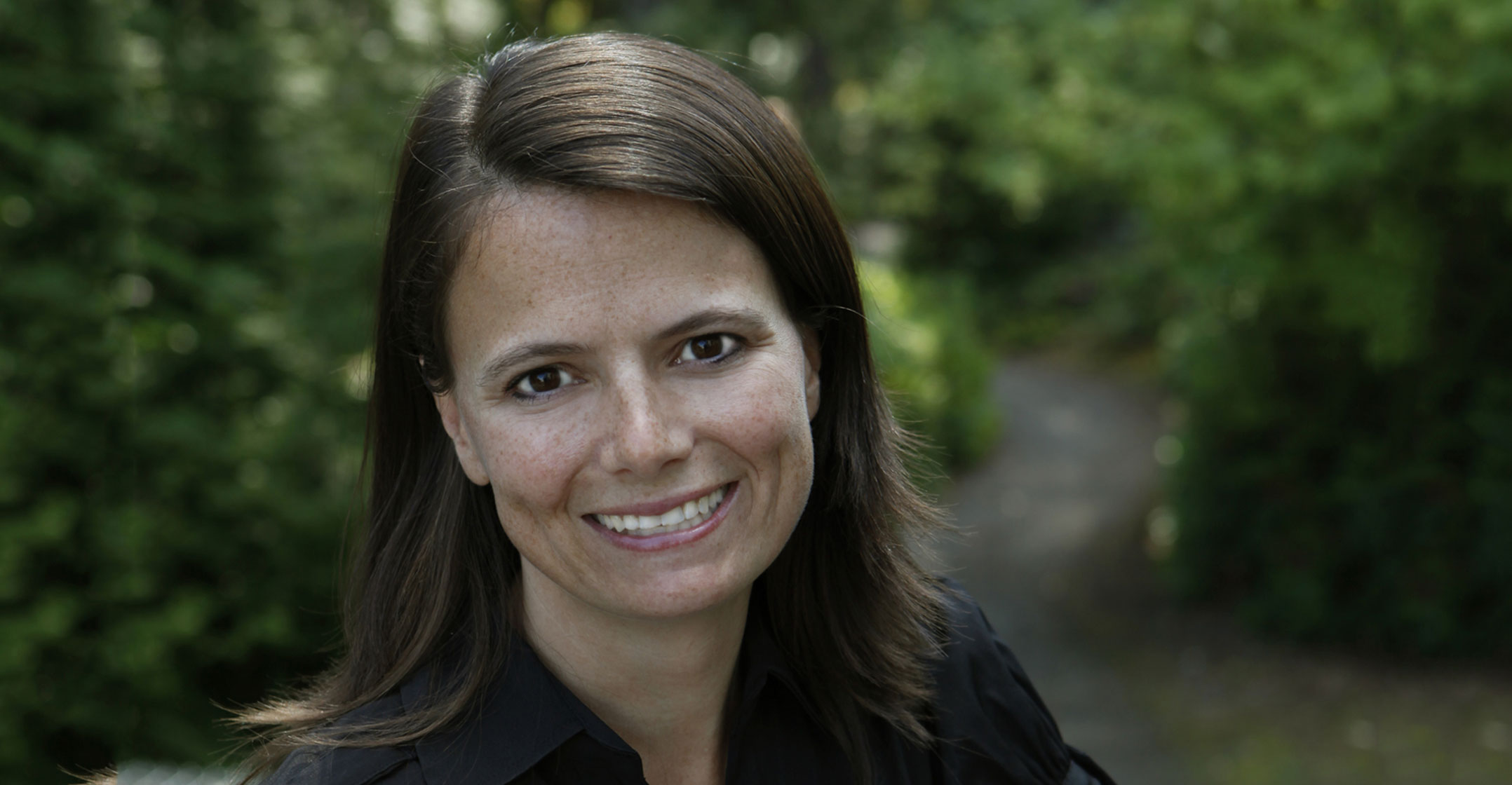
Clad in jeans and a gray sweatshirt, Amy Hood stands before a room of 140 Microsoft recruits. The feeling in the air is a bit like the first day of school, and new hires are taking selfies outside in front of a big Microsoft logo.
Hood tells the crowd that her job as chief financial officer is not simply to balance the books and plan spending, although she’s pretty good at that. Her main role is to make sure every one of them is glad they chose Microsoft.
“My kids will tell you I practise counting, but my job is really a little different than that,” she tells the crowd, grouped at round tables by the business unit they’re joining. “I may have thought about it that way when I took the job almost five years ago. But now it’s about creating an environment in which you all remember that you still want to pick us every day. That’s my job as a CFO.”
It’s not how most people think of the role of finance chief. But since taking the gig in 2013 — making Hood Microsoft’s longest-tenured CFO since the mid-1990s in a company that wears down finance professionals — a more expansive view of the job is what keeps her in it. Along with CEO Satya Nadella, Hood, 46, has played a key role in winning people — employees, customers, investors — back to Microsoft after the company spent more than a decade losing its way.
The world’s largest software maker, once undisputed ruler of the PC desktop, has remade itself into a cloud behemoth. This second coming looked highly unlikely when Hood took on the CFO job. But since then she has partnered with Nadella to turn the company around, becoming more influential than previous Microsoft CFOs and translating her boss’s strategy and product priorities into precise spending plans and forecasts. She has refocused Wall Street on cloud computing metrics and handily beat them.
“She was able to change everybody’s perspective on a company where everyone thought their best days were behind them,” says Heather Bellini, a Goldman Sachs analyst who has covered Microsoft for more than 15 years. “People view her as being very instrumental to the change in strategy at Microsoft. Satya has done an excellent job but people think of them as a package together.”
Shares soar
The shares have been hitting record highs throughout the northern hemisphere winter and spring, though that may be hard to sustain. Microsoft is battling tough competition from rival cloud providers including Amazon.com, which got a head start on the pack, and Google, which is rapidly building data centres. Those and other companies are also spending heavily on artificial intelligence, an area Nadella has committed considerable resources to. Microsoft has made big strides in hardware, and its tablets and notebooks are well-reviewed. But none has become a runaway hit. Finally, like their counterparts, Nadella and Hood must contend with a brewing trade war between the US and China, which could have an outsize impact on the tech industry.
As Nadella plots strategy to cope with these challenges, Hood manages spending to support it. Microsoft is sitting on one of the biggest cash piles in tech — US$132.3-billion — and Hood is extremely judicious in deploying it. Acquisitions are carefully vetted, and she has shown herself willing to take money away from legacy divisions such as Windows that are used to getting what they want and giving it to more promising businesses like the cloud group. When challenged, she always has the data to make her case. Between pieces of her kids’ artwork on a wall in her office hangs an award for “Excellence in Forecasting”. It’s a finance geek’s gag, bestowed on Hood by her team when they were badly wrong about a prediction and she was right.
“She’s not combative but she’s determined,” says former board member Maria Klawe. “She’s really good at what she does. She’s persistent but she’s not obnoxious ever.”
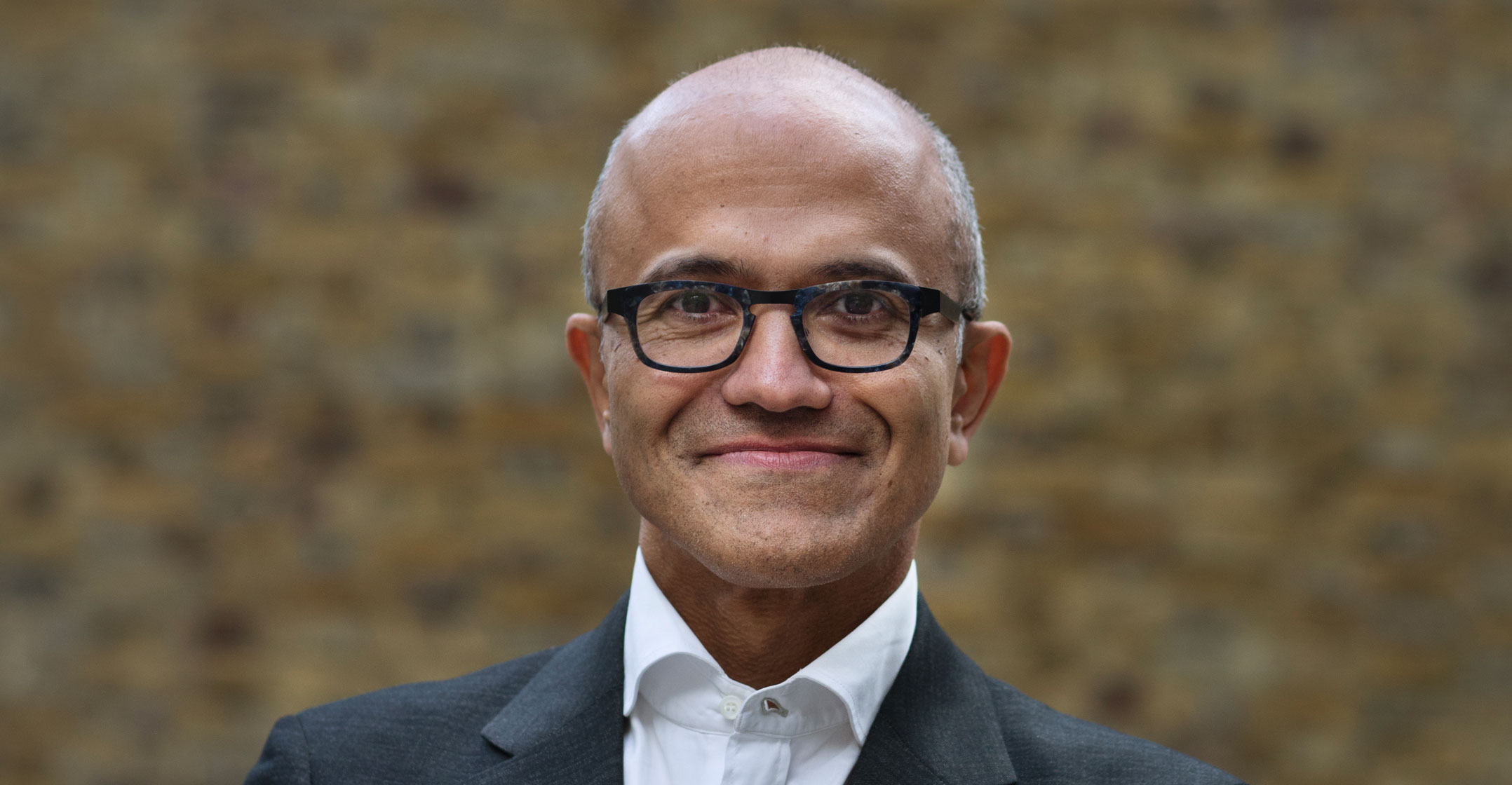
Hood joined Microsoft in 2002 and expected to stay only a few years before decamping to a start-up; she even timed her start date to get the maximum access to the employee stock purchase plan. But over time, she fell in love with the place and has emerged as one of Microsoft’s most passionate cheerleaders. In a rare interview, she explains why she loves her gig. “Why does anybody do a job?” she asks. “Because they think they can make a positive difference and feel like you want to be a part of something. Those things are really true for me.”
Hood was named CFO during one of the bleakest periods in Microsoft history. A last-ditch effort to drag Windows into the mobile era had largely failed, the PC market was sliding; investors, the board and even some of then-CEO Steve Ballmer’s own executives didn’t believe he had the answers. Ballmer had begun moving into the promising area of cloud computing, but the business was still small. Frustrated shareholders — at least those whom already hadn’t given up and sold their shares — were starting to revolt against what they deemed insufficient focus and profligate spending.
Hood was a few months back from maternity leave after the birth of her second daughter when Ballmer offered her the job. Despite graduating from Harvard Business School and holding several roles including Office group CFO, Hood hadn’t studied finance in school and recalls feeling she wasn’t ready for the job. A few years later, in 2016, Hood told a conference she always takes stretch jobs that are a little uncomfortable and then grows in the role.
Year one is trying for most new CFOs, but Hood couldn’t have anticipated the chaos. Weeks into the job, she flew to Europe to negotiate the purchase of Nokia assets; shortly after that Ballmer shook up the C-suite, giving Hood more power over the finances of each product. A month later he announced his departure.
Microsoft gave a board seat to an activist investor, announced a narrower and cheaper Nokia deal and started looking for a new CEO — all within two weeks. It took almost six months to replace Ballmer with Nadella, who Hood knew well because he’d overseen small business accounting and customer software while she ran strategy for the larger Office group that included his business. At Hood’s one-year anniversary as CFO, the legal department gave her a plaque congratulating her for making it through the first 12 months.
Once Nadella took over as CEO in February 2014, Hood needed to correct missteps made on Ballmer’s watch. First up: the $9.5-billion Nokia deal. Less than a year after closing, it was foundering and had missed Hood’s initial forecast for sales and savings. “Once the forecast failed to pan out, Amy was extremely rigourous on first calling attention to the failing performance and then encouraging everyone to focus on making hard decisions quickly,” says Microsoft president and chief legal officer Brad Smith, whose office shares a small hallway with Hood’s.
During the interview in May at Microsoft’s Redmond, Washington, headquarters, Hood acknowledges she will make mistakes and says she’s comfortable making tough decisions once she has the right data. She doesn’t believe in continuing a strategy or an investment just because the company has already spent a lot or put in a lot of work. “You can’t change anything,” she says. “A time machine doesn’t exist. So reflect, learn and move on. I just don’t dwell much on those things. Otherwise you get too fearful. You lose your bravery.”
Spotty track record
Nadella and Hood are trying to fix Microsoft’s spotty track record on big deals. Rather than buying shrinking businesses such as Nokia to prop up ailing ones like Microsoft’s mobile software unit, they look for strong companies in growing sectors. Where appropriate, they provide financial metrics then let acquisitions run on their own. LinkedIn, acquired in 2016, must meet targets for revenue, profit margins and user engagement. Eighteen months after the deal closed, LinkedIn’s results have been “materially better than our expectations”, says CEO Jeff Weiner. “We haven’t seen this degree of sequential acceleration of this many quarters since 2011. Independence has worked well for us.” GitHub, the software development platform, will be treated much the same way once the deal closes this year.
Microsoft execs, who previously had a tendency to meddle with new acquisitions, are dissuaded from making demands of them. “A lot of times we’d do an acquisition and it was sort of like turning a puppy loose in a room full of kindergartners,” says Dave O’Hara, a 17-year Microsoft veteran who oversees finance for cloud, Office and artificial intelligence.
It will take several years to tell whether the $26-billion LinkedIn acquisition and integration have been a success. Other Microsoft deals, including some that Hood worked on when she oversaw Office group finances, looked better shortly after they closed than they do now. For example, since acquiring Skype, Microsoft has alienated consumers by refocusing the online calling service on corporate customers, prompting many long-time users to defect to services operated by Apple, Google, Facebook and Snap.
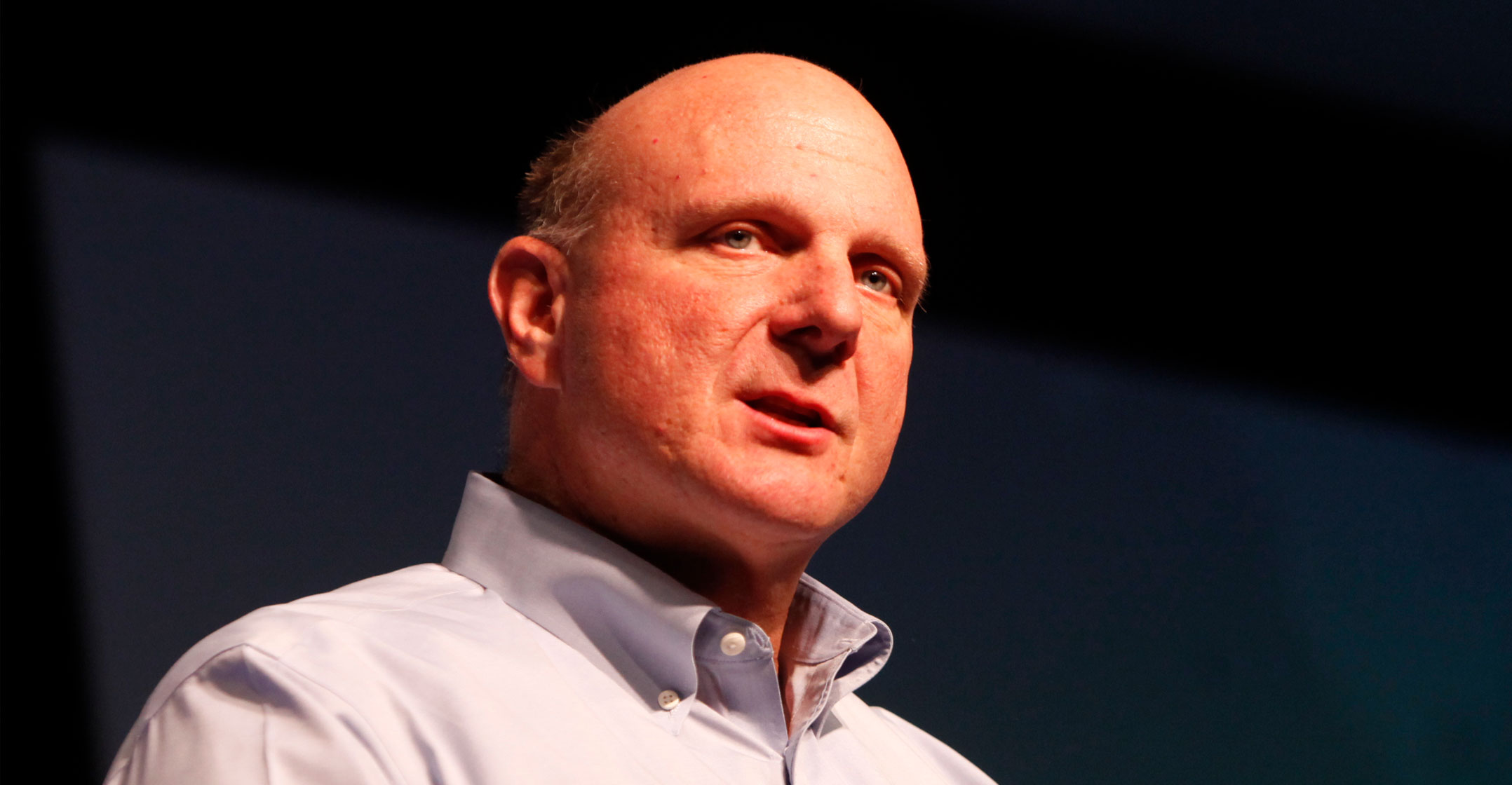
Hood came to the CFO job well-equipped to handle uncooperative shareholders. Her first job at Microsoft after joining from Goldman Sachs was investor relations. She got Ballmer’s attention by vigorously disagreeing with his reluctance to woo Wall Street. “My first impression was this lady is smart and she’s willing to push back, she’s got an edge, she has her own point of view and is not just going to parrot what management thinks,” Ballmer recalls. “She didn’t make headway with me at the time, but she didn’t sit there like a doormat and say ‘yeah, yeah, yeah, whatever’.” He says Hood is the best CFO Microsoft has ever had.
After Ballmer left, the relationship with Wall Street needed tending to. The shares had given up a third of their value during his tenure, even though sales almost quadrupled. Fritz Foley, who attended Harvard Business School with Hood and went on to become a professor there, recalls her frustration during an interview for a case study. “We had consistent performance, but generated no confidence,” Hood told him. “People did not believe we were relevant.” Foley says some value investors even wanted Microsoft to quit pushing into new businesses and simply milk Windows and Office.
At an executive retreat in 2015, Hood lectured senior leaders on the need for more internal and external metrics to keep employees on a measurable path and communicate better to investors. Nadella and Hood hatched a plan to refocus investors on the smaller but growing cloud business, pledging in April of that year to reach $20-billion in annualised revenue from the commercial cloud business by fiscal 2018, a goal they passed in the first quarter. It was a “look over here” move that took investors’ eyes off the waning PC business.
“The negatives were well understood by Wall Street,” says Sid Parakh, a portfolio manager at Becker Capital Management, which owns Microsoft shares. “The positives around ‘here’s all the great things we can do in the cloud’ were not as well understood because investors were like ‘show me the growth’. It needed to be carved out so investors could tangibly feel the potential.”
Hood understood, however, that to sell investors on a host of new predictions, she needed to be sure she was right. So she turned to Microsoft’s machine-learning software. Her team plugs hundreds of thousands of data points into the algorithms, which learn and make predictions on future revenue, costs, headcount, even contracts at risk. The software can tell Hood what types of job Microsoft should hire for and how adding people in those roles correlates to sales increases, which has helped the company do a better job hiring the right kind of sales people.
The machine-learning tools are part of a broader overhaul Hood calls “Modern Finance”, which includes updating 20-year-old software. Hood’s fiefdom is a radically different place from most corporate finance departments, which are rarely at the vanguard of experimentation. In fact, the machine-learning finance tools are working so well Hood’s team is trying to sell them to their counterparts at other companies.
Hood tries to give her people room to run. Bridgette Link runs Modern Finance and has broad discretion to determine what kinds of tools will make the most positive impact on her staff. Link says her boss had one request: flawless execution. When Link was asked to take an axe to corporate policies governing things like travel and purchasing, Brad Smith suggested she trim about 20% of the 1 800 policies. Hood told Smith he was letting the team off easy. She asked for 50%. Link delivered a 92% cut.
When the urge to meddle becomes too strong, Hood bakes. She’s obsessed with creating structurally complex pastry, complete with working parts. A rocket resulted in many “#PinterestFails” she says. Recently she built a Paw Patrol cake for her daughter, complete with a large tower. She remembers that her mother’s homemade cakes made her feel cared for, and so she does the same for her two daughters. Her younger girl’s birthday happens to coincide with the end of Microsoft’s fiscal year. Hood lets her team close the books and throws herself into baking the best birthday cake ever.
A reluctant interview subject who typically confines her public comments to earnings and investor calls, Hood brings the cake anecdote to a close. She’s done talking about herself: “That’s probably as interesting as I’ll ever be.” — Reported by Dina Bass, (c) 2018 Bloomberg LP