Close Menu
TechCentralTechCentral

    Subscribe to the newsletter

    Get the best South African technology news and analysis delivered to your e-mail inbox every morning.

    Facebook X (Twitter) YouTube LinkedIn
    WhatsApp Facebook X (Twitter) LinkedIn YouTube
    TechCentralTechCentral
    • News
      Eskom lifts load reduction for 140 000 customers

      Eskom lifts load reduction for 140 000 customers

      8 February 2026
      AI chatbots are coming to Apple CarPlay

      AI chatbots are coming to Apple CarPlay

      8 February 2026
      South Africa's stablecoin silence is becoming a policy failure

      South Africa’s stablecoin silence is becoming a policy failure

      6 February 2026
      Every electric car you can buy in South Africa in early 2026, ranked by price

      Every electric car you can buy in South Africa in early 2026, ranked by price

      6 February 2026
      From stocks to crypto, markets reel as AI doubts grow

      From stocks to crypto, markets reel as AI doubts grow

      6 February 2026
    • World
      Crypto firm accidentally sends R700-billion in bitcoin to its users

      Crypto firm accidentally sends R700-billion in bitcoin to its users

      8 February 2026
      AI won't replace software, says Nvidia CEO amid market rout - Jensen Huang

      AI won’t replace software, says Nvidia CEO amid market rout

      4 February 2026
      Apple acquires audio AI start-up Q.ai

      Apple acquires audio AI start-up Q.ai

      30 January 2026
      SpaceX IPO may be largest in history

      SpaceX IPO may be largest in history

      28 January 2026
      Nvidia throws AI at the weather

      Nvidia throws AI at weather forecasting

      27 January 2026
    • In-depth
      How liberalisation is rewiring South Africa's power sector

      How liberalisation is rewiring South Africa’s power sector

      21 January 2026
      The top-performing South African tech shares of 2025

      The top-performing South African tech shares of 2025

      12 January 2026
      Digital authoritarianism grows as African states normalise internet blackouts

      Digital authoritarianism grows as African states normalise internet blackouts

      19 December 2025
      TechCentral's South African Newsmakers of 2025

      TechCentral’s South African Newsmakers of 2025

      18 December 2025
      Black Friday goes digital in South Africa as online spending surges to record high

      Black Friday goes digital in South Africa as online spending surges to record high

      4 December 2025
    • TCS
      TCS+ | How Cloud On Demand is helping SA businesses succeed in the cloud - Xhenia Rhode, Dion Kalicharan

      TCS+ | Cloud On Demand and Consnet: inside a real-world AWS partner success story

      30 January 2026
      Watts & Wheels S1E3: 'BYD's Corolla Cross challenger'

      Watts & Wheels S1E3: ‘BYD’s Corolla Cross challenger’

      30 January 2026
      Watts & Wheels S1E3: 'BYD's Corolla Cross challenger'

      Watts & Wheels S1E2: ‘China attacks, BMW digs in, Toyota’s sublime supercar’

      23 January 2026

      TCS+ | Why cybersecurity is becoming a competitive advantage for SA businesses

      20 January 2026
      Watts & Wheels S1E3: 'BYD's Corolla Cross challenger'

      Watts & Wheels: S1E1 – ‘William, Prince of Wheels’

      8 January 2026
    • Opinion
      South Africa's skills advantage is being overlooked at home - Richard Firth

      South Africa’s skills advantage is being overlooked at home

      29 January 2026
      Why Elon Musk's Starlink is a 'hard no' for me - Songezo Zibi

      Why Elon Musk’s Starlink is a ‘hard no’ for me

      26 January 2026
      South Africa's new fibre broadband battle - Duncan McLeod

      South Africa’s new fibre broadband battle

      20 January 2026
      AI moves from pilots to production in South African companies - Nazia Pillay SAP

      AI moves from pilots to production in South African companies

      20 January 2026
      South Africa's new fibre broadband battle - Duncan McLeod

      ANC’s attack on Solly Malatsi shows how BEE dogma trumps economic reality

      14 December 2025
    • Company Hubs
      • Africa Data Centres
      • AfriGIS
      • Altron Digital Business
      • Altron Document Solutions
      • Altron Group
      • Arctic Wolf
      • AvertITD
      • Braintree
      • CallMiner
      • CambriLearn
      • CYBER1 Solutions
      • Digicloud Africa
      • Digimune
      • Domains.co.za
      • ESET
      • Euphoria Telecom
      • Incredible Business
      • iONLINE
      • IQbusiness
      • Iris Network Systems
      • LSD Open
      • NEC XON
      • Netstar
      • Network Platforms
      • Next DLP
      • Ovations
      • Paracon
      • Paratus
      • Q-KON
      • SevenC
      • SkyWire
      • Solid8 Technologies
      • Telit Cinterion
      • Tenable
      • Vertiv
      • Videri Digital
      • Vodacom Business
      • Wipro
      • Workday
      • XLink
    • Sections
      • AI and machine learning
      • Banking
      • Broadcasting and Media
      • Cloud services
      • Contact centres and CX
      • Cryptocurrencies
      • Education and skills
      • Electronics and hardware
      • Energy and sustainability
      • Enterprise software
      • Financial services
      • Information security
      • Internet and connectivity
      • Internet of Things
      • Investment
      • IT services
      • Lifestyle
      • Motoring
      • Public sector
      • Retail and e-commerce
      • Satellite communications
      • Science
      • SMEs and start-ups
      • Social media
      • Talent and leadership
      • Telecoms
    • Events
    • Advertise
    TechCentralTechCentral
    Home » Sections » Social media » iPhone users reject Facebook tracking, and advertisers are not impressed

    iPhone users reject Facebook tracking, and advertisers are not impressed

    By Agency Staff14 July 2021
    Twitter LinkedIn Facebook WhatsApp Email Telegram Copy Link
    News Alerts
    WhatsApp

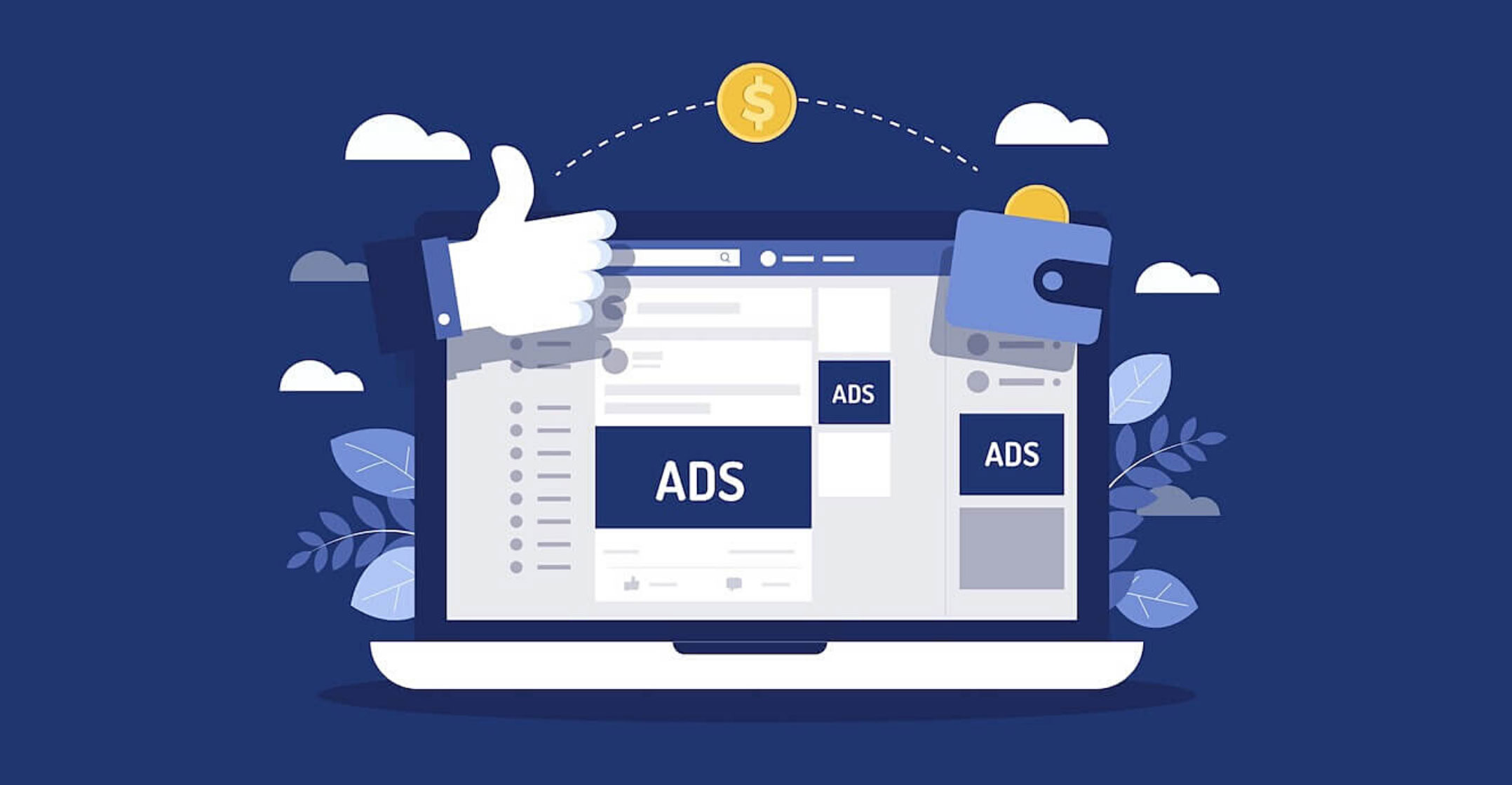
    When users get asked on iPhone devices if they’d like to be tracked, the vast majority say no. That’s worrying Facebook’s advertisers, who are losing access to some of their most valuable targeting data and have already seen a decrease in effectiveness of their ads.

    The new prompt from Apple, which arrived in an iOS software update to iPhones in early June, explicitly asks users of each app whether they are willing to be tracked across their Internet activity. Most are saying no, according to Branch, which analyses mobile app growth. People are giving apps permission to track their behaviour just 25% of the time, Branch found, severing a data pipeline that has powered the targeted advertising industry for years.

    “It’s been pretty devastating for I would say the majority of advertisers,” said Eric Seufert, a mobile analyst who writes the Mobile Dev Memo trade blog. “The big question is: Are we seeing just short-term volatility where we can expect a move back to the mean, or is this a new normal?”

    The big question is: Are we seeing just short-term volatility where we can expect a move back to the mean, or is this a new normal?

    Facebook advertisers, in particular, have noticed an impact in the last month. Media buyers who run Facebook ad campaigns on behalf of clients said Facebook is no longer able to see reliably how many sales its clients are making, so it’s harder to figure out which Facebook ads are working. Losing this data also impacts Facebook’s ability to show a business’s products to potential new customers. It also makes it more difficult to “re-target” people with ads that show users items they have looked at online, but may not have purchased.

    Blow to revenue?

    A Facebook spokesman declined to share what percentage of its users have accepted the company’s tracking prompt, but roughly 75% of the world’s iPhone users have downloaded the newest operating system, according to Branch. Seufert estimated that in the first full quarter users see the prompt, the iOS changes could cut Facebook’s revenue by 7% if roughly 20% of users agree to be tracked. If just 10% of users grant Facebook tracking permission, revenue could be down as much as 13.6%, according to his models. The first full quarter with the prompt is the third quarter. Facebook reports second quarter earnings at the end of July.

    Most retail websites include Facebook software that sends detailed customer data back to the social network, including when a Facebook user makes a purchase. Facebook can then use that data to better understand what a retailer’s target customer looks like, and show that retailer’s ads to other people on Facebook who match that profile, known as a “lookalike” audience.

    But as people have asked Facebook and other apps not to track their behaviour, the social networking company has started to lose access to this data. Gil David, a media buyer at Run DMG who spends about US$1-million on Facebook ads per month for clients, said the company used to know about the vast majority of his client’s sales. Now that data is inconsistent. With one larger client, Facebook captured just 64% of sales. With a smaller client, just 42%.

    Mark Zuckerberg

    Zach Stuck, another media buyer who runs Homestead Studio and spends millions on Facebook ads per month, has seen the same changes. Facebook used to capture around 95% of the sales data from his clients. In one case now, there is a 57% gap between sales he can see on Shopify and what Facebook is reporting, he said.

    Since Facebook has a smaller sample of data, an advertiser may be paying to reach someone who doesn’t quite fit their target audience, making the ads less effective for the amount of money advertisers spend.

    “What Facebook was great at is they were able to see who bought and find that user’s buyer behaviour – what other websites are they visiting, what other things are they doing,” Stuck said. When it can’t see this data, Facebook can’t accurately find “other people that might be able to buy a product similar to that”.

    Apple has made privacy a foundation of the company’s latest marketing effort around the iPhone

    Missing this sales data also makes it harder for Facebook to measure properly the impact of its ads because media buyers don’t know how many sales are being driven by their marketing campaigns. Facebook used to tell advertisers how many sales it made within certain demographic cohorts – women in Texas, or 18- to 25-year-old men, for example. The company has stopped sharing that level of detail, advertisers say.

    ‘No source of truth’

    “There’s no source of truth at all anymore,” said Dave Herrmann, who runs his own agency called Herrmann Digital and manages more than $2.5-million in monthly Facebook advertising spend. “Every platform gives you different numbers.”

    A Facebook spokesman said ad performance for “lookalike” targeting will experience some fluctuations with the iOS changes, but should not be noticeably impacted in the long term.

    Another key part of Facebook advertising is “re-targeting,” or showing someone an ad for a product they may have looked at online or put into a digital shopping cart, but never purchased. When users ask Facebook to stop tracking their behaviour, this form of re-targeting isn’t possible.

    Losing the ability to re-target products to customers after they viewed them online but didn’t buy hurts businesses trying to sell more expensive products, advertisers say, because it’s rarer for someone to make an impulse purchase on something pricey. Customers are more likely to make a big purchase when that expensive item shows up in their Facebook news feed for weeks after they originally looked at it.

    Apple has made privacy a foundation of the company’s latest marketing effort around the iPhone, pushing back against the digital advertising industry that has collected immense amounts of user data for years in ways that few people understood. The tagline for the company’s new iPhone television ad is: “Choose who tracks your information … and who doesn’t.” The privacy changes apply to all app developers on the iPhone, not just Facebook.

    But the social network has been protesting the loudest, arguing for months that Apple’s new privacy features would hurt small businesses that rely on targeted advertising — and make up the bulk of the company’s sales. Facebook said these businesses rely on precise targeting to find customers and may not have the advertising budget for a broader marketing campaign.

    Those bootstrapped advertisers or those advertisers that are trying to start from scratch to enter the market are going to have a much tougher time

    “Those bootstrapped advertisers or those advertisers that are trying to start from scratch to enter the market are going to have a much tougher time than a venture-backed company or somebody that’s more established,” said Maurice Rahmey, co-founder of a performance marketing firm called Disruptive Digital.

    A Facebook spokesman said the company is doing a number of things to try and make up for the changes, including working on new advertising features that require less data to measure an ad’s success. The company is also looking into technology that would let Facebook deliver personalised ads based on targeting data stored on the user’s device, meaning Facebook wouldn’t need to access it.

    ‘Can coexist’

    “Apple’s policy is hurting the ability of businesses to use their advertising budgets efficiently and effectively, and the limitations being created are driven by Apple’s restrictions for their own benefit,” the spokesman added, noting that Facebook has tried to prep advertisers with notices, blogs and webinars. “We believe that personalised ads and user privacy can coexist.”

    While the majority of the world’s smartphone users own devices running Google’s Android operating system, Apple’s iPhones are popular in some of the world’s most valuable advertising markets. Facebook even created its own pop-up to appear before Apple’s required one, hoping that it might encourage more people to grant it permission to track their behaviour. During a live audio interview on the app Clubhouse in March, CEO Mark Zuckerberg said Facebook “may even be in a stronger position” following the iOS changes if it means more businesses start to make sales directly within Facebook’s apps instead of sending users to a Web address.

    Despite the challenges, advertisers don’t appear ready to abandon Facebook just yet. But media buyers said their smaller clients are already starting to struggle. Some don’t make enough sales to effectively leverage Facebook’s “lookalike” targeting features. Herrmann said he’s slowed some of his Facebook spending until the impact of the tracking changes are clearer. He’s also started moving some of his smaller clients to different kinds of advertising, like paying influencers to market their products.

    Thought Catalog/Unsplash.com

    “I don’t think anyone truly understands how many businesses in the world are 100% dependent on Facebook,” Herrmann said. “When you suddenly strip that away and Facebook ads are 40% less effective, and will continue to become less effective over time, that creates a kind of a panic.”

    Others, like David, are questioning Apple’s privacy push entirely.

    “Smaller businesses are a casualty,” he added. “I’m not really sure Apple fully thought that through, or they were aware of that and just thought, ‘We don’t care. This is what we’re doing.’”  — Reported by Kurt Wagner, (c) 2021 Bloomberg LP



    Apple Facebook Mark Zuckerberg top
    WhatsApp YouTube Follow on Google News Add as preferred source on Google
    Share. Facebook Twitter LinkedIn WhatsApp Telegram Email Copy Link
    Previous ArticleHelp us, Durban business leaders plead as city burns
    Next Article South African ports, key rail line disrupted by violence

    Related Posts

    AI chatbots are coming to Apple CarPlay

    AI chatbots are coming to Apple CarPlay

    8 February 2026
    Google goes from laggard to leader in AI

    Google goes from laggard to leader in AI

    5 February 2026
    Apple acquires audio AI start-up Q.ai

    Apple acquires audio AI start-up Q.ai

    30 January 2026
    Company News
    The skills gap is a thinking gap: why South African employers can't find problem solvers

    The skills gap is a thinking gap: why SA employers can’t find problem solvers

    6 February 2026
    Vox Kiwi Wireless: fibre-like broadband for South African homes

    Vox Kiwi Wireless: fibre-like broadband for South African homes

    5 February 2026
    NEC XON achieves an African first with full Fortinet accreditation - Ian Kruger

    NEC XON achieves an African first with full Fortinet accreditation

    5 February 2026
    Opinion
    South Africa's skills advantage is being overlooked at home - Richard Firth

    South Africa’s skills advantage is being overlooked at home

    29 January 2026
    Why Elon Musk's Starlink is a 'hard no' for me - Songezo Zibi

    Why Elon Musk’s Starlink is a ‘hard no’ for me

    26 January 2026
    South Africa's new fibre broadband battle - Duncan McLeod

    South Africa’s new fibre broadband battle

    20 January 2026

    Subscribe to Updates

    Get the best South African technology news and analysis delivered to your e-mail inbox every morning.

    Latest Posts
    Eskom lifts load reduction for 140 000 customers

    Eskom lifts load reduction for 140 000 customers

    8 February 2026
    Crypto firm accidentally sends R700-billion in bitcoin to its users

    Crypto firm accidentally sends R700-billion in bitcoin to its users

    8 February 2026
    AI chatbots are coming to Apple CarPlay

    AI chatbots are coming to Apple CarPlay

    8 February 2026
    South Africa's stablecoin silence is becoming a policy failure

    South Africa’s stablecoin silence is becoming a policy failure

    6 February 2026
    © 2009 - 2026 NewsCentral Media
    • Cookie policy (ZA)
    • TechCentral – privacy and Popia

    Type above and press Enter to search. Press Esc to cancel.

    Manage consent

    TechCentral uses cookies to enhance its offerings. Consenting to these technologies allows us to serve you better. Not consenting or withdrawing consent may adversely affect certain features and functions of the website.

    Functional Always active
    The technical storage or access is strictly necessary for the legitimate purpose of enabling the use of a specific service explicitly requested by the subscriber or user, or for the sole purpose of carrying out the transmission of a communication over an electronic communications network.
    Preferences
    The technical storage or access is necessary for the legitimate purpose of storing preferences that are not requested by the subscriber or user.
    Statistics
    The technical storage or access that is used exclusively for statistical purposes. The technical storage or access that is used exclusively for anonymous statistical purposes. Without a subpoena, voluntary compliance on the part of your Internet Service Provider, or additional records from a third party, information stored or retrieved for this purpose alone cannot usually be used to identify you.
    Marketing
    The technical storage or access is required to create user profiles to send advertising, or to track the user on a website or across several websites for similar marketing purposes.
    • Manage options
    • Manage services
    • Manage {vendor_count} vendors
    • Read more about these purposes
    View preferences
    • {title}
    • {title}
    • {title}