A platform that lets residents crowdfund repairs to potholes and illegal dumping sites has won this year’s Wits Social Good Hackathon, with the winners announced on Friday at the Wits Science Stadium in Johannesburg.
More than 300 Wits University students from computer science, engineering, mining, actuarial science and finance took part, working in teams on themes including gender-based harm, health, fintech, tourism, fraud prevention, agri-tech and the township economy. Five teams reached the final.
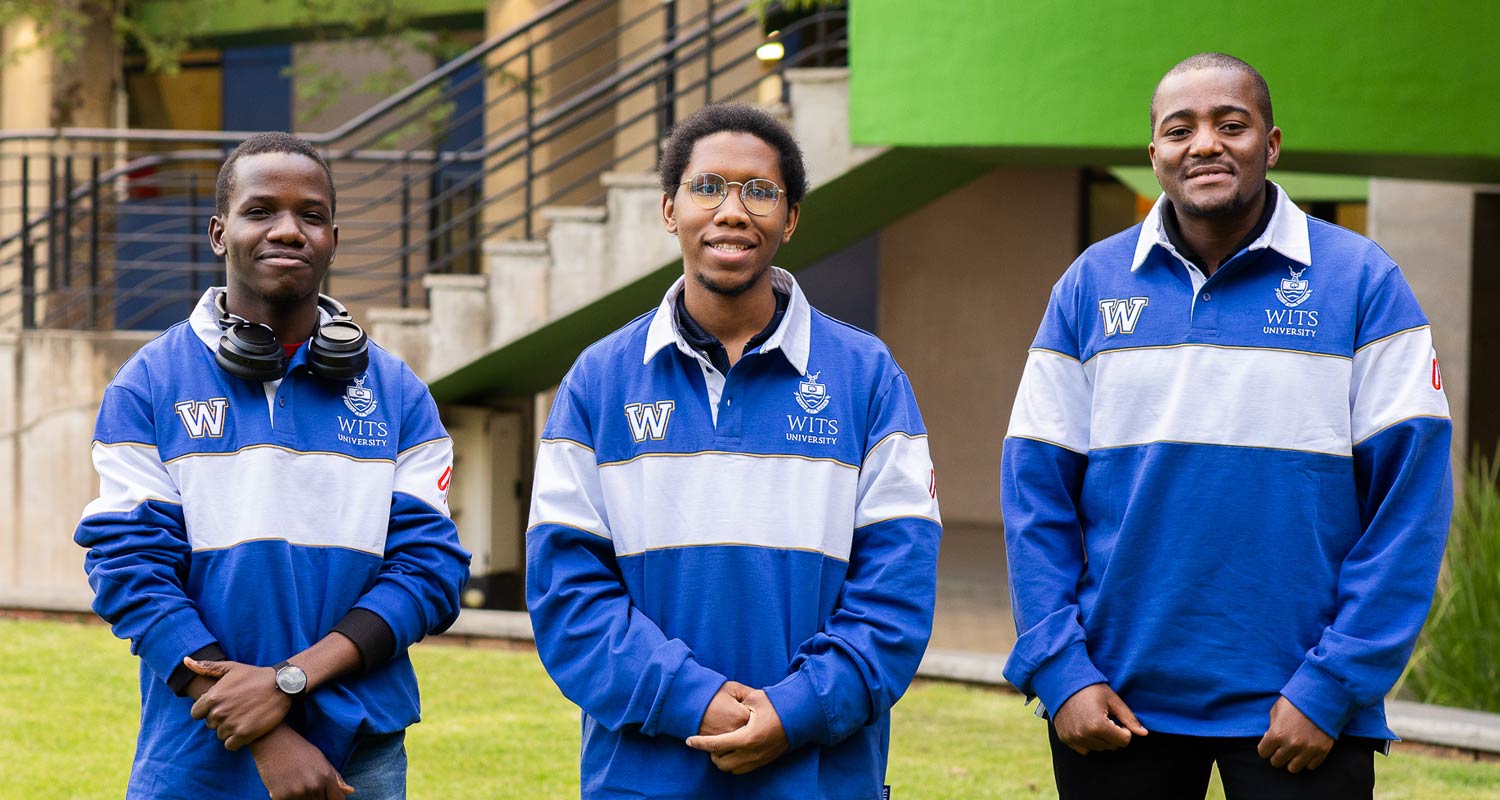
The winning team, Buff Bytes, is made up of Ndivho Shilling, Alton Maseko and Paballo John Bopape. On their platform, BlockFix, residents would drop a pin on a map, upload photos or video of a problem, and start a small “bounty” that neighbours can add to, with the money held in escrow. Verified local workers would then apply for the job, and the platform would assign the most qualified person.
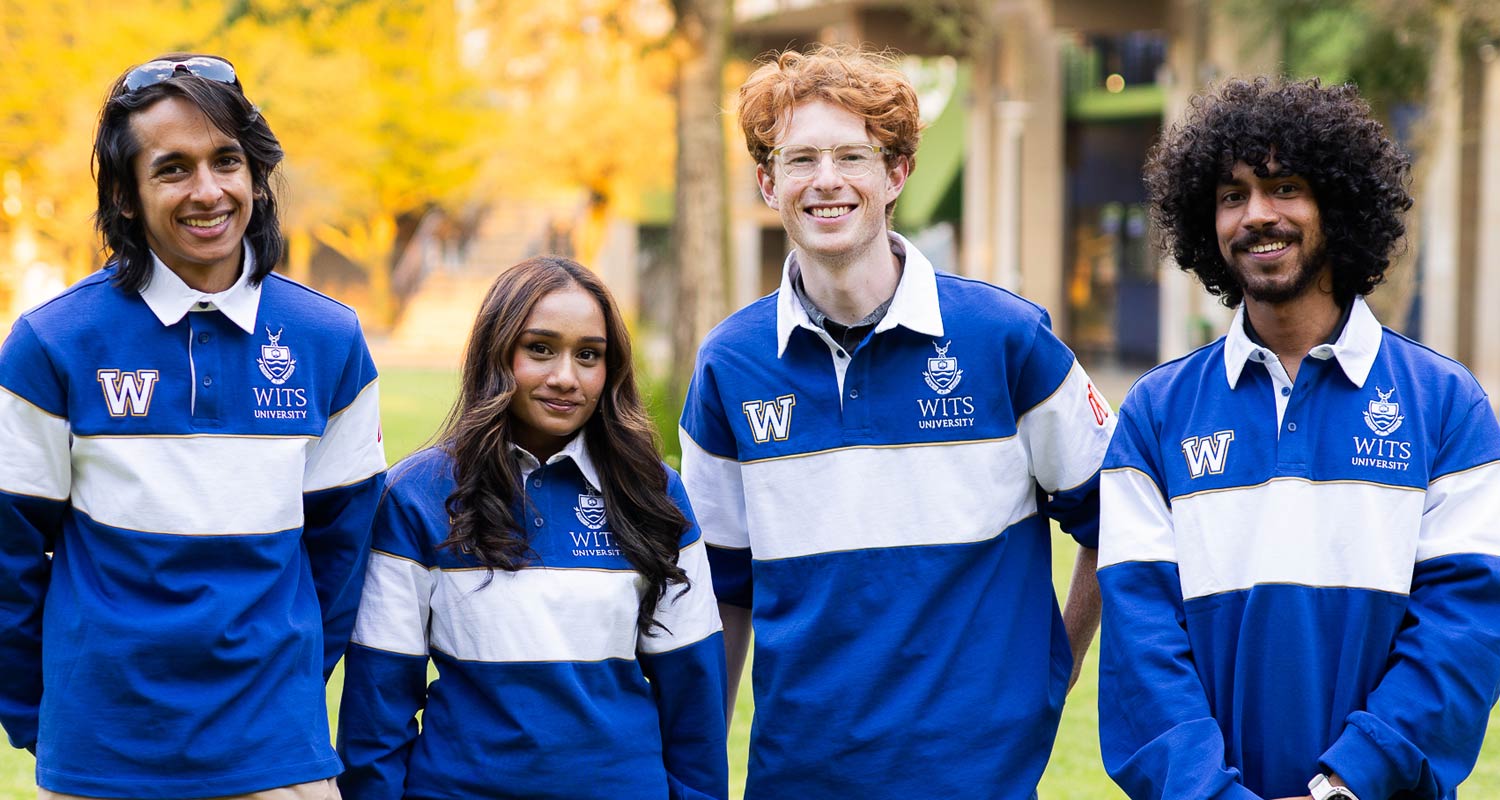
Second place went to Ket-Nip — Shawal Kassim, Brendan Griffiths, Viasha Morgan and Fakir Zaeem — whose model picks the repairs that would save the most water on a fixed budget. Municipalities cannot account for 47.3% of the water they treat, according to the department of water and sanitation’s latest No Drop progress report, a figure that includes leaks, theft and metering errors.
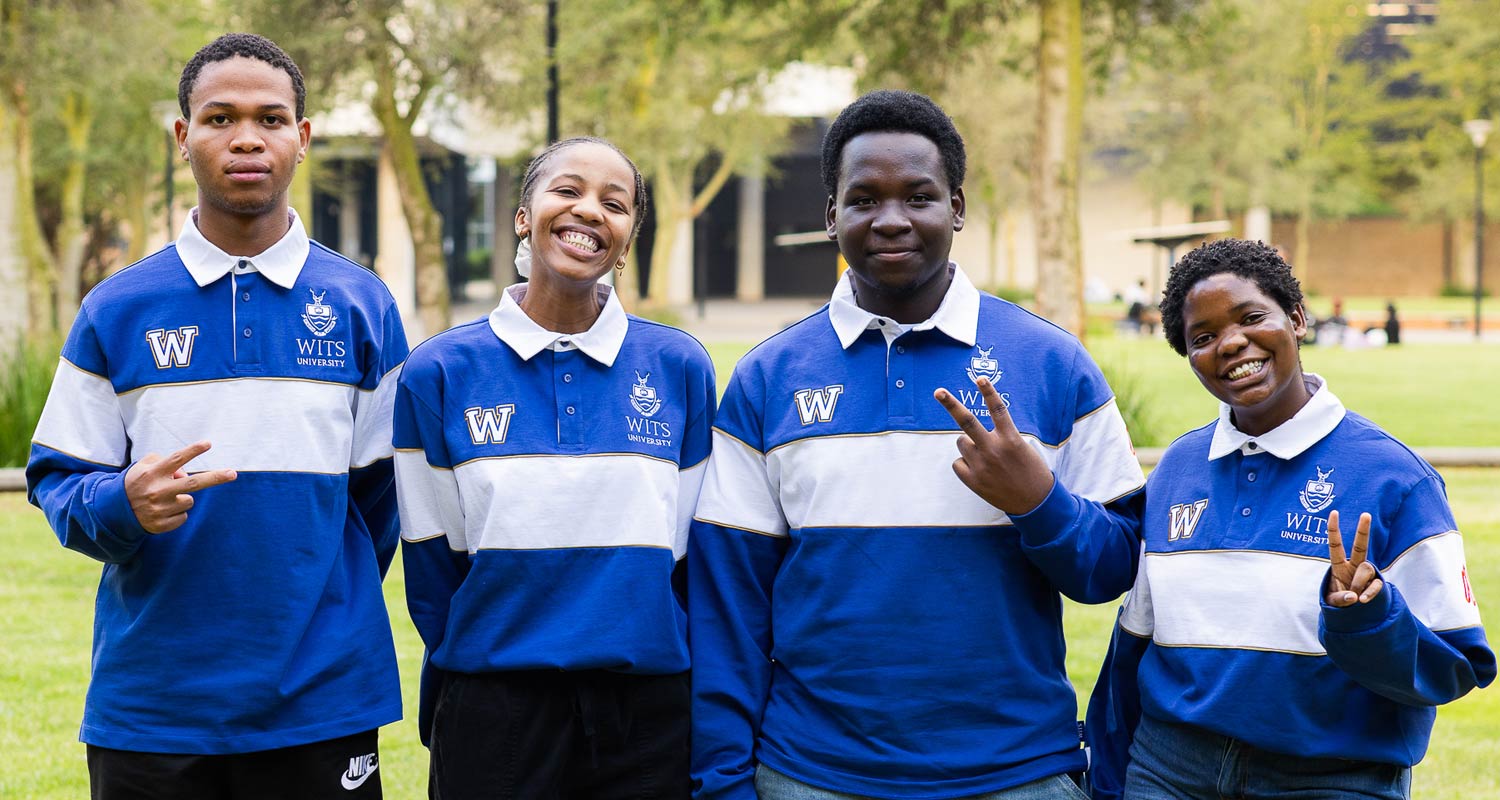
Third was Mira, built by Code // Bear: Neliswa Jones, Marvellous Sambo, Njabulo Ndlozi and Njabulo Khuzwayo. It keeps patients in touch with healthcare workers between visits through reminders and symptom and wound check-ins, using SMS and USSD – the text menus used on basic phones – for people without smartphones.
It uses AI in two ways: to analyse photos of wounds, and in Pulse, a chat assistant that works in several languages. To take it further, the team said, they would need far more wound photos and patient conversations to train them.
No cash prize
The hackathon was started in 2019 by Ndamu Gumane of software company Adapt IT, which backs the event Wits hosts, and Pravesh Ranchod, a senior tutor in Wits’s School of Computer Science and Applied Mathematics. Gumane, head of research and development in Adapt IT’s telecoms division, is a Wits graduate.
There is no cash prize. “We didn’t want people to come participate for money,” Gumane told TechCentral. Instead, the hackathon links students to internships, vacation work and full-time jobs, and start-ups were invited to scout for talent.
Adapt IT has kept a record of every project, including its code, and Gumane invited investors to take promising ones further. “As long as South Africa benefits, we’re more than happy,” he said. If angel investors are interested, he wants students to pitch to them next year. — © 2026 NewsCentral Media