
Close Menu
TechCentralTechCentral

    Subscribe to the newsletter

    Get the best South African technology news and analysis delivered to your e-mail inbox every morning.

    Facebook X (Twitter) YouTube LinkedIn
    WhatsApp Facebook X (Twitter) LinkedIn YouTube
    TechCentralTechCentral
    • News
      WhatsApp is eating South African operators' revenue

      WhatsApp is eating South African operators’ revenue

      4 April 2026
      DeepSeek V4 to run on Huawei silicon as China builds its own AI stack

      DeepSeek V4 to run on Huawei silicon as China builds its own AI stack

      4 April 2026
      Gaping holes in South African government cyber defences

      Gaping holes in South African government cyber defences

      2 April 2026
      EV charging start-up Charge bypasses JSE for token-based raise - Joubert Roux

      EV charging start-up Charge bypasses JSE for token-based raise

      2 April 2026
      Ring, reject, repeat: South Africa's spam call crisis

      Ring, reject, repeat: South Africa’s spam call crisis

      2 April 2026
    • World
      Amazon in talks to buy satellite operator Globalstar

      Amazon in talks to buy satellite operator Globalstar

      2 April 2026

      Apple plans to open Siri to rival AI services

      27 March 2026
      It's official: ads are coming to ChatGPT

      It’s official: ads are coming to ChatGPT

      23 March 2026
      Mystery Chinese AI model revealed to be Xiaomi's

      Mystery Chinese AI model revealed to be Xiaomi’s

      19 March 2026
      A mystery AI model has developers buzzing

      A mystery AI model has developers buzzing

      18 March 2026
    • In-depth
      The biggest untapped EV market on Earth is hiding in plain sight

      The biggest untapped EV market on Earth is hiding in plain sight

      1 April 2026
      The R18-billion tech giant hiding in plain sight - Jens Montanana

      The R16-billion tech giant hiding in plain sight

      26 March 2026
      The last generation of coders

      The last generation of coders

      18 February 2026
      Sentech is in dire straits

      Sentech is in dire straits

      10 February 2026
      How liberalisation is rewiring South Africa's power sector

      How liberalisation is rewiring South Africa’s power sector

      21 January 2026
    • TCS
      TCS | MTN's Divysh Joshi on the strategy behind Pi - Divyesh Joshi

      TCS | MTN’s Divyesh Joshi on the strategy behind Pi

      1 April 2026
      Anoosh Rooplal

      TCS | Anoosh Rooplal on the Post Office’s last stand

      27 March 2026
      Meet the CIO | HealthBridge CTO Anton Fatti on the future of digital health

      Meet the CIO | Healthbridge CTO Anton Fatti on the future of digital health

      23 March 2026
      TCS+ | Arctic Wolf unpacks the evolving threat landscape for SA businesses - Clare Loveridge and Jason Oehley

      TCS+ | Arctic Wolf unpacks the evolving threat landscape for SA businesses

      19 March 2026
      TCS+ | Vox Kiwi: a wireless solution promising a fibre-like experience - Theo van Zyl

      TCS+ | Vox Kiwi: a wireless solution promising a fibre-like experience

      13 March 2026
    • Opinion
      The conflict of interest at the heart of PayShap's slow adoption - Cheslyn Jacobs

      The conflict of interest at the heart of PayShap’s slow adoption

      26 March 2026
      South Africa's energy future hinges on getting wheeling right - Aishah Gire

      South Africa’s energy future hinges on getting wheeling right

      10 March 2026
      Hold the doom: the case for a South African comeback - Duncan McLeod

      Apple just dropped a bomb on the Windows world

      5 March 2026
      VC's centre of gravity is shifting - and South Africa is in the frame - Alison Collier

      VC’s centre of gravity is shifting – and South Africa is in the frame

      3 March 2026
      Hold the doom: the case for a South African comeback - Duncan McLeod

      Hold the doom: the case for a South African comeback

      26 February 2026
    • Company Hubs
      • 1Stream
      • Africa Data Centres
      • AfriGIS
      • Altron Digital Business
      • Altron Document Solutions
      • Altron Group
      • Arctic Wolf
      • Ascent Technology
      • AvertITD
      • BBD
      • Braintree
      • CallMiner
      • CambriLearn
      • CYBER1 Solutions
      • Digicloud Africa
      • Digimune
      • Domains.co.za
      • ESET
      • Euphoria Telecom
      • HOSTAFRICA
      • Incredible Business
      • iONLINE
      • IQbusiness
      • Iris Network Systems
      • Kaspersky
      • LSD Open
      • Mitel
      • NEC XON
      • Netstar
      • Network Platforms
      • Next DLP
      • Ovations
      • Paracon
      • Paratus
      • Q-KON
      • SevenC
      • SkyWire
      • Solid8 Technologies
      • Telit Cinterion
      • Telviva
      • Tenable
      • Vertiv
      • Videri Digital
      • Vodacom Business
      • Wipro
      • Workday
      • XLink
    • Sections
      • AI and machine learning
      • Banking
      • Broadcasting and Media
      • Cloud services
      • Contact centres and CX
      • Cryptocurrencies
      • Education and skills
      • Electronics and hardware
      • Energy and sustainability
      • Enterprise software
      • Financial services
      • HealthTech
      • Information security
      • Internet and connectivity
      • Internet of Things
      • Investment
      • IT services
      • Lifestyle
      • Motoring
      • Policy and regulation
      • Public sector
      • Retail and e-commerce
      • Satellite communications
      • Science
      • SMEs and start-ups
      • Social media
      • Talent and leadership
      • Telecoms
    • Events
    • Advertise
    TechCentralTechCentral
    Home » Sections » Information security » Prevention is better than cure: how CEM helps deal with cyberrisk

    Prevention is better than cure: how CEM helps deal with cyberrisk

    Promoted | Continuous Exposure Management (CEM) helps organisations proactively manage, prioritise and mitigate ever-changing risks, says Skybox Security.
    By Skybox Security19 October 2023
    Twitter LinkedIn Facebook WhatsApp Email Telegram Copy Link
    News Alerts
    WhatsApp

    In the realm of cyberrisk, the vulnerability landscape is vast. Skybox’s 2023 Vulnerability and Threat Trends Report noted over a staggering 25 000 new vulnerabilities and exposures recorded last year alone, marking a 25% year jump from the previous year. This increase happens while security teams often have to deal with reduced budgets and resources.

    Read: Vulnerability and Threat Trends Report 2023

    While human attack vectors are a significant concern, it’s important to note that more than 40% of breaches are still occurring through software supply chain and 38% of attacks are via third-party access, while 46% are through web applications, as reported in the PwC 2023 Digital Trust Insights Report. Backdoor attacks and “living off the land” approaches are becoming more common, making it even harder for IT security to stay on top of threats.

    So, what exactly is cyber exposure management? Think of it as applying sunscreen only to visible areas, like your arms or areas within easy reach. However, the real damage is only found when you realise that sunburn is usually to exposed skin that lies in less obvious places, like behind your knees or ears, where it’s been exposed to harsh UV rays while you focus on the visible areas. Full coverage is essential to prevent an uncomfortable night ahead!
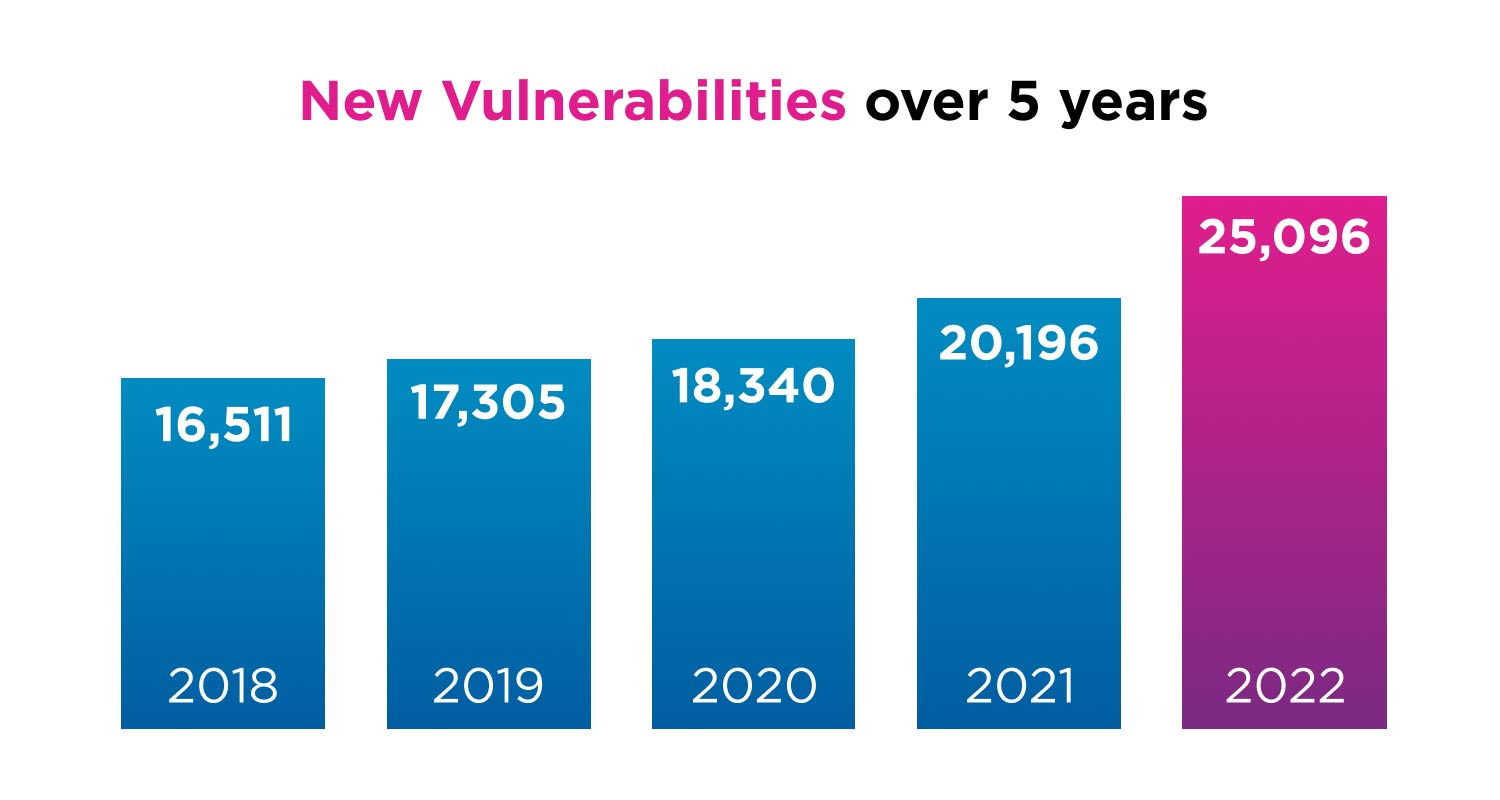
    Image: Skybox Security

    Traditional approaches to handling vulnerabilities and patches are no longer enough due to the sheer volume and rapid evolution of vulnerabilities. Cybersecurity risks extend beyond software vulnerabilities, encompassing device misconfigurations, overlooked services, overly permissive filtering rules and more. The term “exposure” covers a broader spectrum of risks, urging security teams to reconsider traditional vulnerability management methods.

    Just like the sunscreen analogy, addressing the challenge of organisational cyberrisks based solely on what a tool reports or what can be seen from one dimension lacks valuable insights and won’t prevent the unseen patch of skin from being scorched – such as that forgotten unmanaged development server that is internet-facing and stores critical financial data.

    Organisations will continue to face gaps in effectively managing risks and threats when they have not implemented a continuous exposure-based approach, primarily because their existing security controls are siloed and tool-centric. These tools can only do so much. For example, firewalls may successfully filter traffic, but what about firewalls with overly permissive rules?

    Organisations must adopt a comprehensive and proactive approach to risk mitigation

    Additionally, many organisations have rigid compliance programmes in which they audit areas like firewalls and network segmentation and carry out penetration testing at intervals. But even these measures sample only selected areas of the network and indicate the level of risk at a single point in time. This would be akin to applying sunscreen once and going for a swim straight after and never reapplying the cover.

    Scheduled audits and pentests often neglect areas considered irrelevant, such as the laptop that hasn’t been patched for the year, or the server that’s just a sandbox, but is in fact exposed to the internet from where attackers could access the network. The attack surface evolves continuously, necessitating ongoing exposure management. Organisations must maintain an up-to-date, real-time view of their environment – with all the data normalised to help them gain insights and act on prioritised risks and be able to rapidly respond to vulnerabilities that pose an imminent and high risk.

    Skybox CEM

    Given the catastrophic impact of cyberattacks, organisations must adopt a comprehensive and proactive approach to risk mitigation. They need to continuously adapt as their exposure changes. Recognising this need, Skybox introduced a method to extend the scope of typical vulnerability management through a continuous exposure management (CEM) programme.

    Through CEM, Skybox supports every aspect of an organisation’s continuous exposure management programme, enabling security teams to map their attack surface, contextualise data, evaluate and prioritise vulnerabilities, and respond effectively through remediation.
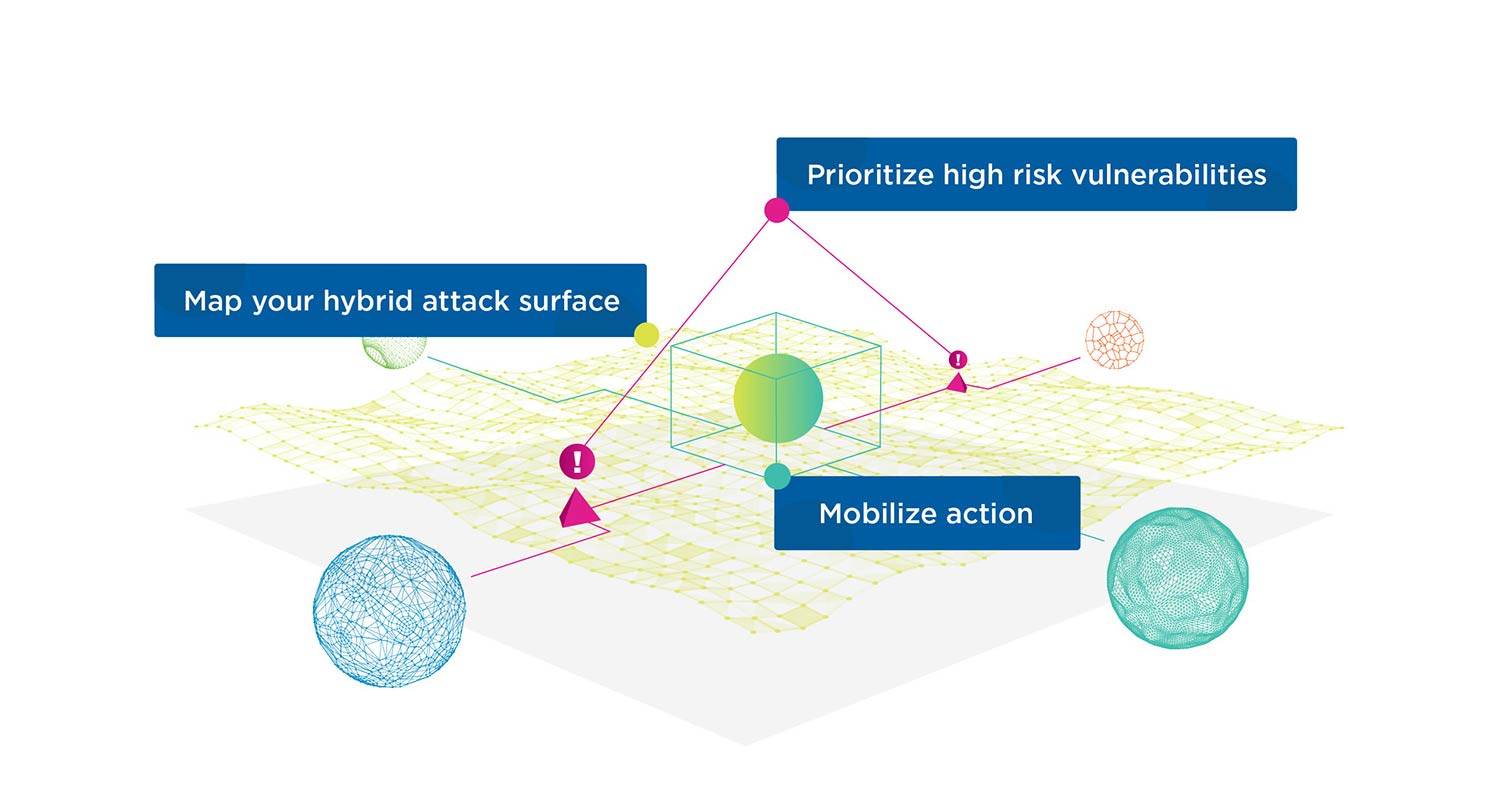
    Image: Skybox Security

    Skybox integrates with over 150 technologies to create a dynamic security model, mapping the attack surface and contextualising security data from various sources like network platforms, asset databases, security tools, vulnerability scanners, intelligence feeds and remediation systems. This aggregation of data offers a 360-degree view of the attack surface, delivering a thorough understanding of asset information, vulnerability and threat data, security controls and policies.

    Through vulnerability prioritisation, we assess the exposure, exploitability and context of the asset to determine the severity of the risk. Not all risks represent the same danger for an organisation, therefore prioritisation looks at where the assets and data are in the network, how critical they are for the business, and what security controls are in place to protect them.

    With Skybox CEM, organisations gain the full visibility necessary to understand the consequences of making changes or modifications to their infrastructure such as integrating a new branch, merging with another company, installing new applications, or migrating to the cloud. Armed with this understanding, they can ensure that security policies remain compliant and that teams are effectively reducing exposure to risks.

    Attack simulations

    This visibility also enables teams to run attack simulations to understand how they are exposed, the potential impact of this, and how they could contain the incident as attackers move laterally through the network.

    Importantly, the Skybox CEM platform enables organisations to quantify both technical risk and the risk to business processes and revenues. It becomes possible to determine the costs per time frame if the business loses a particular system or application.

    By prioritising and quantifying the risks, CEM enables IT security teams to address the most critical vulnerabilities first and prevent attacks before they happen – where it matters most.

    • The authors are Simone Santana, Africa regional director, and Jose Bernal, Emea sales engineering director, both at Skybox Security
    • Read more articles by Skybox Security on TechCentral
    • This promoted content was paid for by the party concerned

    Follow TechCentral on Google News Add TechCentral as your preferred source on Google


    CEM continous exposure management Simone Santana Skybox Skybox Security
    WhatsApp YouTube
    Share. Facebook Twitter LinkedIn WhatsApp Telegram Email Copy Link
    Previous ArticleBlueSky, Salesforce: elevate your customer experiences with AI
    Next Article Huawei shows how sub-3GHz 5G will unleash Africa’s digital potential  

    Related Posts

    Weak passwords cause one in five breaches - Solid8 and Specops have the fix

    Weak passwords cause one in five breaches – Solid8 and Specops have the fix

    22 October 2025
    Trust in automation: Solid8 and AlgoSec power Africa's secure digital future

    Trust in automation: Solid8 and AlgoSec power Africa’s secure digital future

    21 October 2025
    4 tips for exposure management of your business applications - Skybox Security

    4 tips for exposure management of your business applications

    19 February 2025
    Add A Comment

    Comments are closed.

    Company News
    Synthesis helps financial enterprises transform with new Gemini Enterprise - Digicloud Africa

    Synthesis helps financial enterprises transform with new Gemini Enterprise

    2 April 2026
    The next churn wave is already in your contact centre conversations - CallMiner

    The next churn wave is already in your contact centre conversations

    2 April 2026
    Mining's problem isn't output, it's execution - Workday

    Mining’s problem isn’t output, it’s execution – Workday

    1 April 2026
    Opinion
    The conflict of interest at the heart of PayShap's slow adoption - Cheslyn Jacobs

    The conflict of interest at the heart of PayShap’s slow adoption

    26 March 2026
    South Africa's energy future hinges on getting wheeling right - Aishah Gire

    South Africa’s energy future hinges on getting wheeling right

    10 March 2026
    Hold the doom: the case for a South African comeback - Duncan McLeod

    Apple just dropped a bomb on the Windows world

    5 March 2026

    Subscribe to Updates

    Get the best South African technology news and analysis delivered to your e-mail inbox every morning.

    Latest Posts
    WhatsApp is eating South African operators' revenue

    WhatsApp is eating South African operators’ revenue

    4 April 2026
    DeepSeek V4 to run on Huawei silicon as China builds its own AI stack

    DeepSeek V4 to run on Huawei silicon as China builds its own AI stack

    4 April 2026
    Gaping holes in South African government cyber defences

    Gaping holes in South African government cyber defences

    2 April 2026
    EV charging start-up Charge bypasses JSE for token-based raise - Joubert Roux

    EV charging start-up Charge bypasses JSE for token-based raise

    2 April 2026
    © 2009 - 2026 NewsCentral Media
    • Cookie policy (ZA)
    • TechCentral – privacy and Popia

    Type above and press Enter to search. Press Esc to cancel.

    Manage consent

    TechCentral uses cookies to enhance its offerings. Consenting to these technologies allows us to serve you better. Not consenting or withdrawing consent may adversely affect certain features and functions of the website.

    Functional Always active
    The technical storage or access is strictly necessary for the legitimate purpose of enabling the use of a specific service explicitly requested by the subscriber or user, or for the sole purpose of carrying out the transmission of a communication over an electronic communications network.
    Preferences
    The technical storage or access is necessary for the legitimate purpose of storing preferences that are not requested by the subscriber or user.
    Statistics
    The technical storage or access that is used exclusively for statistical purposes. The technical storage or access that is used exclusively for anonymous statistical purposes. Without a subpoena, voluntary compliance on the part of your Internet Service Provider, or additional records from a third party, information stored or retrieved for this purpose alone cannot usually be used to identify you.
    Marketing
    The technical storage or access is required to create user profiles to send advertising, or to track the user on a website or across several websites for similar marketing purposes.
    • Manage options
    • Manage services
    • Manage {vendor_count} vendors
    • Read more about these purposes
    View preferences
    • {title}
    • {title}
    • {title}