Sun International has published a responsible gambling charter promising an advertising watershed, AI-assisted monitoring of at-risk players and a block on grant recipients opening online accounts. It used the launch to warn government against taxing licensed operators into losing customers to offshore sites.
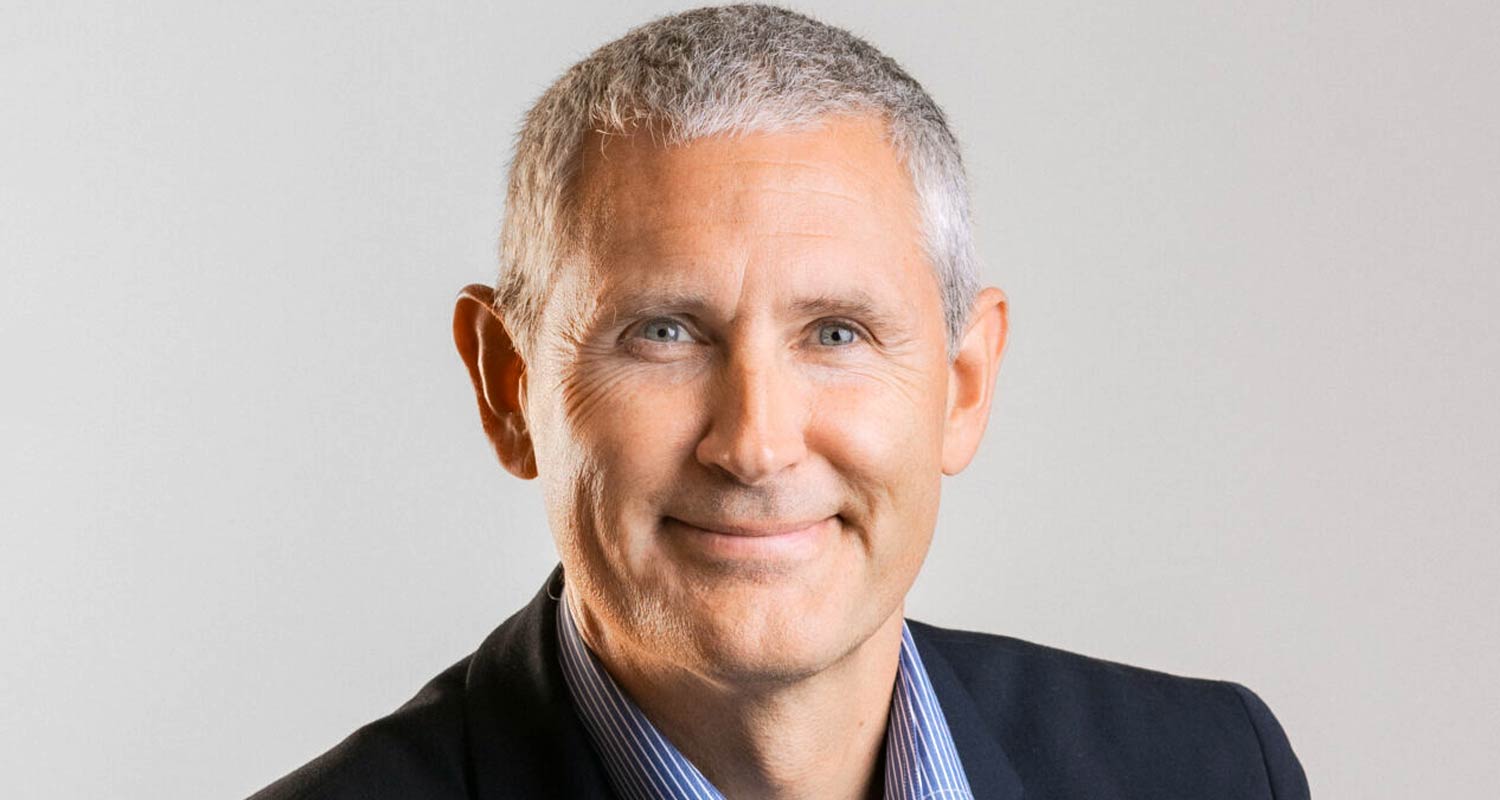
“Rules or taxes that make licensed operators less competitive than offshore sites will push players towards platforms where they have no protection,” CEO Ulrik Bengtsson said on Tuesday. “With government preparing new gambling legislation and national treasury’s tax proposals on the table, now is the right time to have a serious discussion about responsible regulation.”
In a discussion paper published in November 2025, national treasury proposed a 20% national tax on gross gambling revenue from online betting and interactive gambling, levied on top of existing provincial gambling taxes. It said the main aim was to discourage problem gambling rather than raise money, though it estimated the tax would bring in more than R10-billion a year.
The charter, which Sun International says applies to its casinos and its Sunbet online platform, commits the group to:
- Not placing time-dependent broadcast or display gambling advertising between 6am and 8am or between noon and 6pm, which it says goes beyond regulatory requirements;
- Devoting 10% of its gaming advertising content to responsible gambling messages;
- Refusing to activate an online account where a customer declares a Sassa social grant or Nsfas funding as their source of income;
- Using data analytics and, where appropriate, AI-supported monitoring from 2027 to flag players who may be at risk, with people reviewing every automated alert; and
- Seeking certification from an internationally recognised responsible gambling body and setting up an annual independent audit.
No legal duty
“The charter informs players what they can expect from us and gives them a way to hold us to account,” Bengtsson said.
The document itself is a little more guarded. Its disclaimer describes it as a voluntary public statement that creates no legal duty of care and no legally enforceable obligations to any player. To the fullest extent the law allows, Sun International accepts no liability for harm arising from a player’s decision to gamble or from reliance on anything in the charter.
Some of the commitments are also narrower than they first appear. For example, the watershed covers only time-dependent broadcast and display advertising. Social media, search, websites, push notifications and e-mail fall under separate “age-targeting and audience-composition standards” that the charter does not spell out, and evenings are untouched. Treasury’s paper, citing the World Health Organisation, noted that gambling has been normalised through commercial associations with sport and cultural activities that are now heavily promoted.

The group will report to the board’s social and ethics committee on four measures linked to the executive performance scorecard: player protection, training, responsible marketing, and compliance and certification. The charter says specific targets “may be set out” in the group’s internal responsible gambling policy, and the measures it lists count activity, such as the number of players using safety tools, rather than measure harm.
Bengtsson said the protections end where the licensed market does. “We can improve our own standards, but we cannot protect people who gamble with unlicensed operators.” — © 2026 NewsCentral Media