
In South Africa, membership of the quirkiest club in global central banking just lost some of its cachet. The Reserve Bank is one of a handful around the world still owned by shareholders, and that eccentric structure
In South Africa, membership of the quirkiest club in global central banking just lost some of its cachet. The Reserve Bank is one of a handful around the world still owned by shareholders, and that eccentric structure
South Africa’s graft ombudsman has suggested changes to the nation’s constitution to amend the Reserve Bank’s primary objective of protecting the value of the currency. The chairman of parliament’s justice committee
South Africa’s inflation rate fell within the central bank’s target band in April for the first time in eight months, reinforcing chances that the rate-increase cycle may have come to an end
South African inflation is under control and the central bank will maintain a policy to keep it low to protect the poor and ease inequality, Reserve Bank governor Lesetja Kganyago said. Pursuing other priorities

The South African Reserve Bank is open to issuing a national digital currency, which would likely be based on blockchain or distributed ledger technology. “If we go the route of issuing a digital currency, the objective would be to take
The South African Reserve Bank kept borrowing costs unchanged for a fifth straight meeting even as inflation forecasts worsened. The Monetary Policy Committee unanimously decided to leave the benchmark repurchase rate at

South African Reserve Bank governor Lesetja Kganyago has expressed openness to blockchain technologies which underlie cryptocurrencies like bitcoin. Blockchain technology acts as a digital distributed ledger
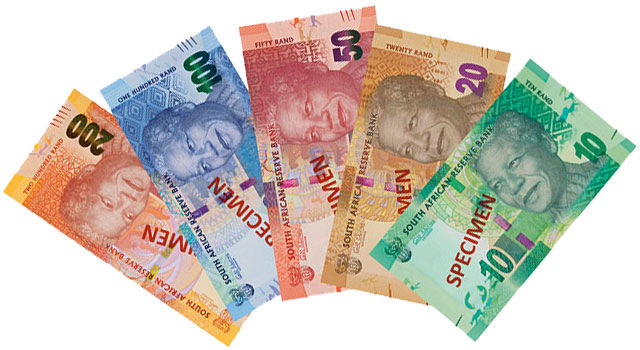
The currency that was forecast to perform the worst in emerging markets this year is also the one benefiting most from the clamour to boost returns in the wake of the UK’s Brexit vote. The rand has strengthened
A record run of recorded inflows into South African stocks were the result of a programming error, with foreign investors in fact selling more shares than they bought over the period, the country’s stock exchange said. Rather than spending
South Africa’s economy is in a low-growth trap and the central bank is unable to assist its recovery, according to governor Lesetja Kganyago. “We are concerned about what has been happening with the growth outlook,” Kganyago