Close Menu
TechCentralTechCentral

    Subscribe to the newsletter

    Get the best South African technology news and analysis delivered to your e-mail inbox every morning.

    Facebook X (Twitter) YouTube LinkedIn
    WhatsApp Facebook X (Twitter) LinkedIn YouTube
    TechCentralTechCentral
    • News
      Solly Malatsi stakes South Africa's AI future on staying neutral

      Solly Malatsi stakes South Africa’s AI future on staying neutral

      5 August 2026
      JSE triples software spend in push for digital marketplace - Valdene Reddy

      JSE triples software spend in push for digital marketplace

      5 August 2026
      Capitec agrees to open Capitec Pay to rivals in Walletdoc deal

      Capitec agrees to open Capitec Pay to rivals in Walletdoc deal

      5 August 2026
      Icasa promises business as usual through strike

      Icasa promises business as usual through strike

      5 August 2026
      Starlink wants to be your next mobile operator

      Starlink wants to be your next mobile operator

      5 August 2026
    • World
      Meta AI will now tell parents if their teen is in crisis

      Meta AI will now tell parents if their teen is in crisis

      17 July 2026
      IBM shares crash 25% as AI upends software spending - Arvind Krishna

      IBM shares crash 25% as AI upends software spending

      15 July 2026
      Jony Ive's first OpenAI device: an AI smart speaker - Jony Ive and Sam Altman

      Jony Ive’s first OpenAI device: an AI smart speaker

      15 July 2026
      Stripe, Advent in talks to buy PayPal for $53-billion

      Stripe, Advent in talks to buy PayPal for $53-billion

      15 July 2026
      Memory crisis sends smartphone market into steep decline

      Memory crisis sends smartphone market into steep decline

      13 July 2026
    • In-depth
      The plan to stop AI from breaking the world - Google DeepMind CEO Demis Hassabis. Image: John Sears

      The plan to stop AI from breaking the world

      16 July 2026
      The internet has a Strait of Hormuz problem

      The internet has a Strait of Hormuz problem

      15 July 2026
      AI boom sparks rally, frenzy and fear

      AI boom sparks rally, frenzy and fear

      11 June 2026
      Every plug-in hybrid on sale in South Africa, ranked by price - Lamborghini Temerario

      Every plug-in hybrid on sale in South Africa, ranked by price

      7 June 2026
      What Wi-Fi 8 will mean for wireless networks

      What Wi-Fi 8 will mean for wireless networks

      1 June 2026
    • TCS
      TCS+ | Why South African workers must become supervisors of digital labour - Accelera Digital Group Cliff de Wit

      TCS+ | Why South African workers must become supervisors of digital labour

      31 July 2026
      TCS | Rapid deployment rules can't work without municipalities: ACT - Nomvuyiso Batyi

      TCS | Icasa’s rules skip the real bottleneck: ACT

      30 July 2026
      TCS+ | iStore Business on why Apple makes sense for SMEs - Sudesh Pillay and Tamia Nontsikelelo

      TCS+ | iStore Business on why Apple makes sense for SMEs

      30 July 2026
      TCS+ | A smarter approach to cloud for South African businesses - Joel Chacko and Jonathan Oaker

      TCS+ | A smarter approach to cloud for South African businesses

      28 July 2026
      TCS | How Optasia lends billions to people banks can't see - Salvador Anglada

      TCS | How Optasia lends billions to people banks can’t see

      23 July 2026
    • Opinion
      The author, Jannie van Zyl

      Selling vapour is corporate suicide in slow motion

      16 July 2026
      Brazil's online gambling crackdown is a lesson for South Africa

      How Amazon outmanoeuvred Starlink in South Africa

      15 July 2026
      The Popia problem with agentic AI - Herman Haasbroek

      The Popia problem with agentic AI

      14 July 2026
      The author, Fanie van Rooyen

      South Africa can still catch the AI wave – here’s how

      7 July 2026
      The author, Fanie van Rooyen

      The AI utopia South Africa can’t afford

      1 July 2026
    • Company Hubs
      • 1Stream
      • Africa Data Centres
      • AfriGIS
      • Altron Digital Business
      • Altron Document Solutions
      • Altron Group
      • Arctic Wolf
      • Ascent Technology
      • AvertITD
      • BBD
      • Braintree
      • CallMiner
      • CambriLearn
      • CM Telecom
      • Contactable
      • CYBER1 Solutions
      • Digicloud Africa
      • Digimune
      • Domains.co.za
      • ESET
      • Euphoria Telecom
      • HOSTAFRICA
      • Incredible Business
      • iONLINE
      • IQbusiness
      • Iris Network Systems
      • Kaspersky
      • LSD Open
      • Mitel
      • NEC XON
      • Netstar
      • Network Platforms
      • Next DLP
      • Ovations
      • Paracon
      • Paratus
      • Q-KON
      • SevenC
      • SkyWire
      • Solid8 Technologies
      • Telit Cinterion
      • Telviva
      • Tenable
      • Vertiv
      • Videri Digital
      • Vodacom Business
      • Vox
      • Wipro
      • Workday
      • XLink
    • Sections
      • AI and machine learning
      • Banking
      • Broadcasting and Media
      • Cloud services
      • Contact centres and CX
      • Cryptocurrencies
      • Education and skills
      • Electronics and hardware
      • Energy and sustainability
      • Enterprise software
      • Financial services
      • HealthTech
      • Information security
      • Internet and connectivity
      • Internet of Things
      • Investment
      • IT services
      • Lifestyle
      • Policy and regulation
      • Public sector
      • Retail and e-commerce
      • Satellite communications
      • Science
      • SMEs and start-ups
      • Social media
      • Talent and leadership
      • Telecoms
      • Watts & Wheels
    • Events
    • Advertise
    TechCentralTechCentral
    Home » In-depth » The great crypto crash: the fallout, and what happens next

    The great crypto crash: the fallout, and what happens next

    By Duncan McLeod22 June 2022
    Twitter LinkedIn Facebook WhatsApp Email Telegram Copy Link
    News Alerts
    WhatsApp
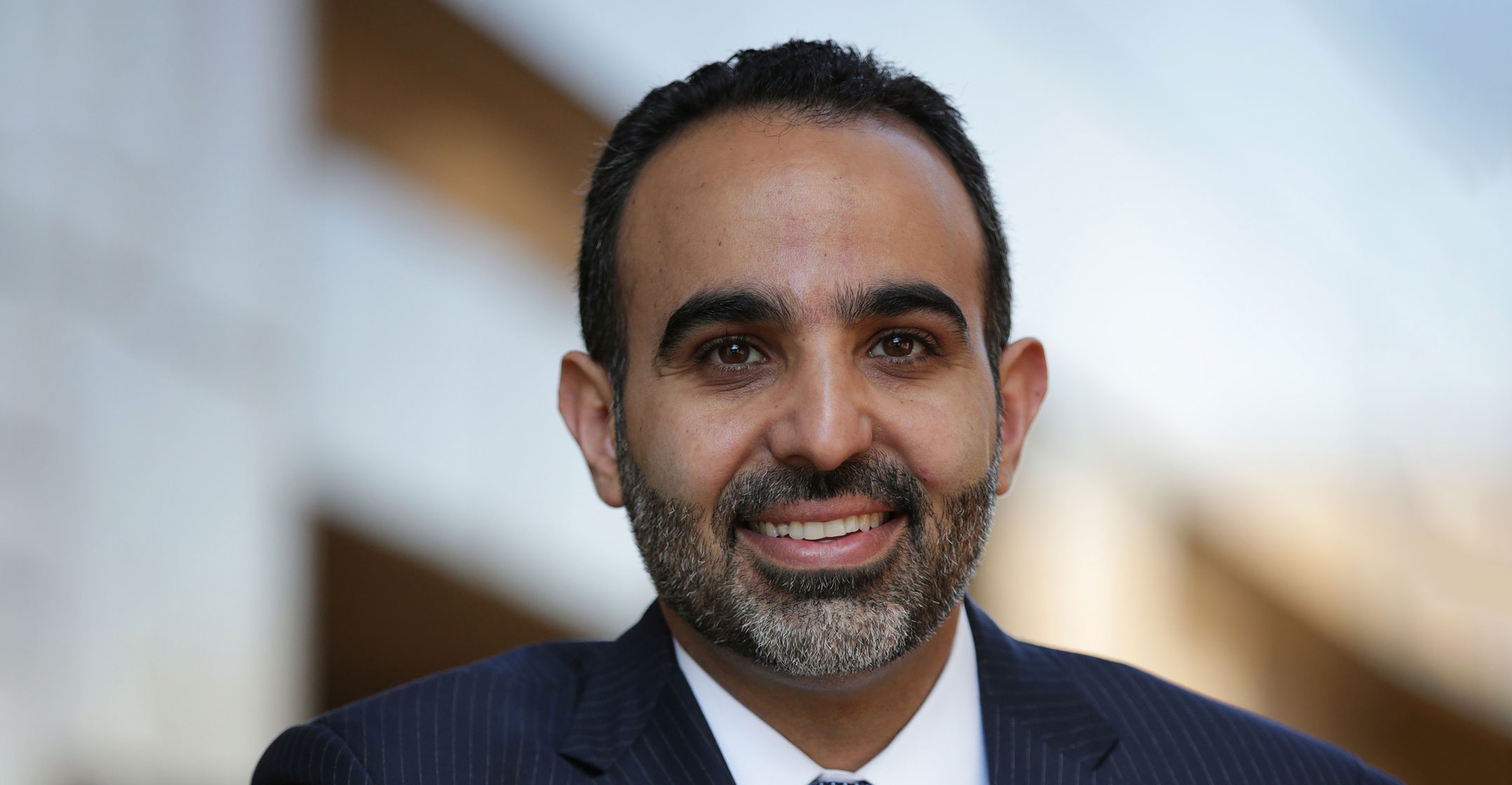
    VALR CEO Farzam Ehsani

    The collapse in the price of cryptocurrencies in recent weeks has been brutal, but the CEOs of two of the country’s largest crypto exchanges believe the fundamental underpinnings of the industry are still strong and that, in time, crypto prices will rebound.

    Sean Sanders, CEO of Cape Town-based Revix, and Farzam Ehsani, CEO of Johannesburg-based VALR, both say the industry will emerge stronger on the other side of the current tumult. However, it might take quite some time for crypto prices to rise again – in other words, the “crypto winter” may not be over for a while.

    Sanders says events in recent weeks have led to “contagion”, and that both retail and institutional investors have been “spooked” by slumping asset prices.

    I’d say that over the last four years, we’ve taken 10 steps forward; this has just taken us four steps back

    The destruction in value has been astonishing, with the total value of all crypto coins falling below US$900-billion – from north of $3-trillion at the market peak in 2021.

    One market-shaking event after another – starting with the collapse of Luna and its associated stablecoin, UST– has piled the pressure on crypto prices, Sanders says.

    “There has been a lot of credibility lost over the last three to four weeks. It all started with the Luna collapse, and then [crypto-lending firm] Celsius freezing withdrawals, and more recently [the crisis at crypto hedge fund] Three Arrows Capital [which failed in June to meet its margin calls]. It’s probably only a matter of time until we see further contagion,” he says.

    As a result of the chaos, he says, many of the institutional investors that Revix assists have taken a wait-and-see approach to investing further into crypto assets. “They are waiting for the dust to settle before re-entering the market.”

    ‘Flushed out’

    The turmoil, Sanders says, will ultimately lead to “harsher” regulations, especially around stablecoins. “I expect to see a flood of new regulations in both the local and international markets, which could ultimately end up being a net positive.”

    However, the crash – and the problems that caused the contagion – “does not build long-term trust in this new monetary system”.

    “We’ve taken a couple of steps back. I’d say that over the last four years, we’ve taken 10 steps forward; this has just taken us four steps back.”

    Many smaller players, both in South Africa and worldwide, will be “flushed out” now. This includes crypto companies as well as investors. Already, trading volumes on Revix’s exchange have declined by about 30%. However, Sanders says trading is still “pretty robust” given the scale of what’s happened. Revix’s monthly churn rates also remain low at about 1.5%, suggesting investors are “HODLing” – crypto-speak for investing for the long term.

    “Crypto will become a bit quieter over the next few months as the dust settles after what has been a crazy period. Having said that, it’s during these periods that the building takes place,” Sanders says. “After the 2018 crash, it took until 2020 until we really started to see the market moving up again. Throughout that period, there was an insane amount of building happening. The same is going to happen again now.”

    Revix CEO Sean Sanders

    Several leading indicators support this view, he says. One is that a record number of software engineers have entered the crypto space in the recent past. Secondly, venture capital has poured into the sector – and that must lead to further development. And lastly, regulators – although they could hinder the industry – will ultimately provide much-needed credibility to the sector. “These are all fundamentally positive developments,” Sanders says.

    Ehsani, meanwhile, says the sharp declines in cryptocurrency prices in recent months are directly correlated to the end of ultra-easy monetary policy from central banks like the US Federal Reserve as they move to fight soaring inflation.

    “The cost of capital has been artificially low over the past few years, and indeed since the Great Financial Crisis over a decade ago,” Ehsani says. “This has resulted in our financial system being awash with liquidity which has found its way into financial assets, including cryptocurrencies. Now that this liquidity is also showing up in the traditional measures of inflation — including CPI — central banks are responding by unwinding the accommodative monetary policy put in place over the last few years.

    “As quantitative easing slows and interest rates start to increase, valuations of financial assets start to drop. And as financial markets anticipate the actions of central banks to slow the rise in prices, many financial asset holders head for the doors — no one wanting to be last holding the bag. This thought process acts as a self-fulfilling prophecy.”

    This asset class, while holding tremendous potential for the future of humanity’s financial system, is still in its early days

    He says volatility is not new to crypto – in fact, volatility has been the hallmark of the asset class since its creation a little over a decade ago in the wake of the financial crisis.

    “They have been seen as ‘risk-on’ assets and as such have moved in tandem with traditional ‘risk-on’ assets such as equities, albeit with much more volatility,” Ehsani says.

    “It should be noted that the cryptocurrency industry is literally in its teens and as such comes with the vigour and tumult of what this age is associated with in humans. There has been a lot of experimentation of new types of protocols — such as algorithmic stablecoins — as well as business models in the crypto space. We’ve recently seen a couple of these experiments fail, bringing increased market movements to this industry. I anticipate this volatility to continue and repeat my caution that this asset class, while holding tremendous potential for the future of humanity’s financial system, is still in its early days.”

    He says VALR is well protected against the current storm. “We have always remained lean, and we’re lucky to be in a financial position where we are still hiring and fortifying our foundation as a young company.”

    Fundamentals

    The worst of the current cycle may yet be coming, Ehsani says, but the “fundamentals of what bitcoin and cryptocurrencies can offer the world — a censorship-resistant, global digital financial network — have not changed”.

    Like Sanders, Ehsani believes the industry will “keep building during this crypto winter and will emerge on the other side even stronger and with more to offer the world”.

    Asked when he expects the crypto winter to end, Sanders says it could be anything from six months to, “worst case”, two years.

    “There’s still another six to nine months of interest rate hikes coming. A lot of that is priced into the market already … but the markets could easily go down another 25% just as easily as they could go up another 25%. It’s going to be a very volatile few months.”

    And in time, cryptos like bitcoin could start to serve as something of a hedge against inflation, Sanders says. This clearly hasn’t happened yet, but there is still the potential for this to happen, even in the current cycle. “It’s going to be about how this asset class finishes this inflation period, and not how it started it.”

    Ehsani echoes this view. “Many in this space view cryptocurrencies such as bitcoin as inflation hedges and expect a decoupling of this asset class against other ‘risk-on’ assets in the future. Whether this comes to pass, only time will tell.”  — © 2022 NewsCentral Media

    Follow TechCentral on Google News Add TechCentral as your preferred source on Google


    Bitcoin Celsius Farzam Ehsani Revix Sean Sanders Three Arrows Capital VALR
    WhatsApp YouTube
    Share. Facebook Twitter LinkedIn WhatsApp Telegram Email Copy Link
    Previous ArticleWinter 1, Eskom 0
    Next Article Calabrio paves way for SA’s cloud contact centre WFO journey alongside AWS

    Related Posts

    VALR hits back at proposed cross-border crypto ban - Farzam Ehsani

    VALR hits back at proposed cross-border crypto ban

    4 August 2026
    SA companies could face cross-border crypto ban

    SA companies could face cross-border crypto ban

    3 August 2026
    Bitcoin at $65 000: stalled, or simply early?

    Bitcoin at $65 000: stalled, or simply early?

    22 July 2026
    Company News
    South Africa agrees on a shared language for location - AfriGIS

    South Africa agrees on a shared language for location

    5 August 2026
    IUX brings its trading platform to South Africa

    IUX brings its trading platform to South Africa

    5 August 2026
    Paratus Namibia takes resilient connectivity to Mining Expo 2026 - Cherica Levin and Christo van Wyk

    Paratus Namibia takes resilient connectivity to Mining Expo 2026

    5 August 2026
    Opinion
    The author, Jannie van Zyl

    Selling vapour is corporate suicide in slow motion

    16 July 2026
    Brazil's online gambling crackdown is a lesson for South Africa

    How Amazon outmanoeuvred Starlink in South Africa

    15 July 2026
    The Popia problem with agentic AI - Herman Haasbroek

    The Popia problem with agentic AI

    14 July 2026

    Subscribe to Updates

    Get the best South African technology news and analysis delivered to your e-mail inbox every morning.

    Latest Posts
    Solly Malatsi stakes South Africa's AI future on staying neutral

    Solly Malatsi stakes South Africa’s AI future on staying neutral

    5 August 2026
    JSE triples software spend in push for digital marketplace - Valdene Reddy

    JSE triples software spend in push for digital marketplace

    5 August 2026
    Capitec agrees to open Capitec Pay to rivals in Walletdoc deal

    Capitec agrees to open Capitec Pay to rivals in Walletdoc deal

    5 August 2026
    Icasa promises business as usual through strike

    Icasa promises business as usual through strike

    5 August 2026
    © 2009 - 2026 NewsCentral Media
    Built and maintained by Chronon
    • Cookie policy (ZA)
    • TechCentral – privacy and Popia

    Type above and press Enter to search. Press Esc to cancel.

    Manage consent

    TechCentral uses cookies to enhance its offerings. Consenting to these technologies allows us to serve you better. Not consenting or withdrawing consent may adversely affect certain features and functions of the website.

    Functional Always active
    The technical storage or access is strictly necessary for the legitimate purpose of enabling the use of a specific service explicitly requested by the subscriber or user, or for the sole purpose of carrying out the transmission of a communication over an electronic communications network.
    Preferences
    The technical storage or access is necessary for the legitimate purpose of storing preferences that are not requested by the subscriber or user.
    Statistics
    The technical storage or access that is used exclusively for statistical purposes. The technical storage or access that is used exclusively for anonymous statistical purposes. Without a subpoena, voluntary compliance on the part of your Internet Service Provider, or additional records from a third party, information stored or retrieved for this purpose alone cannot usually be used to identify you.
    Marketing
    The technical storage or access is required to create user profiles to send advertising, or to track the user on a website or across several websites for similar marketing purposes.
    • Manage options
    • Manage services
    • Manage {vendor_count} vendors
    • Read more about these purposes
    View preferences
    • {title}
    • {title}
    • {title}