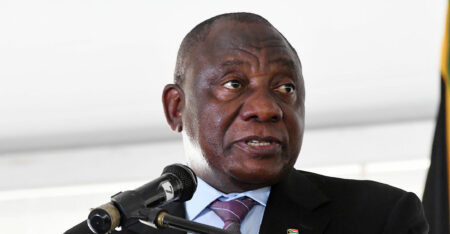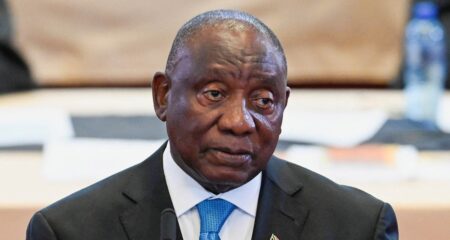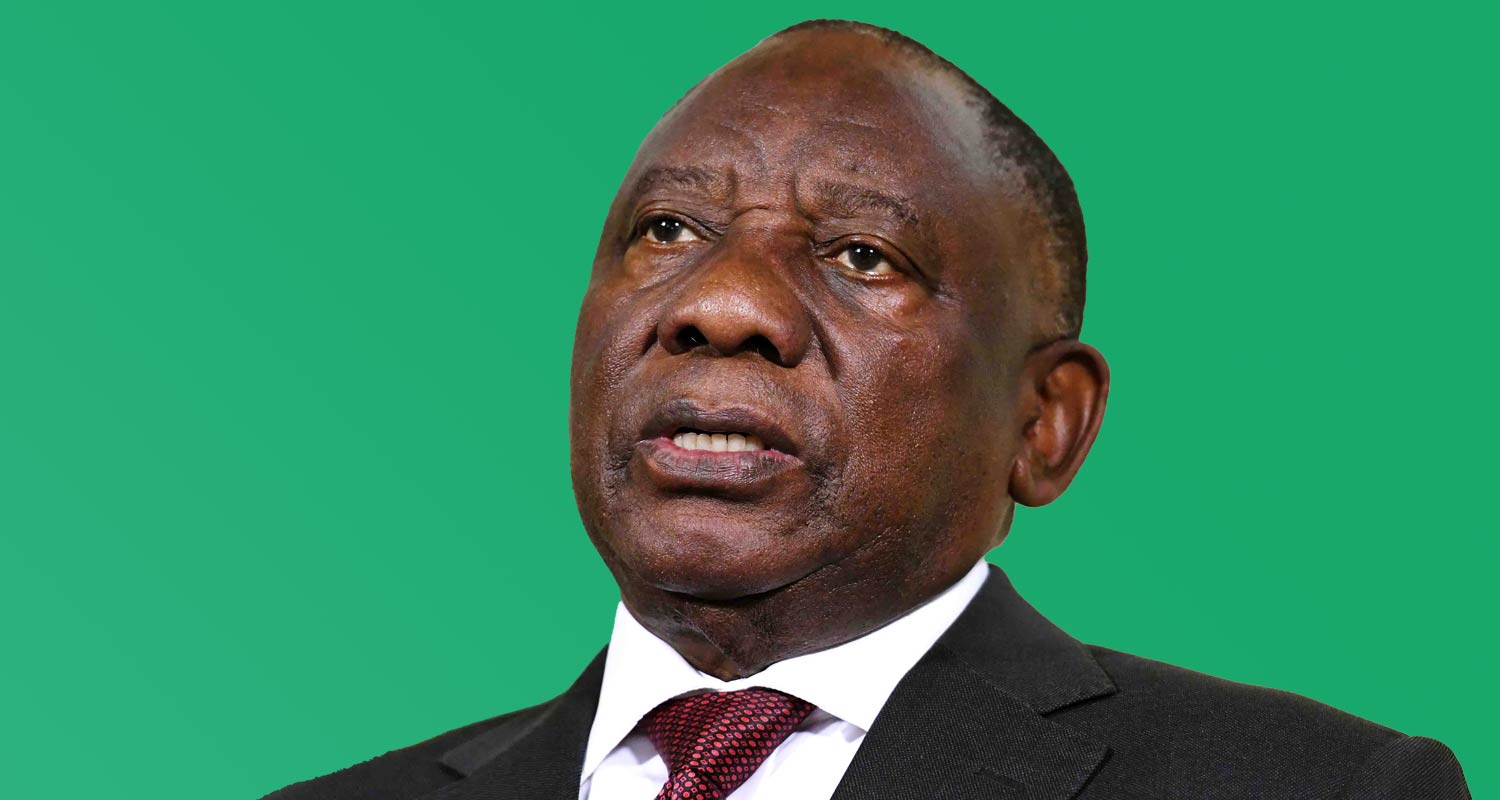
President Cyril Ramaphosa’s state of the nation address on Thursday evening covered vast ground, from the deployment of the military to combat gang violence in the Western Cape and Gauteng to a national water crisis committee modelled on the energy crisis response.
But buried within the wide-ranging speech were several significant commitments directly relevant to South Africa’s technology sector.
These include plans to transform the country’s energy system, attract billions of rands in data centre investment, roll out digital identity systems, establish specialised commercial courts, and harness artificial intelligence and data analytics in the fight against organised crime.
Ramaphosa also outlined plans for independent electricity transmission projects, reaffirmed a 150% tax deduction for electric vehicle investment and the digitisation of a range of government services.
Below, TechCentral has extracted the technology-related portions of the president’s address in full, covering energy and electricity reform, digital infrastructure, AI and data analytics, digital government services, and the broader green economy.
Energy and electricity
“We have brought an end to load shedding and built a more dynamic and resilient energy system. Having put load shedding behind us, we must now transform our energy system to ensure long-term energy security. For decades, our economy grew on the back of cheap electricity. But then state capture, mismanagement, inadequate maintenance and inflated megaprojects drove up the cost of electricity to businesses and our citizens.
“Now, with the far-reaching changes we are making to the sector and with our abundant solar and wind resources, we will be able to drive down the cost of electricity.
Read: Toyota SA CEO: NEV inaction will cost South Africa its motoring industry
“Regulatory changes have enabled a massive and growing pipeline of investment in renewable energy. By 2030, more than 40% of our energy supply will come from cheap, clean, renewable energy sources.
“We are establishing a level playing field for competition, so that we are never again exposed to the risk of relying on a single supplier to meet our energy needs. We are restructuring Eskom and establishing a fully independent state-owned transmission entity. This entity will have ownership and control of transmission assets and be responsible for operating the electricity market.
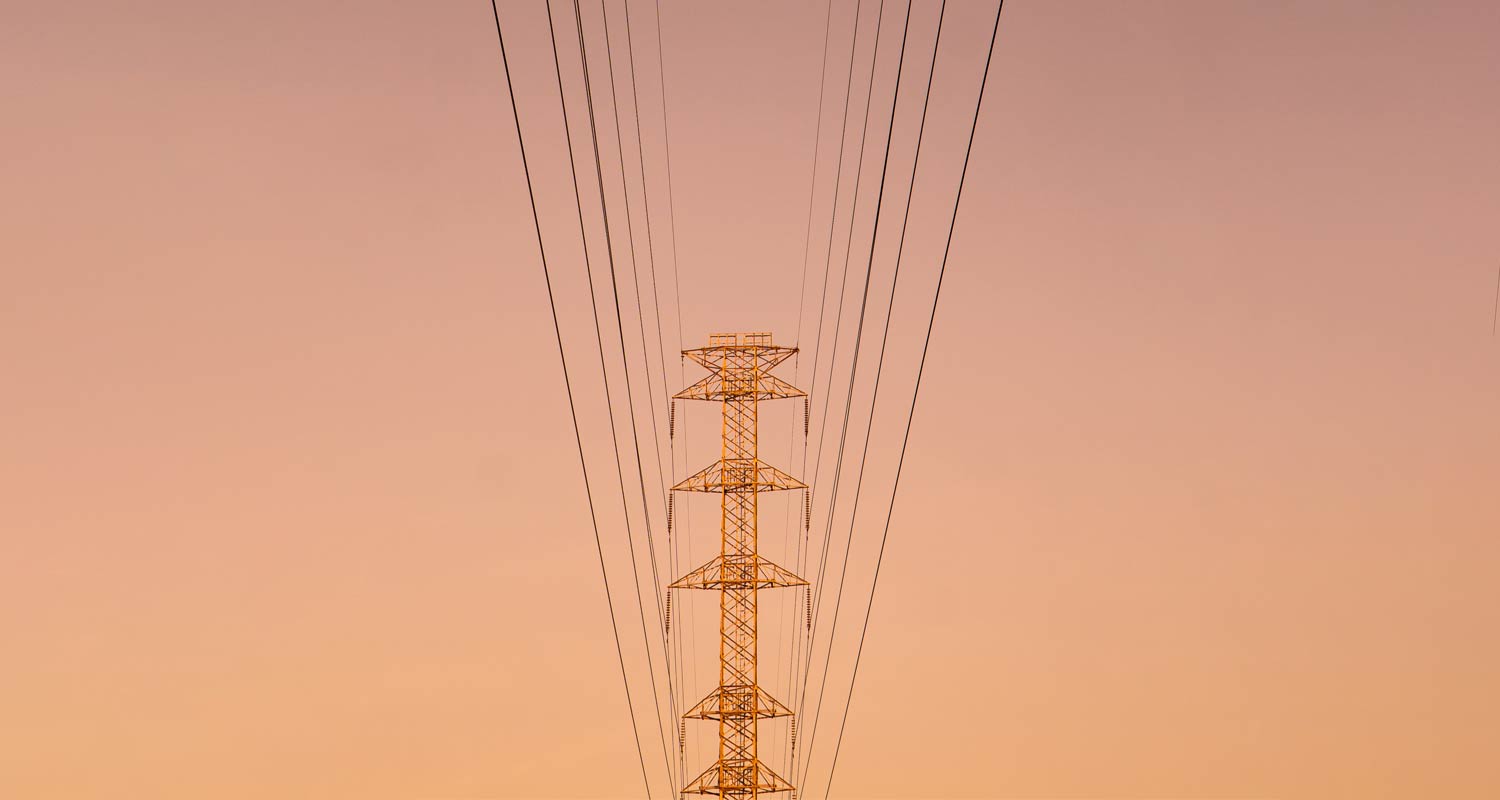
“Given the importance of this restructuring for the broader reform of the electricity sector, I have established a dedicated task team under the National Energy Crisis Committee to address various issues relating to the restructuring process, including clear timeframes for its phased implementation. It will report to me within three months.
“In addition, we will this year commence the first round of independent transmission projects to enable private investment in expanding our national grid. We will work in each province to address transformer overloading, illegal connections and equipment failure with the objective of eradicating load reduction by next year.
“We are committed to the path that we have embarked on to modernise our energy system.”
AI, data analytics and the fight against crime
“Our primary focus this year is on stepping up the fight against organised crime and criminal syndicates, using technology, intelligence and integrated law enforcement. We are also addressing the threat posed by the infiltration of illegal and counterfeit goods to South African jobs and industry.
“We are establishing a national illicit economy disruption programme that brings together key state agencies and other stakeholders, including the private sector. Through effective use of data analytics and AI, we will be targeting high-risk sectors like tobacco, fuel, alcohol and other counterfeit products.”
Digital infrastructure and data centres
“These include the digital and the green economy where young people will find employment opportunities. Through the Infrastructure Fund and new regulations for public-private partnerships, we are using innovative funding models, reducing risk and attracting investors to fast-track projects in energy, water, transport and digital infrastructure.
“Our services sector, from digital technology to financial services, is growing. Our financial institutions are some of the best in the world and they have the ability to compete in Africa and across the globe. We are attracting major investment in digital infrastructure, with 55 data centres already built and more than R50-billion of investment expected over the next three years.”
Green economy and electric vehicles
“The biggest opportunity of all lies in green growth. We are pivoting our economy to be a leading supplier of the products which the world will rely on in decades to come. We are expanding support for the manufacturing of green products for global markets, from fertiliser to jet fuel, chemicals to steel.
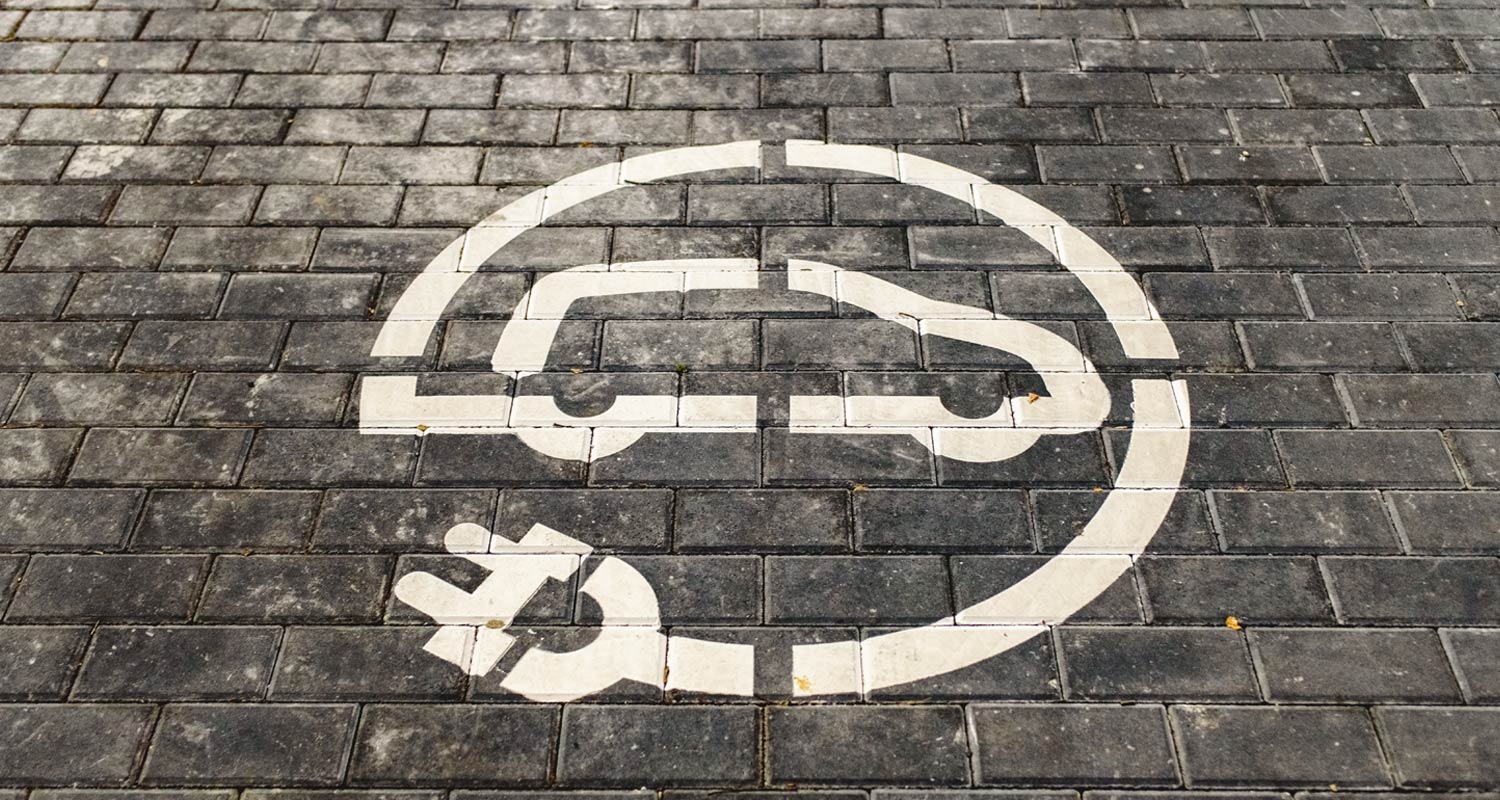
“From March this year, we will introduce a 150% tax deduction for investment in new energy vehicles, while supporting the local production of batteries.
“International pledges to the Just Energy Transition Investment Plan now stand at approximately R250-billion. This is financing large-scale investment in manufacturing, infrastructure and skills.”
Critical minerals and mining technology
“South Africa has some of the world’s largest reserves of critical minerals. Our ore reserves are valued at more than R40-trillion, making mining a sunrise industry.
“After many years of declining investment in exploration, we are dedicating funds towards geological mapping and exploration to harness our critical mineral reserves.
Read: Why South Africa is missing the tech minerals boom
“Just this week, the Industrial Development Corporation announced more than R300-million in funding for the Frontier Rare Earths Project in the Northern Cape. This has the potential to become one of the world’s largest and lowest cost new producers of minerals that are needed for smartphones, lithium batteries and other products.”
Digital government and the MyMzansi platform
“We will harness digital transformation as a driver of growth, inclusion and effective service delivery. This year, home affairs will launch the digital ID to enable safe and secure use of digital services for all South Africans.
“We will digitise driving licences, matric certificates and services at the Master’s Office. Citizens will be able to fill out police statements online and eligibility for Sassa grants can be tested remotely. All these services will be made available on the MyMzansi platform. Soon, every South African will be able to access many of the services they need without visiting a government office or filling out manual forms.
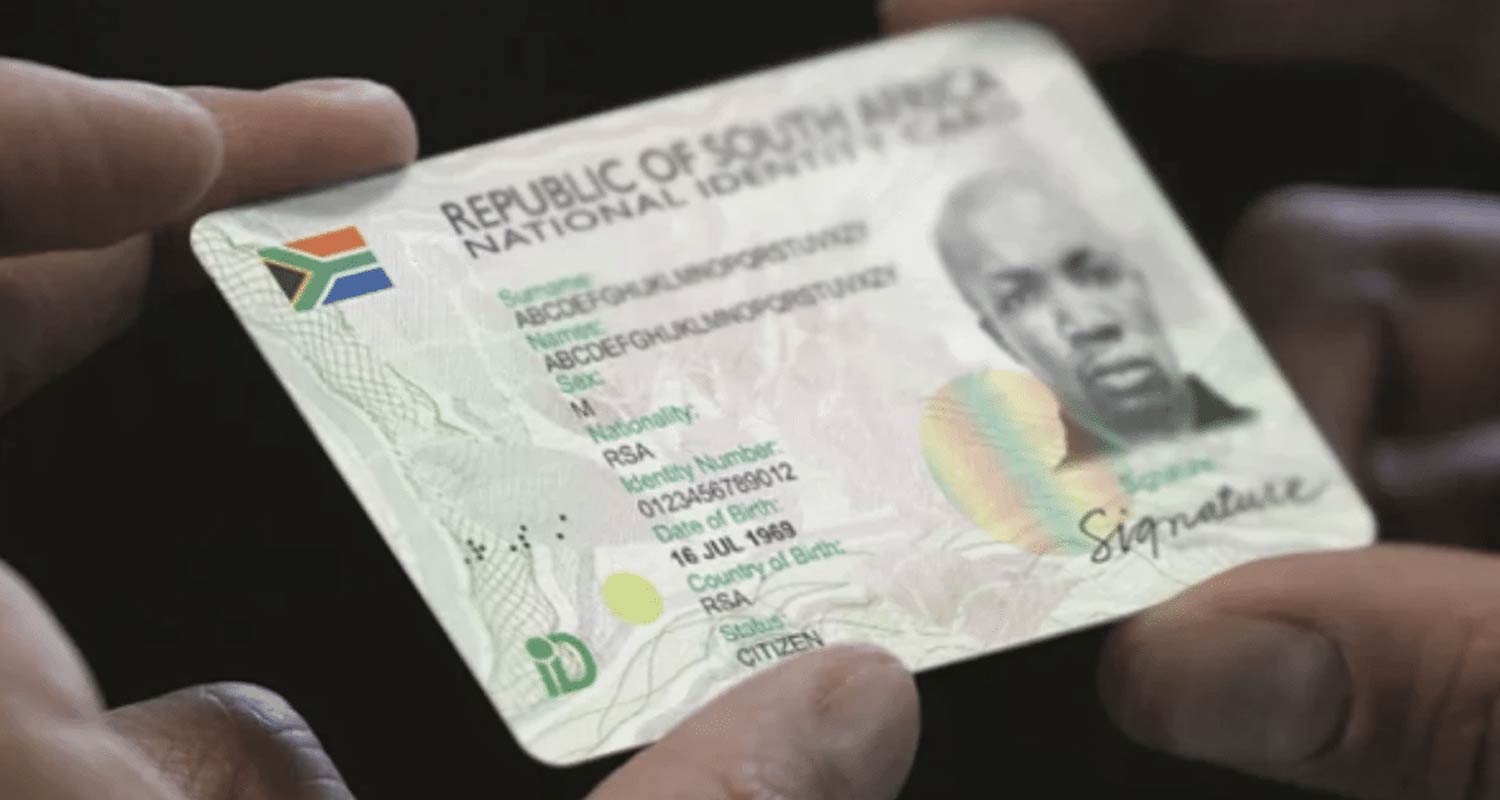
“This year alone, hundreds more bank branches will now offer smart ID and passport services, decreasing queues and waiting times.
“We will also work with civil society to ensure that citizen’s protections and rights are safeguarded through this digital revolution.”
Border technology
“This year, we will take additional steps to secure our borders. Funding to strengthen border security will be prioritised, covering infrastructure, technology and people. We are already using drones and technology to greater effect all along our border line.
“In the coming year, we will extend the Electronic Travel Authorisation system to all countries that require a visa, enabling applications for tourists to be processed digitally within 24 hours.” — © 2026 NewsCentral Media
Get breaking news from TechCentral on WhatsApp. Sign up here.