
Close Menu
TechCentralTechCentral

    Subscribe to the newsletter

    Get the best South African technology news and analysis delivered to your e-mail inbox every morning.

    Facebook X (Twitter) YouTube LinkedIn
    WhatsApp Facebook X (Twitter) LinkedIn YouTube
    TechCentralTechCentral
    • News
      AI won't kill SaaS - but it will reshape it, software CEOs say

      AI won’t kill SaaS – but it will reshape it, software CEOs say

      17 March 2026
      Nvidia targets $1-trillion in AI chip sales as inference demand surges - Jensen Huang

      Nvidia targets $1-trillion in AI chip sales as inference demand surges

      17 March 2026
      West Africa delivers big for MTN Group - Ralph Mupita

      West Africa delivers big for MTN Group

      16 March 2026
      MTN initiates share buyback programme

      MTN initiates share buyback programme

      16 March 2026
      Your Airbnb is empty half the year - this SA start-up has a fix

      Your Airbnb is empty half the year – this SA start-up has a fix

      16 March 2026
    • World
      Peter Thiel's secretive Rome conference draws Church attention

      Peter Thiel’s secretive Rome conference draws Church attention

      16 March 2026
      Musk launches Macrohard in cheeky nod to Microsoft - Elon Musk

      Musk launches Macrohard in cheeky nod to Microsoft

      12 March 2026
      Europe is building an alternative to Microsoft Office

      Europe is building an alternative to Microsoft Office

      11 March 2026
      Microsoft bets on Anthropic as it loosens ties with OpenAI

      Microsoft bets on Anthropic as it loosens ties with OpenAI

      10 March 2026
      World hit by worst oil shock since the 1970s

      World hit by worst oil shock since the 1970s

      9 March 2026
    • In-depth
      The last generation of coders

      The last generation of coders

      18 February 2026
      Sentech is in dire straits

      Sentech is in dire straits

      10 February 2026
      How liberalisation is rewiring South Africa's power sector

      How liberalisation is rewiring South Africa’s power sector

      21 January 2026
      The top-performing South African tech shares of 2025

      The top-performing South African tech shares of 2025

      12 January 2026
      Digital authoritarianism grows as African states normalise internet blackouts

      Digital authoritarianism grows as African states normalise internet blackouts

      19 December 2025
    • TCS
      TCS+ | Vox Kiwi: a wireless solution promising a fibre-like experience - Theo van Zyl

      TCS+ | Vox Kiwi: a wireless solution promising a fibre-like experience

      13 March 2026
      TCS+ | Flipping the narrative on AI in the Global South - Josefin Rosén

      TCS+ | Flipping the narrative on AI in the Global South

      13 March 2026
      TCS | Sink or swim? Antony Makins on how AI is rewriting the rules of work

      TCS | Sink or swim? Antony Makins on how AI is rewriting the rules of work

      5 March 2026
      TCS+ | Bolt ups the ante on platform safety - Simo Kalajdzic

      TCS+ | Bolt ups the ante on platform safety

      4 March 2026
      Watts & Wheels S1E4: 'We drive an electric Uber'

      Watts & Wheels S1E4: ‘We drive an electric Uber’

      10 February 2026
    • Opinion
      South Africa's energy future hinges on getting wheeling right - Aishah Gire

      South Africa’s energy future hinges on getting wheeling right

      10 March 2026
      Hold the doom: the case for a South African comeback - Duncan McLeod

      Apple just dropped a bomb on the Windows world

      5 March 2026
      VC's centre of gravity is shifting - and South Africa is in the frame - Alison Collier

      VC’s centre of gravity is shifting – and South Africa is in the frame

      3 March 2026
      Hold the doom: the case for a South African comeback - Duncan McLeod

      Hold the doom: the case for a South African comeback

      26 February 2026
      The AI fraud crisis your bank is not ready for - Andries Maritz

      The AI fraud crisis your bank is not ready for

      18 February 2026
    • Company Hubs
      • 1Stream
      • Africa Data Centres
      • AfriGIS
      • Altron Digital Business
      • Altron Document Solutions
      • Altron Group
      • Arctic Wolf
      • AvertITD
      • Braintree
      • CallMiner
      • CambriLearn
      • CYBER1 Solutions
      • Digicloud Africa
      • Digimune
      • Domains.co.za
      • ESET
      • Euphoria Telecom
      • HOSTAFRICA
      • Incredible Business
      • iONLINE
      • IQbusiness
      • Iris Network Systems
      • LSD Open
      • Mitel
      • NEC XON
      • Netstar
      • Network Platforms
      • Next DLP
      • Ovations
      • Paracon
      • Paratus
      • Q-KON
      • SevenC
      • SkyWire
      • Solid8 Technologies
      • Telit Cinterion
      • Tenable
      • Vertiv
      • Videri Digital
      • Vodacom Business
      • Wipro
      • Workday
      • XLink
    • Sections
      • AI and machine learning
      • Banking
      • Broadcasting and Media
      • Cloud services
      • Contact centres and CX
      • Cryptocurrencies
      • Education and skills
      • Electronics and hardware
      • Energy and sustainability
      • Enterprise software
      • Financial services
      • HealthTech
      • Information security
      • Internet and connectivity
      • Internet of Things
      • Investment
      • IT services
      • Lifestyle
      • Motoring
      • Policy and regulation
      • Public sector
      • Retail and e-commerce
      • Satellite communications
      • Science
      • SMEs and start-ups
      • Social media
      • Talent and leadership
      • Telecoms
    • Events
    • Advertise
    TechCentralTechCentral
    Home » Sections » Electronics and hardware » US companies find legal ways around Huawei blacklist

    US companies find legal ways around Huawei blacklist

    By Agency Staff26 June 2019
    Twitter LinkedIn Facebook WhatsApp Email Telegram Copy Link
    News Alerts
    WhatsApp

    American technology companies have resumed selling certain products to Huawei after concluding there are legal ways to work with the Chinese telecommunications giant in spite of its inclusion on a Trump administration blacklist.

    Micron Technology, the largest US maker of computer memory chips, said on Tuesday that it had started shipping some components to Huawei after its lawyers studied export restrictions. Intel, the largest microprocessor maker, has also begun selling to Huawei again, according to a person familiar with the matter. It’s not clear how many other suppliers have reached the same conclusion.

    The US commerce department added Huawei last month to what’s known as an Entity List, a move designed to bar the Chinese company from buying American components and software. The Trump administration said Huawei helps Beijing in espionage and represents a security threat — charges the company denies. Officials at commerce and the White House are frustrated that companies have resumed Huawei shipments, according to another person familiar with the matter. The White House didn’t immediately respond to a request for comment.

    It took them weeks to figure this out. What they did was look at the laws and the rules and applied them to their business

    The chip makers are taking advantage of certain exceptions to the export restrictions. Even when companies have headquarters in the US, they may be able, through ownership of overseas subsidiaries and operations, to classify their technology as foreign, according to Cross Research analyst Steven Fox. If less than 25% of the technology in a chip originates in the US, for example, then it may not be covered by the ban, under current rules.

    “It took them weeks to figure this out,” Fox said. “What they did was look at the laws and the rules and applied them to their business.”

    Micron has operations all over the world, some added through acquisitions, and it owns plants in Singapore, Japan and Taiwan. Intel has factories in China and Ireland and a major design centre and production facility in Israel. The company declined to comment.

    Companies like Micron and Intel can legally continue some shipments to Huawei under what’s known as the de minimis rule, says Kevin Wolf, former head of the commerce department’s export control section.

    ‘National security’

    “Commodities made overseas from US-origin technology are only subject to the Entity List prohibitions if the technology and commodity are sensitive items controlled for ‘national security’ reasons,” Wolf said. “But a commodity made overseas from less sensitive US-origin technology is not subject to the Entity List prohibitions.”

    The de minimis threshold is 25%, according to the commerce department.

    National security hawks in the Trump administration thought that inclusion on the Entity List would ratchet up pressure on Huawei, but they didn’t understand or misinterpreted the existing rules, people familiar with internal deliberations said. Those advisers didn’t fully grasp the limits of export controls in constricting supply chains that reach deeply into China.

    Micron CEO Sanjay Mehrotra, in a conference call discussing his company’s earnings, declined to explain his analysis, despite repeated questions. In a brief interview after the call, he also wouldn’t elaborate and said he hopes the US and China quickly resolve their trade dispute.
    The Semiconductor Industry Association trade group put out a statement aimed at supporting its members’ right to keep working with an important customer: “SIA companies are committed to rigorous compliance with US export control regulations. As we have discussed with the US government, it is now clear some items may be supplied to Huawei consistent with the Entity List and applicable regulations.”

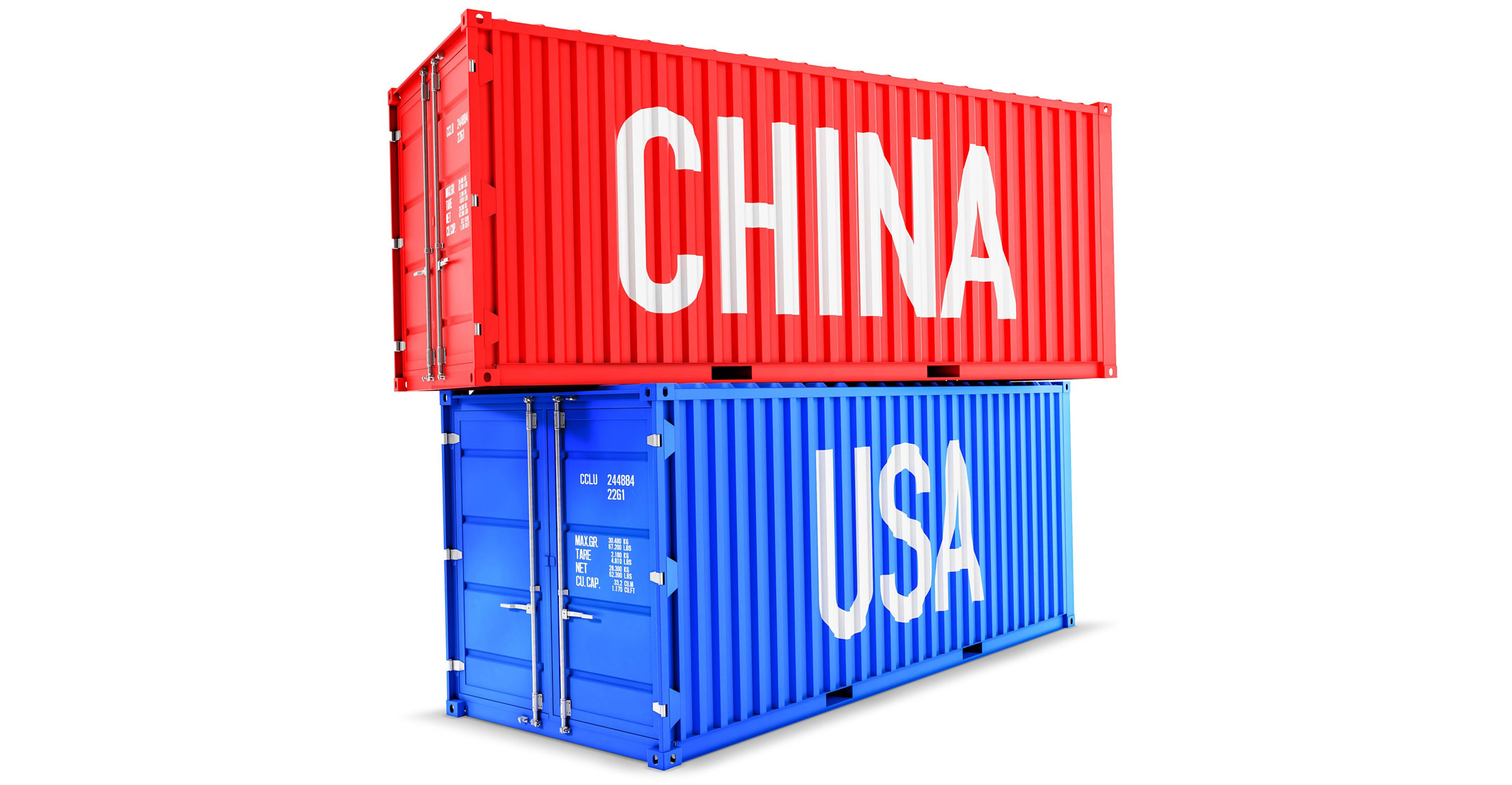
    The trade war and Huawei sanctions put US chip makers in a tough position. They need to comply with new rules in their home country, while at the same time navigating the intricacies of business in China, an increasingly crucial market. More than 60% of the US$470-billion of chips sold last year went through China.

    If Huawei’s American suppliers can resume some sales, that may avoid the detrimental financial impact many have been anticipating. Micron’s stock surged as much as 11% in extended trading.

    Micron will continue to comply with all government and legal requirements just as we do in all our operations globally

    Even though these companies have found ways to legally keep exporting some of their products to Huawei, they are prohibited from providing post-sale support like software updates, repairs or installation help. That means that while an item in a box can be shipped from Taiwan to China, for example, the company still can’t provide information on software repairs or assistance from Silicon Valley. Wolf said that, in his experience, that can be a significant handicap.

    Finding legal ways to sidestep restrictions is taking on added significance for US companies as the Trump administration expands curbs on technology exports to China. Last week, the commerce department blacklisted five Chinese entities over accusations they were developing supercomputers for military applications. Some Chinese video surveillance firms may be barred from US suppliers.

    ‘Cannot predict’

    The commerce department could easily change the definition of what foreign-made items are subject to the regulations. That change wouldn’t require congressional approval, Wolf said. Still, it’s not clear if the Trump administration is looking into making such changes.

    “Micron will continue to comply with all government and legal requirements just as we do in all our operations globally,” said Micron CEO Mehrotra. “Of course, we cannot predict whether additional government actions may further impact our ability to ship to Huawei.”  — Reported by Ian King and Jenny Leonard, (c) 2019 Bloomberg LP

    Follow TechCentral on Google News Add TechCentral as your preferred source on Google


    Huawei Intel Micron Technology
    WhatsApp YouTube
    Share. Facebook Twitter LinkedIn WhatsApp Telegram Email Copy Link
    Previous ArticleGet your own Android app now with Codehesion
    Next Article Why Facebook’s libra could be huge in emerging markets

    Related Posts

    AI is breaking the link between university degrees and employment

    AI is breaking the link between university degrees and employment

    4 March 2026
    Eskom to rationalise AI pilots as costs rise

    Eskom to rationalise AI pilots as costs rise

    2 March 2026
    AI complexity is crippling IT departments - Thomas Meyer

    AI complexity is crippling IT departments

    2 March 2026
    Company News
    When CTEM, AI and a unified attack surface meet - RedRok, Solid8 Technologies

    When CTEM, AI and a unified attack surface meet

    17 March 2026
    Why finance's new KPI is decision speed

    Why finance’s new KPI is decision speed

    17 March 2026
    Why managing your Cisco Enterprise Agreement matters more than signing it

    Why managing your Cisco Enterprise Agreement matters more than signing it

    16 March 2026
    Opinion
    South Africa's energy future hinges on getting wheeling right - Aishah Gire

    South Africa’s energy future hinges on getting wheeling right

    10 March 2026
    Hold the doom: the case for a South African comeback - Duncan McLeod

    Apple just dropped a bomb on the Windows world

    5 March 2026
    VC's centre of gravity is shifting - and South Africa is in the frame - Alison Collier

    VC’s centre of gravity is shifting – and South Africa is in the frame

    3 March 2026

    Subscribe to Updates

    Get the best South African technology news and analysis delivered to your e-mail inbox every morning.

    Latest Posts
    AI won't kill SaaS - but it will reshape it, software CEOs say

    AI won’t kill SaaS – but it will reshape it, software CEOs say

    17 March 2026
    Nvidia targets $1-trillion in AI chip sales as inference demand surges - Jensen Huang

    Nvidia targets $1-trillion in AI chip sales as inference demand surges

    17 March 2026
    When CTEM, AI and a unified attack surface meet - RedRok, Solid8 Technologies

    When CTEM, AI and a unified attack surface meet

    17 March 2026
    Why finance's new KPI is decision speed

    Why finance’s new KPI is decision speed

    17 March 2026
    © 2009 - 2026 NewsCentral Media
    • Cookie policy (ZA)
    • TechCentral – privacy and Popia

    Type above and press Enter to search. Press Esc to cancel.

    Manage consent

    TechCentral uses cookies to enhance its offerings. Consenting to these technologies allows us to serve you better. Not consenting or withdrawing consent may adversely affect certain features and functions of the website.

    Functional Always active
    The technical storage or access is strictly necessary for the legitimate purpose of enabling the use of a specific service explicitly requested by the subscriber or user, or for the sole purpose of carrying out the transmission of a communication over an electronic communications network.
    Preferences
    The technical storage or access is necessary for the legitimate purpose of storing preferences that are not requested by the subscriber or user.
    Statistics
    The technical storage or access that is used exclusively for statistical purposes. The technical storage or access that is used exclusively for anonymous statistical purposes. Without a subpoena, voluntary compliance on the part of your Internet Service Provider, or additional records from a third party, information stored or retrieved for this purpose alone cannot usually be used to identify you.
    Marketing
    The technical storage or access is required to create user profiles to send advertising, or to track the user on a website or across several websites for similar marketing purposes.
    • Manage options
    • Manage services
    • Manage {vendor_count} vendors
    • Read more about these purposes
    View preferences
    • {title}
    • {title}
    • {title}