Netstar has spent this year embedding itself in South African sport. Look closely and what emerges is less a sponsorship strategy than a business genuinely enthusiastic about using an existing capability to solve new and interesting problems.
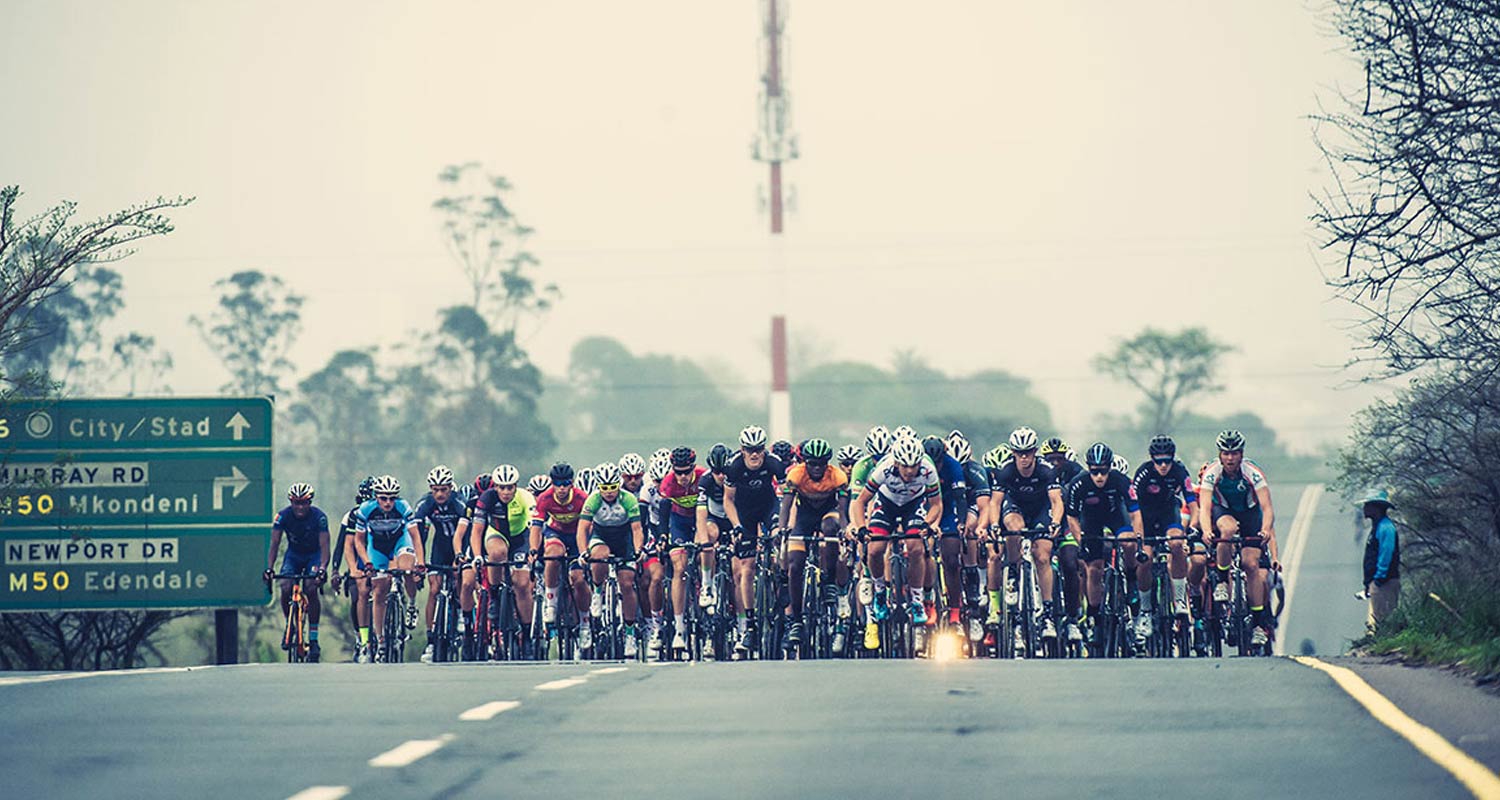
At the Amashova Durban Classic this month, 4 000 cyclists rode a route between Pietermaritzburg and Durban while, somewhere behind the scenes, Netstar deployed live tracking across the entire operational fleet — every lead vehicle, every ambulance, every support crew and repair service, monitored and mobilised in real time.
What’s worth noting is what’s actually being tracked — and it isn’t the cyclists. It’s the infrastructure that keeps them safe. Rider tracking is a consumer feature and a solved problem. Knowing where your ambulances are when a rider goes down on a closed road 40km from the nearest hospital is an operations problem, and it is exactly the problem Netstar has spent decades solving for thousands of companies who happen to call it fleet management.
That distinction runs through everything the company has done in sport this year.
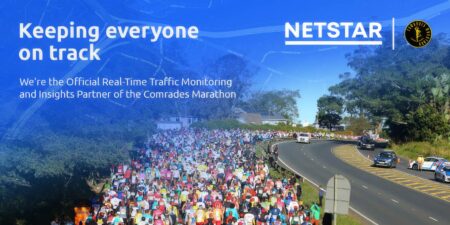
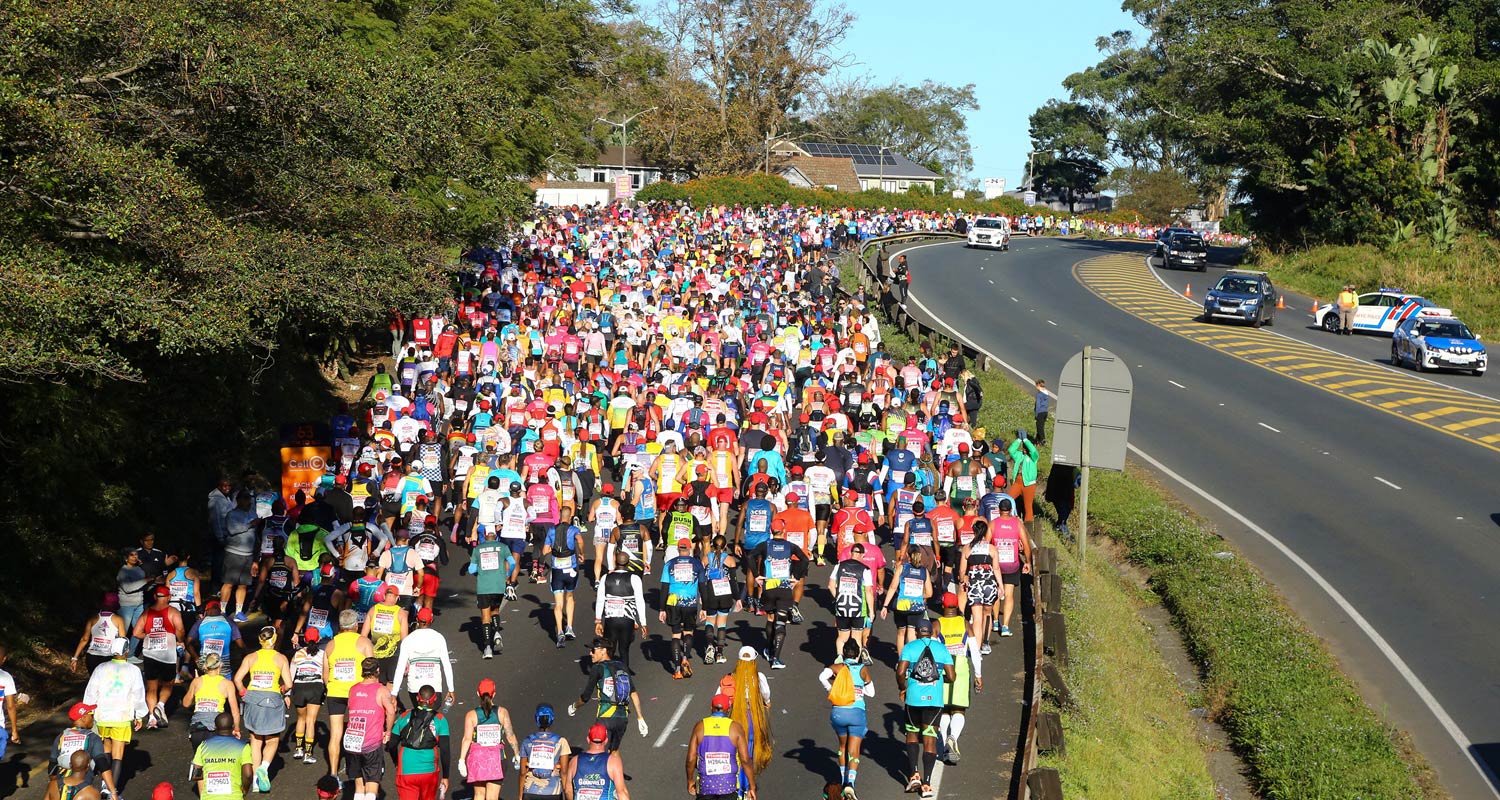
At the 2026 Comrades Marathon, Netstar deployed real-time traffic monitoring across the full route under the banner “Keeping Everyone on Track”, giving organisers and marshals the intelligence to manage resources on the day, with updates pushed to the public through the event’s official social channels. The scale was considerable: the 99th edition and 50th Up Run, roughly 21 600 runners and a new three-group start system introduced specifically to reduce congestion, improve runner flow and assist medical and emergency access along the route.
Mark Forbes, Netstar’s GM of Bureau Services, put it plainly: “We’ve spent 30 years monitoring South African roads. Race day changes the scale and raises the stakes, but it doesn’t change the fundamentals of the task.”
Sunshine Tour partnership
There was no bespoke Comrades product to build. Netstar simply pointed an existing capability at a road network under temporary extreme load and delivered a service that met a need without modification.
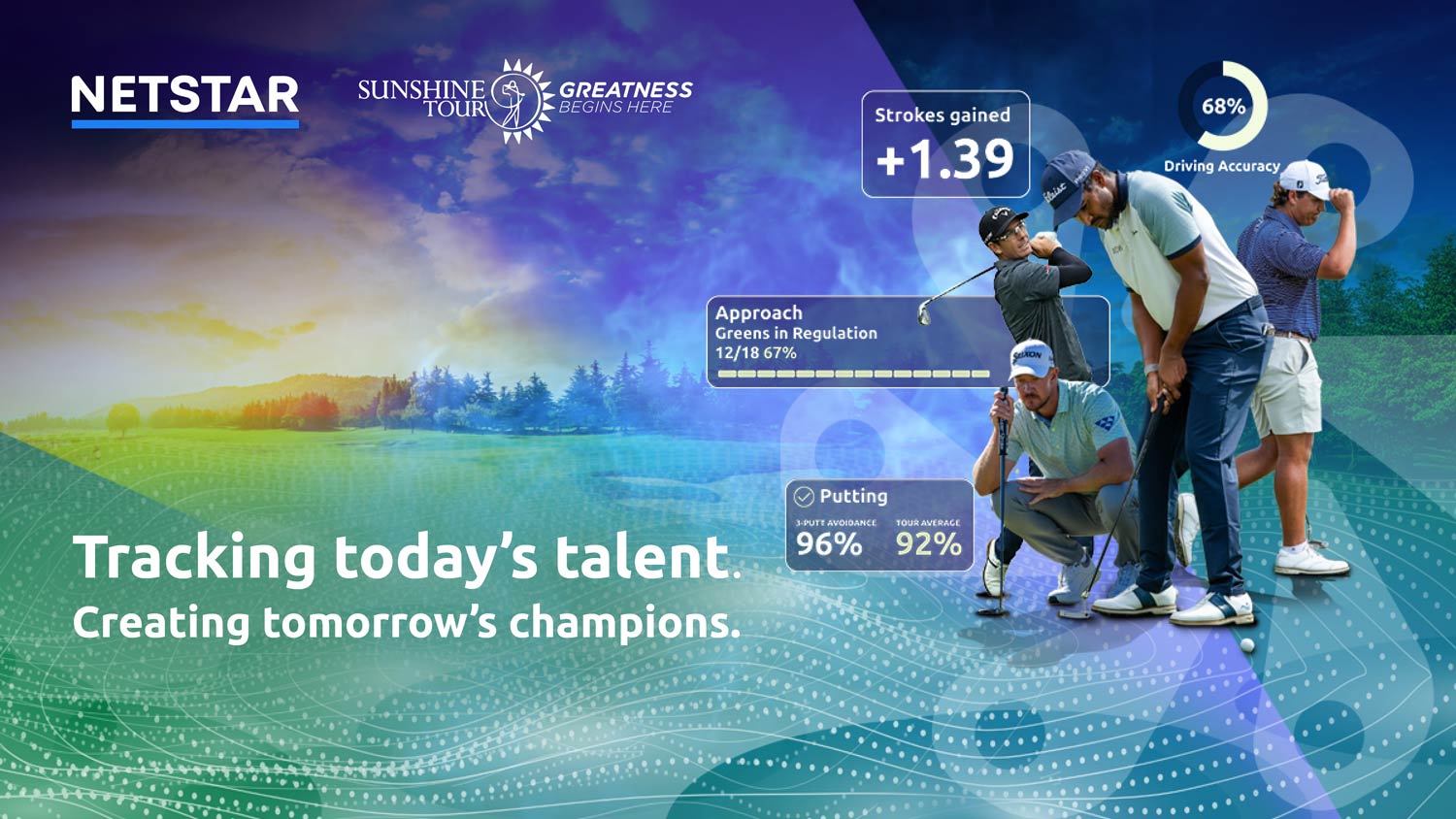
The Sunshine Tour partnership tests the same idea in golf. In February, Netstar and the Sunshine Tour announced a joint development of a golf performance analytics tool, applying telematics and analytics capabilities from fleet management to build a development platform for the players to track and measure their performance. The system pairs wearable GPS devices tracking a player’s position on the course with a shot capture application operated by trained markers during rounds, producing shot dispersion, accuracy trends and strategic insight. Pilots ran at the Investec South African Open and the Joburg Open, with formal roll-out from the 2026/2027 season in May.
Dylan Frittelli, with top-five finishes at both The Masters and The Open, identified the gap it fills: having competed internationally, he has seen how data analytics separates good players from champions, and this gives emerging talent the tools to refine their games. South African golf’s shortfall was never talent. It was infrastructure, and this is exactly that.
Then there is motorsport, where Netstar has been trackside at the Toyota Gazoo Racing Cup (GR Cup). Every car on that grid is mechanically identical — same engine, same suspension, same tyres. The only variable is the driver and what they do once they are on the track.
This mirrors what Netstar sees across the industries it serves: when everyone has the same technology, data-led insights and execution is what creates more value. How you use the capability becomes more valuable than the capability itself.
This observation captures the essence of what telematics does. Two fleets running identical vehicles on identical routes will produce materially different safety and cost outcomes, and the entire value of the data layer is making that gap visible enough to close.
Put the four together: cycling operations, ultramarathon route intelligence, golf performance analytics, spec-series motorsport. No shared audience, no shared media property, no coherent brand-exposure logic. What they share is a movement problem, and Netstar has one platform that solves movement problems.
Rigorous testbed
Those four sports have served as an unusually rigorous testbed. Each one loads the platform differently:
- Amashova is a fleet under conditions no logistics operator would accept — closed roads, a moving perimeter, lives attached to response times.
- Comrades is a road network at temporary extreme load, the familiar problem at unfamiliar scale.
- The GR Cup strips every variable but execution.
- Golf takes the capability off the vehicle altogether, onto a player walking a fairway aiming to improve his score, which is the point at which the platform stops being about cars.
Netstar has stepped beyond being a tracking partner and become something less easily categorised. It turns movement into intelligence, and it is becoming increasingly agnostic about what is moving.
Thirty years, four sports, two million assets. Netstar was never chasing visibility. It was chasing knowledge and insights generated through a single mobility platform.
- Read more articles by Netstar on TechCentral
- This promoted content was paid for by the party concerned