For years, AI was framed as science-fiction: robots, sentient code and a future that never quite arrived. The reality is more grounded – and more powerful. AI is already embedded in the systems we use every day, from e-mail and productivity tools to logistics, security and customer service. Most of us interact with it constantly, often without noticing.
That’s both the opportunity and the risk.
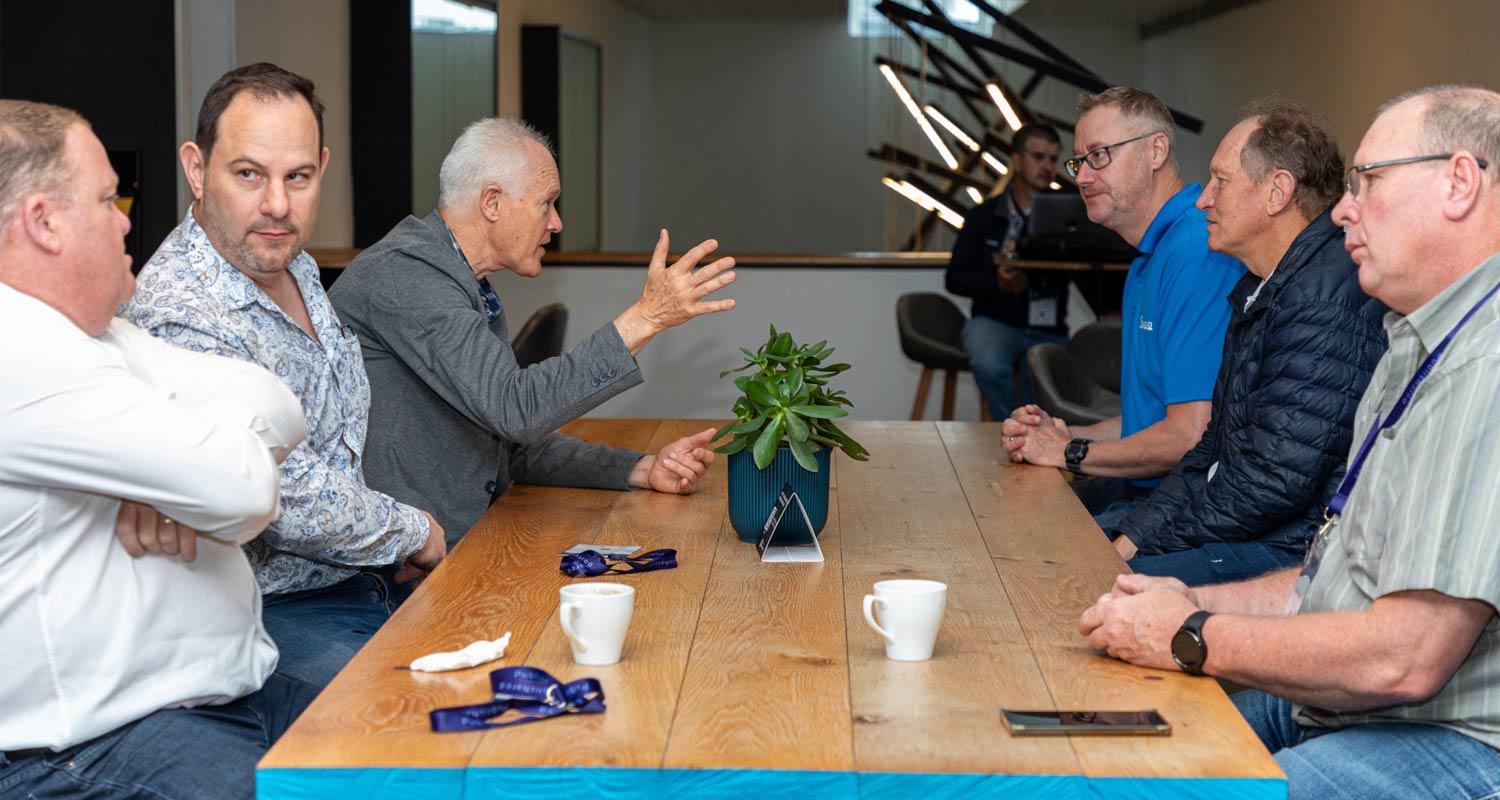
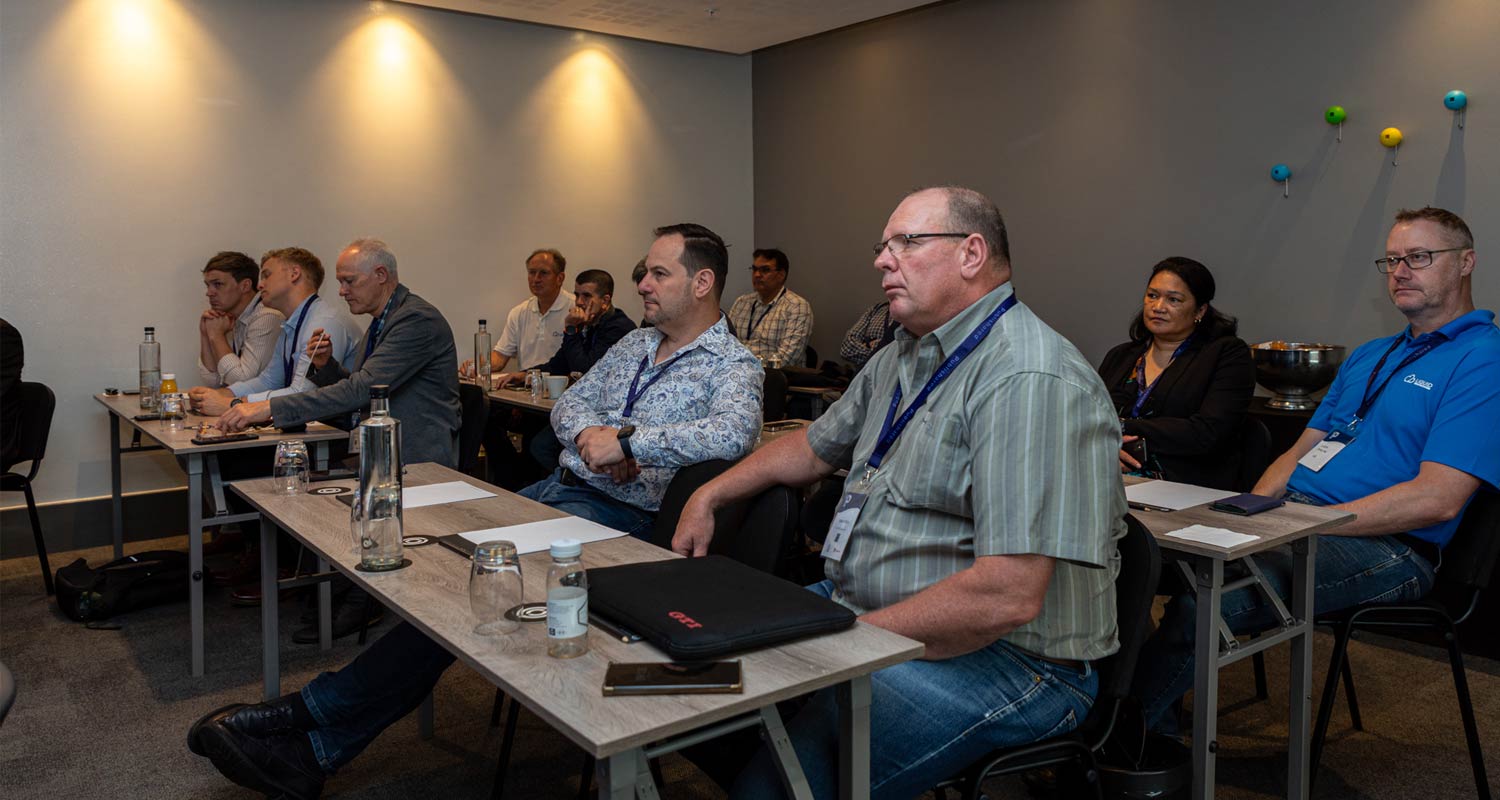
Recently, in Cape Town, Liquid C2 brought together Microsoft technology and business leaders for a frank discussion about what “AI in action” really looks like – less about hype, more about how organisations in Africa can turn interest into capability. The conversation looked at intelligence from both an artificial and a human perspective: how tools are changing, and how people and processes need to change with them.
The 5 problems everyone is trying to solve
The Liquid C2 team framed the discussion around five familiar challenges – and how AI can help turn them from pain points into levers for change.
1. Employee productivity
Most organisations say they want more focus and deep work, yet their people are drowning in digital noise: notifications, meetings and information overload. Productivity is becoming less about doing more, and more about protecting time to think.
Here, AI can reduce clutter by automating routine tasks, prioritising what’s urgent and surfacing the signal in the noise. The point isn’t to replace people, but to free them up for judgement, creativity and relationship-driven work – the things machines can’t do.
2. Management complexity
Hybrid work, distributed teams and a growing stack of tools make it harder to see what’s really happening in the business. The more systems we add, the easier it is for leaders to lose visibility.
Intelligent platforms can reconnect the dots, spotting patterns, bottlenecks and risks that are hard to see manually. The focus shifts from collecting data to understanding it – and with that clarity comes more confident decision-making, especially around Microsoft compliance and governance.
3. Compliance and data protection
Collaboration is essential, but the line between sharing and oversharing is thin. A single misaddressed e-mail or link can expose sensitive data.
AI-driven compliance tools can monitor, flag and prevent many of these incidents before they happen. They act less like a policeman and more like a safety net, building governance into everyday workflows rather than bolting it on afterwards.
4. External security risks
Attack surfaces keep expanding. Every endpoint, login and cloud connection creates another opening that needs to be protected. Traditional perimeter models no longer apply when people and data move constantly.
Microsoft Security tools powered by AI can process millions of signals in real time, spotting unusual patterns and behaviours long before they become incidents. Instead of a static shield, cybersecurity becomes a living system that learns and adapts with each attempted attack.
5. High IT costs
IT leaders are still being asked to do more with less. Complexity is expensive – in licences, infrastructure, skills and time.
AI can help optimise workloads, streamline operations and reduce duplication. It doesn’t magically shrink budgets, but it can make better use of what’s already there, especially when organisations look at integrated, intelligent platforms rather than disconnected point solutions.
From experiments to real use cases
The Cape Town session also highlighted a shift in mindset. AI is no longer just a sandbox for pilots and proofs of concept. Using Microsoft’s AI tools, the team showed how organisations can build their own agents and assistants that extend human expertise instead of replacing it – from summarising information and drafting content to spotting anomalies and guiding decisions.
The message was clear: the organisations that will benefit most aren’t necessarily the ones with the biggest projects, but the ones that start small, learn quickly and keep iterating.
Why timing matters
AI is not here to make humans obsolete; it’s here to make human work count more. It can remove friction, give leaders better visibility and help teams move faster with more confidence.
The technology is ready, the tools are available and the use cases are growing. What’s missing in many organisations is not another platform, but the willingness to take the first step – to explore, to experiment and to align AI with real business problems instead of chasing generic trends.
Liquid C2, working closely with Microsoft, is positioning itself as a partner in that journey: helping organisations in Africa move from AI curiosity to AI capability – in ways that are measurable, sustainable and grounded in day-to-day reality.
Found out more about how Liquid C2 can transform your business with AI by speaking to one of our experts. Fill in your details here and we will get in touch.
- This promoted content was paid for by the party concerned