


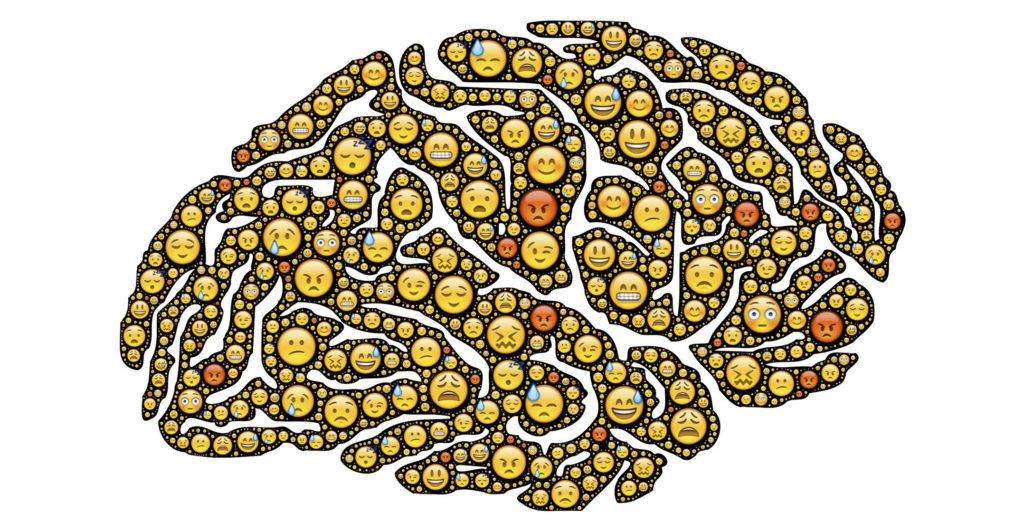
Not content with monitoring almost everything you do online, Facebook now wants to read your mind as well.
Not content with monitoring almost everything you do online, Facebook now wants to read your mind as well.

In the wake of the El Paso, Texas mass shooting on 3 August that left 22 dead and dozens injured, a familiar trope has re-emerged: often, when a young man is the shooter, people try to blame the tragedy on violent videogames.
South Africa is training a group of teachers to learn how to code and how to teach coding. The subject will be piloted at a thousand schools across five provinces, starting in the 2020 academic year. Can it work?

The problems of South Africa’s state-owned enterprises are in the headlines every day. Yet many have existed for over 80 years.
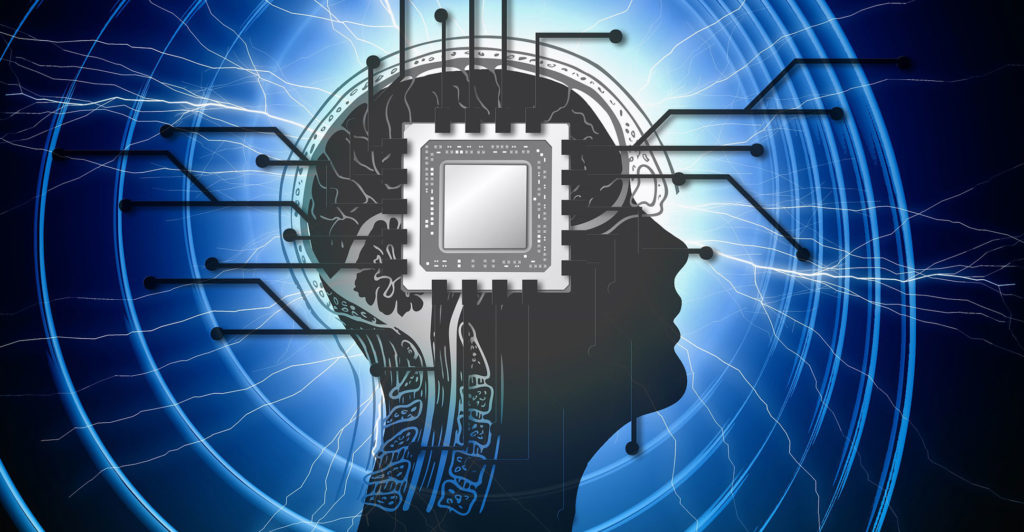
Most discussions about artificial intelligence are characterised by hyperbole and hysteria. This could end up turning people against AI research, bringing significant progress in the technology to a halt.
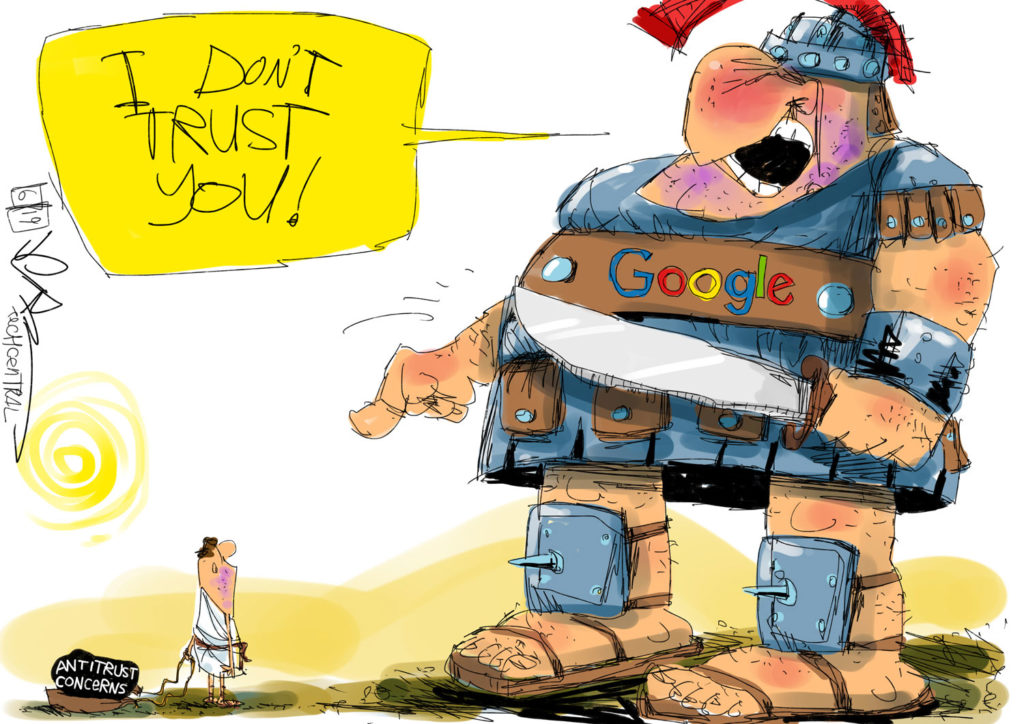
Advocates and opponents of breaking up big technology firms are falling prey to some serious misconceptions

The smartphone era is only just over a decade old, but the pocket-sized computers at the heart of that societal transformation are only really possible because of another technology: lithium-ion batteries.

Internet services such as search engines and social media platforms have increasingly been provided by a small number of very large tech firms. The blockchain could help consumers wrest control of their privacy away from them.

It’s often said that we now have more computing power in our pocket than the computer aboard Apollo 11. But is that true? And, if so, how much more powerful are our phones?

Facebook’s libra cryptocurrency has taken a lot of criticism from Western government officials and media commentators – but it’s not meant for them.