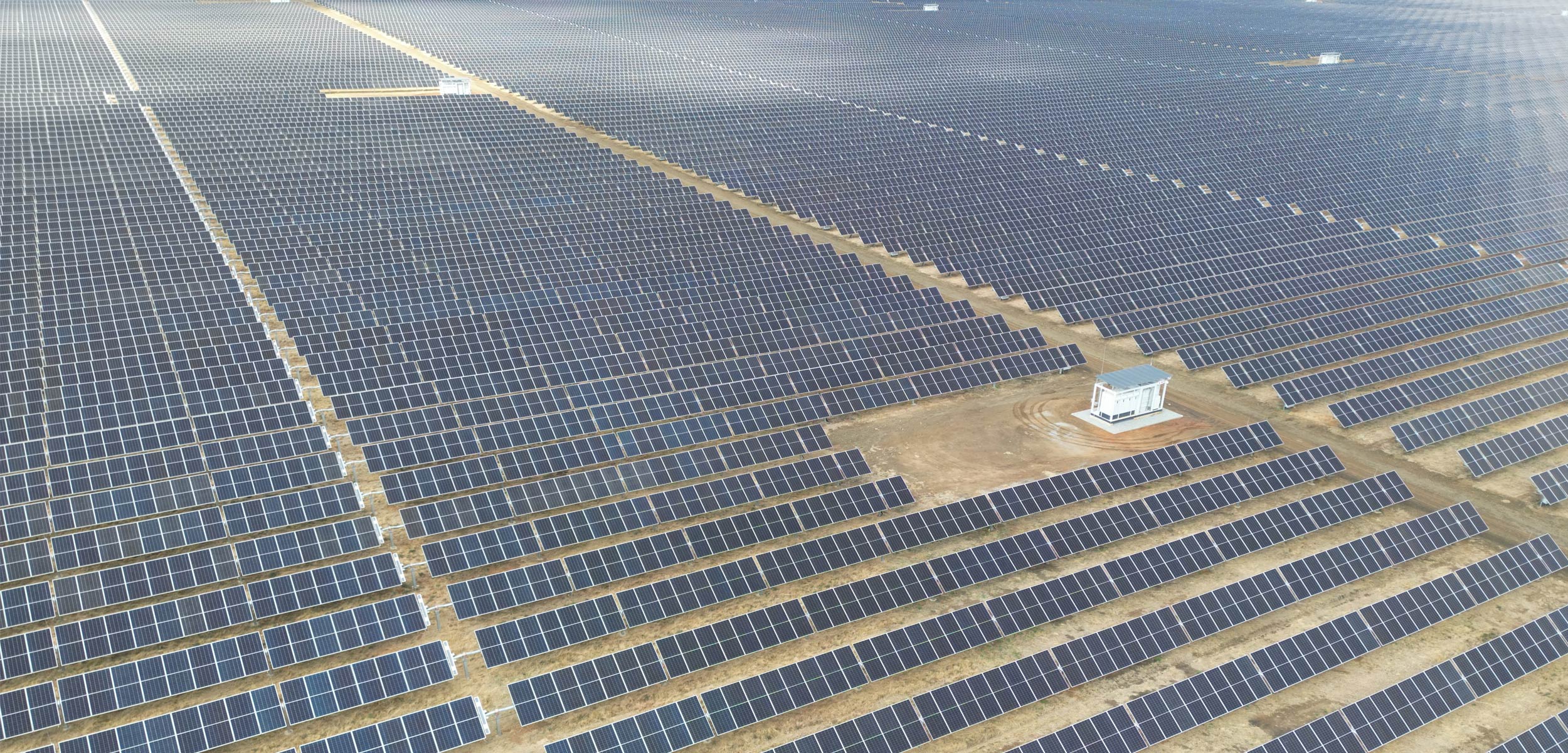
South Africa’s renewable energy sector is poised for a busy year, with multiple projects set to reach commercialisation or break ground as market confidence remains generally upbeat.
According to industry body the South African Photovoltaic Industry Association, the country’s renewable energy sector is heading in the right direction.
“The policy architecture is largely in place, private investment continues to flow, and the technical capacity to deploy solar, wind and storage at scale has been demonstrated,” Sapvia spokesman Mark Spencer told TechCentral.
“The question for 2026 is no longer whether renewables will play a central role in South Africa’s energy future, but whether the enabling infrastructure and institutional frameworks can keep pace with market momentum.”
The renewable energy independent power producer procurement programme (REIPPPP) has now secured over 9.6GW of capacity and attracted more than R292-billion in investment since 2011. According to the 2025 South African Renewable Energy Grid Survey, the private sector pipeline has a staggering 117GW of planned capacity at an advanced development stage, demonstrating sustained investor confidence.
Dominant constraint
Spencer said that behind-the-meter solar has grown by 218% in three years to reach 74GW, now exceeding utility-scale IPP capacity, and battery storage is moving from pilot projects to mainstream deployment.
However, the dominant constraint to the sector remains grid infrastructure.
Read: ‘Mega bid window’ planned to fast-track R2.2-trillion energy plan
While phase 1 of the Independent Transmission Projects (ITP) programme has been welcomed by Sapvia, it warns that it addresses a fraction of the more than 14 000km of new transmission required this decade. The first lines will be operational at the earliest in 2028.
He said that in the interim, developers face a mismatch between where renewable resources are strongest and where the grid can absorb them. The National Transmission Company South Africa’s immediate priorities are its own grid expansion programme and operationalising congestion curtailment.

Sapvia said that the most important priority for 2026 must be grid expansion.
“If South Africa can mobilise private capital for transmission as successfully as it has for generation, the country is positioned to become the continent’s renewable energy leader by the end of the decade.”
Another concern is the tension between localisation ambitions and project economics, which Sapvia believes requires careful management.
Spencer said that while South African Renewable Energy Masterplan sets important targets – mandating high local content before domestic manufacturing capacity exists –risks increasing costs and slowing deployment.
“The sequencing must be right: build demand through consistent procurement and market growth, then use that demand to anchor local manufacturing investment,” he said.
This year should also include industry players looking at how renewable energy can benefit lower-income households, Spencer said. The transition has so far only benefited mostly grid-connected businesses and homeowners who can afford the upfront investment in solar and storage.
For everyone
“Models exist globally, even elsewhere in Africa: community solar schemes, rent-to-own systems, social housing microgrids and municipal partnerships that extend clean energy access beyond the commercial and middle-class residential market,” he said.
“The economics can work, but they require deliberate programme design, concessional finance and municipal cooperation. A just energy transition cannot be just for those who can already afford it.
Read: EU announces huge investment in clean energy in South Africa
“Extending the benefits of low-cost renewable power to indigent households and low-cost housing is not only equitable, but it also addresses some of the most expensive and unreliable electricity supply in the country.”
Etana Energy, which trades and supplies renewable electricity from wind and solar projects directly to businesses, agrees that the outlook for renewable energy is good this year.
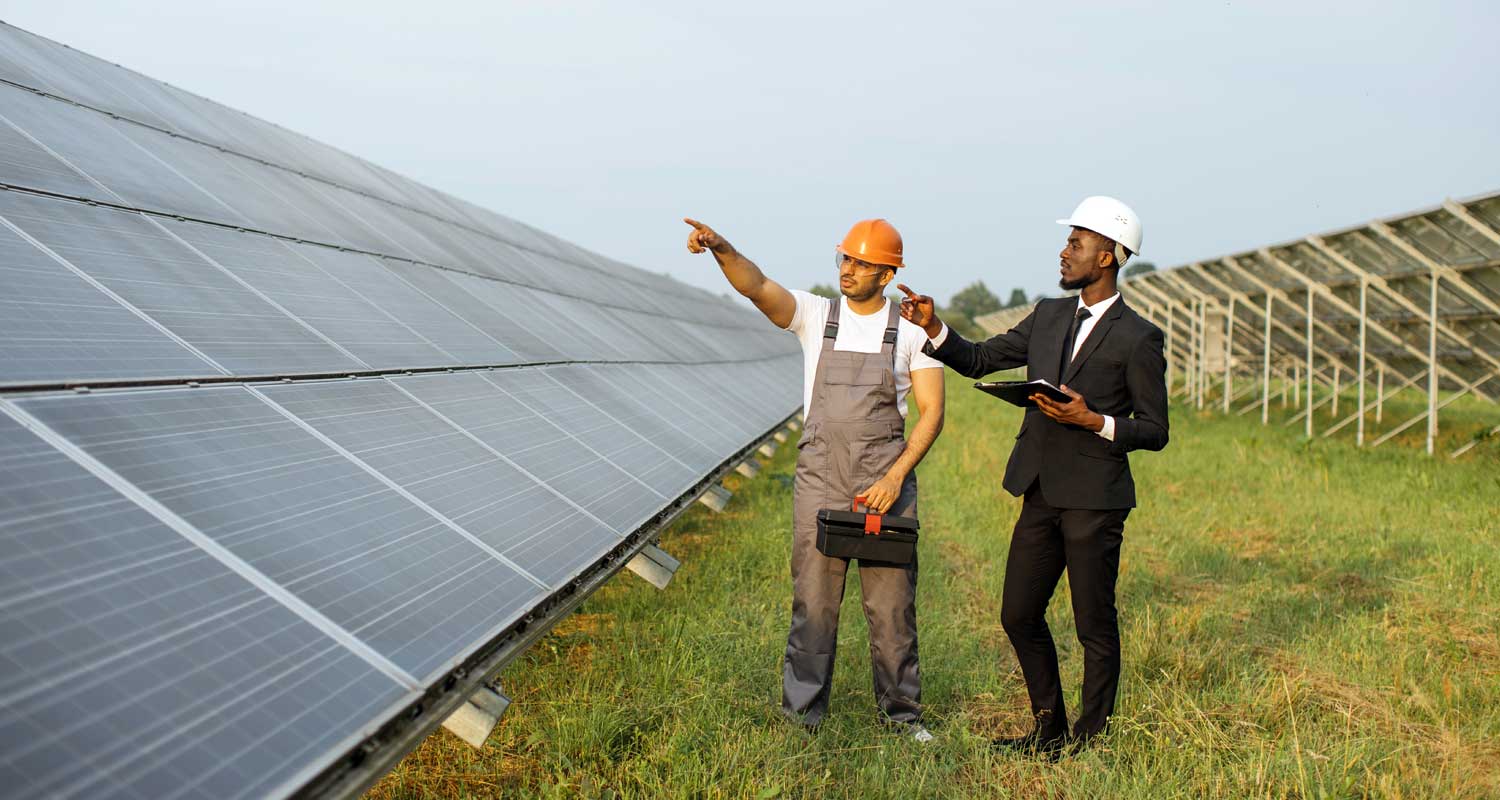
“Despite some anticipated hurdles, we expect the positive momentum of 2025 to continue into 2026, with traders playing a fundamental role in the expansion of renewable energy capacity in South Africa,” Jevon Martin, Etana’s head of business development, told TechCentral.
He said Etana, which successfully closed 265MW of capacity across two wind farms and one solar PV plant last year, anticipates that trader models will be the drivers of new renewable energy investment this year.
Martin said that historically, public programmes and bilateral transactions have driven most of the renewable energy sector investment. But more recently, bilaterial transactions have dwindled, with a number of large power users having already procured their needs and their requirements having changed. They now seek newer, flexible offerings in the market from traders.
The Sola Group, which provides solar infrastructure, generation and energy storage, also anticipates continued growth in existing and some new markets.
“Following the end of load shedding in 2025, the energy market has entered a new phase of maturity and sophistication. The electricity market structure has been agreed; traders now have a draft set of rules on how they will buy and sell electricity; bilateral private power purchase agreements are becoming shorter and more flexible; the first virtual wheeling project has come into effect (Sola’s Vodacom deal involving its Springbok solar farm), and finally, grid access rules have been published,” said Sola executive director Dom Wills.
‘Deep upgrades’
On the biggest drivers of renewable energy, he said that private procurement has the advantage of being better equipped to handle the changes that arise during Eskom’s connection process. Consequently, private projects are less likely to stall compared to many in the REIPPPP programme.
In 2026, the country can expect the majority of PV projects to include storage and “deep upgrades” that are becoming common for new connections on the grid. – © 2026 NewsCentral Media
Get breaking news from TechCentral on WhatsApp. Sign up here.