Close Menu
TechCentralTechCentral

    Subscribe to the newsletter

    Get the best South African technology news and analysis delivered to your e-mail inbox every morning.

    Facebook X (Twitter) YouTube LinkedIn
    WhatsApp Facebook X (Twitter) LinkedIn YouTube
    TechCentralTechCentral
    • News
      If it quacks like a duck: Kganyago on regulating fintechs - Reserve Bank governor Lesetja Kganyago

      If it quacks like a duck: Kganyago on regulating fintechs

      1 September 2026
      Shoprite closes its bet on the spaza till - Pieter Engelbrecht

      Shoprite closes its bet on the spaza till

      1 September 2026
      Wiocc lands $300-million from Saudi and African backers - Chris Wood

      Wiocc lands $300-million from Saudi and African backers

      1 September 2026
      China is rewriting the rules of open-source software

      China is rewriting the rules of open-source software

      1 September 2026
      The John Ternus era begins at Apple - Tim Cook

      The John Ternus era begins at Apple

      1 September 2026
    • World
      AI-generated music banned from Australian charts

      AI-generated music banned from Australian charts

      26 August 2026
      Traders brace for a R4.5-trillion swing in Nvidia's value

      Traders brace for a R4.5-trillion swing in Nvidia’s value

      25 August 2026
      Russia building its own Starlink - and faster than expected - Vadym Skibitskyi

      Russia building its own Starlink – and faster than expected

      11 August 2026
      Meta AI will now tell parents if their teen is in crisis

      Meta AI will now tell parents if their teen is in crisis

      17 July 2026
      IBM shares crash 25% as AI upends software spending - Arvind Krishna

      IBM shares crash 25% as AI upends software spending

      15 July 2026
    • In-depth
      Google DeepMind CEO Demis Hassabis. Image: John Sears

      The plan to stop AI from breaking the world

      16 July 2026
      The internet has a Strait of Hormuz problem

      The internet has a Strait of Hormuz problem

      15 July 2026
      AI boom sparks rally, frenzy and fear

      AI boom sparks rally, frenzy and fear

      11 June 2026
      Every plug-in hybrid on sale in South Africa, ranked by price - Lamborghini Temerario

      Every plug-in hybrid on sale in South Africa, ranked by price

      7 June 2026
      What Wi-Fi 8 will mean for wireless networks

      What Wi-Fi 8 will mean for wireless networks

      1 June 2026
    • TCS
      Watts & Wheels S1E8: 'Tesla lands in Africa, just not here'

      Watts & Wheels S1E8: ‘Tesla lands in Africa, just not here’

      24 August 2026
      Meet the CIO | Discovery's Derek Wilcocks on AI, guardrails and growth

      Meet the CIO | Derek Wilcocks on how AI personalised Vitality

      13 August 2026
      TCS | Money just became native to the internet - Steven Boykey Sidley

      TCS | Money just became native to the internet – Steven Boykey Sidley

      12 August 2026
      TCS+ | Specops' Darren James on continuous trust in an AI world

      TCS+ | Specops’ Darren James on continuous trust in an AI world

      7 August 2026
      TCS+ | How AI is turning hardware into a subscription service - Shane van der Merwe Merchant West

      TCS+ | How AI is turning hardware into a subscription service

      6 August 2026
    • Opinion
      The fragile joint in the Capitec machine - Pambos Soteriades

      The R197-billion market the banks can’t reach

      25 August 2026
      South African tech's compounding debt problem - Jannie van Zyl

      Management consulting as we know it is over

      21 August 2026
      South African tech's compounding debt problem - Jannie van Zyl

      The most dangerous customer is the quiet one

      10 August 2026
      South African tech's compounding debt problem - Jannie van Zyl

      South African tech’s compounding debt problem

      29 July 2026
      The fragile joint in the Capitec machine - Pambos Soteriades

      Best network, worst vibes: the puzzle of SA telecoms

      20 July 2026
    • Company Hubs
      • 1Stream
      • Africa Data Centres
      • AfriGIS
      • Altron Digital Business
      • Altron Document Solutions
      • Altron Group
      • Arctic Wolf
      • Ascent Technology
      • AvertITD
      • BBD
      • Braintree
      • CallMiner
      • CambriLearn
      • CM.com
      • Contactable
      • CYBER1 Solutions
      • Digicloud Africa
      • Digimune
      • Domains.co.za
      • ESET
      • Euphoria Telecom
      • HOSTAFRICA
      • Incredible Business
      • iONLINE
      • IQbusiness
      • Iris Network Systems
      • Kaspersky
      • LSD Open
      • Mitel
      • NEC XON
      • Netstar
      • Network Platforms
      • Next DLP
      • Ovations
      • Paracon
      • Paratus
      • Q-KON
      • SevenC
      • SkyWire
      • Solid8 Technologies
      • Telit Cinterion
      • Telviva
      • Tenable
      • Vertiv
      • Videri Digital
      • Vodacom Business
      • Vox
      • Wipro
      • Workday
      • XLink
    • Sections
      • AI and machine learning
      • Banking
      • Broadcasting and Media
      • Cloud services
      • Contact centres and CX
      • Cryptocurrencies
      • Education and skills
      • Electronics and hardware
      • Energy and sustainability
      • Enterprise software
      • Financial services
      • HealthTech
      • Information security
      • Internet and connectivity
      • Internet of Things
      • Investment
      • IT services
      • Lifestyle
      • Policy and regulation
      • Public sector
      • Retail and e-commerce
      • Satellite communications
      • Science
      • SMEs and start-ups
      • Social media
      • Talent and leadership
      • Telecoms
      • Watts & Wheels
    • Events
    • Advertise
    TechCentralTechCentral
    Home » Sections » Enterprise software » China is rewriting the rules of open-source software

    China is rewriting the rules of open-source software

    China is shaping how open-source technology is developed, licensed and deployed.
    By Christopher K Tong1 September 2026
    Twitter LinkedIn Facebook WhatsApp Email Telegram Copy Link
    News Alerts
    WhatsApp

    China is rewriting the rules of open-source software

    As you read this article on your computer or smartphone, you are almost certainly using open-source technology in some way. It forms the foundation of the global digital economy, from operating systems and web servers to databases and encryption protocols.

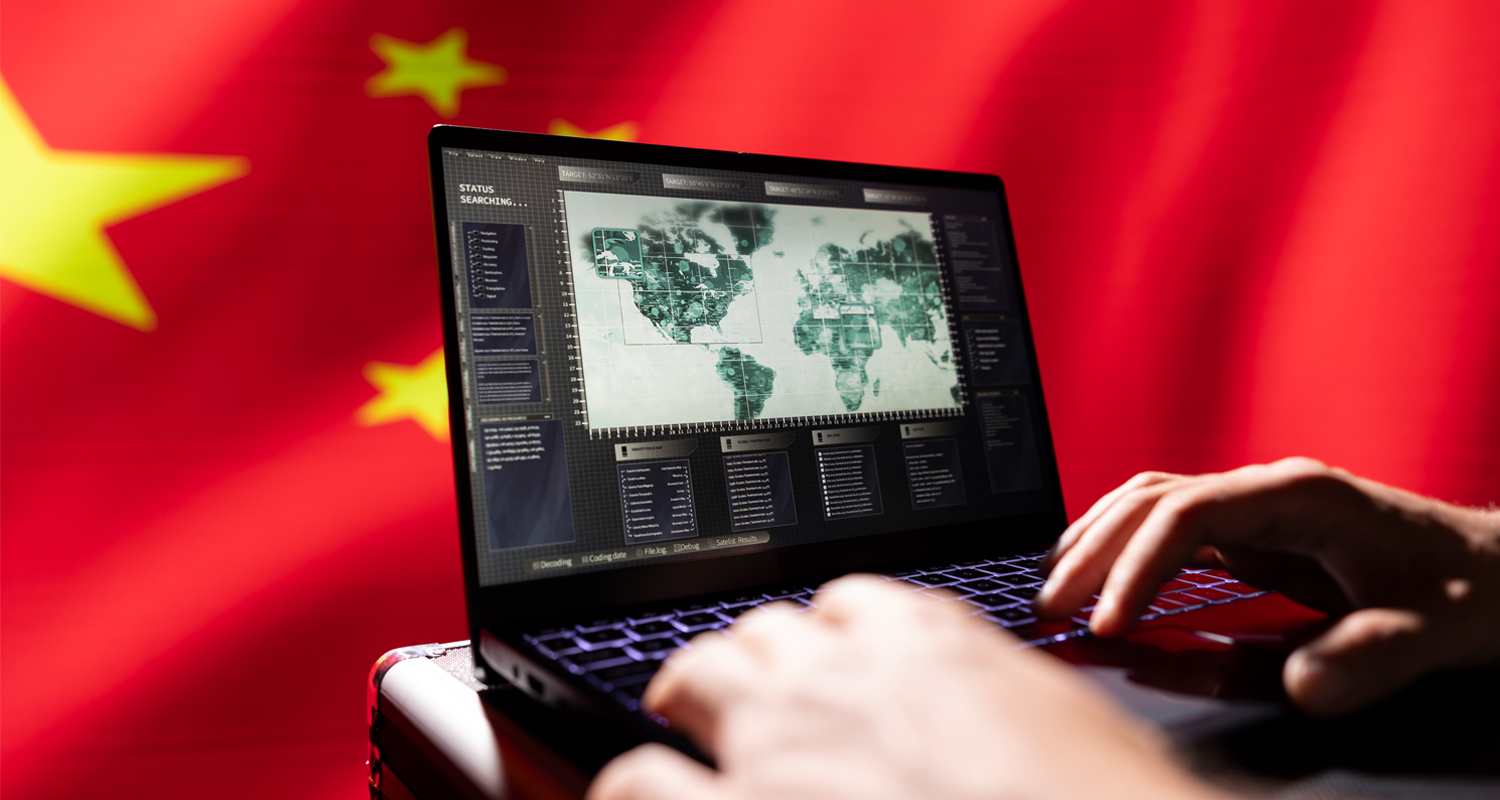
    While the US and Europe have led the development of open-source technology, China is championing its own alternatives. The Chinese government has made open-source development part of its national technology strategy. Chinese companies and institutions have been active in redefining how open-source technology is being developed, licensed and deployed.

    China’s open-source strategy could influence products and services used by people around the world, particularly as AI becomes an everyday technology.

    Open-source technology is increasingly becoming an arena of strategic competition between countries

    The success of China’s efforts may depend on building global trust, however. Chinese companies, backed by the government, have long been known to acquire advanced technology through intellectual property theft and by applying pressure in joint ventures and licensing agreements.

    Open-source technology is increasingly becoming an arena of strategic competition between countries. As a China expert and open-source researcher, I believe the countries that lead the technical and legal standards governing open-source technology will gain a competitive edge for decades to come.

    China’s long road to open source

    The open-source movement has taken various forms, from collaborations aimed at bypassing corporate monopolies to business strategies for developing products quickly. Open-source software has allowed developers around the world to reuse and improve on shared code.

    Linux, the core software powering Android phones and most of the internet, is an open-source technology. Risc-V, an emerging alternative to Intel and ARM chip designs, and next-generation mobile network interfaces are also open source.

    Early Chinese engagements with open source aimed to develop technologies that were free from foreign control. A government-run software institute developed Red Flag Linux as an alternative to Microsoft’s Windows operating system, which the government saw as costly to maintain and vulnerable to foreign intelligence gathering. A Chinese military university later created Kylin, an operating system for the People’s Liberation Army and other government organisations.

    In recent years, Chinese tech companies have embraced open-source technology as a way around sanctions and export controls. After the US government blacklisted the telecoms giant Huawei for its ties to the Chinese military, Google revoked the company’s access to licensed services and apps. But Huawei used Android’s open-source code to maintain its smartphone operating system. Eventually, Huawei developed an alternative called HarmonyOS Next and released its own open-source version as OpenHarmony.
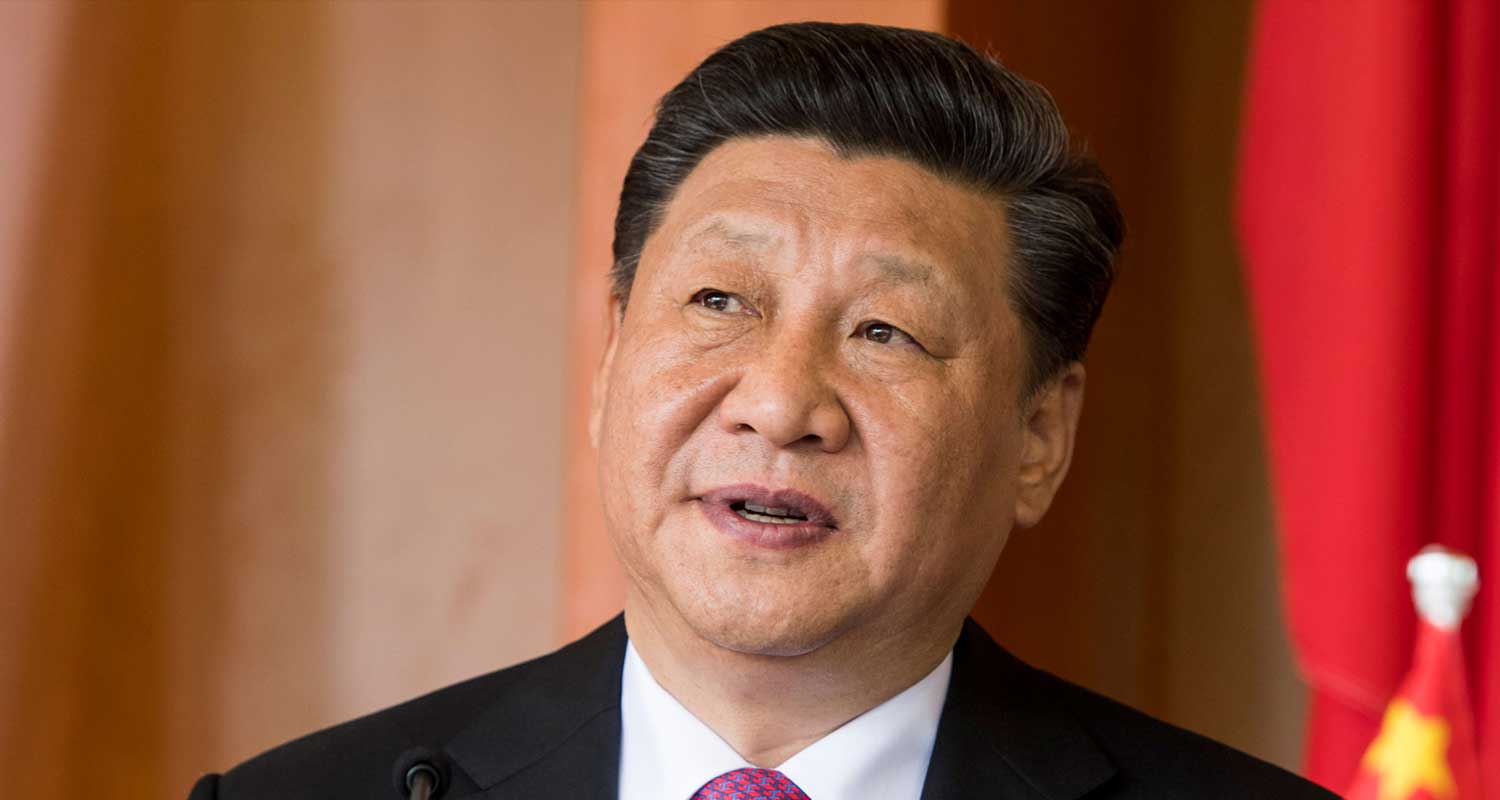
    Chinese President Xi Jinping
    Chinese President Xi Jinping

    Today, Chinese leader Xi Jinping is stressing the importance of science and technology independence and self-strengthening, known as keji zili ziqiang. The ministry of industry & IT and other government bodies have supported domestic platforms, such as the state-guided OpenAtom Foundation, for open-source technology, and Gitee, a Chinese alternative to GitHub, a popular repository for open-source software. Domestic open-source operating systems such as openKylin and openEuler play a key role in securing China’s IT infrastructure.

    China is also positioning itself as an indispensable player in setting global standards for open-source hardware. For example, its work on Risc-V allows Chinese technology companies to reduce dependence on foreign intellectual property in semiconductors. Open hardware standards make Chinese companies less vulnerable to export controls and bans.

    China’s strategy of “overtaking on a turn”, or closely following and then passing the front-runner, appears to be paying off. Chinese telecoms companies, already leaders in 5G mobile network technology, are working with an international alliance to shape 6G, the next-generation standard for mobile communications. The Open-RAN standard the alliance is developing has complex implications for cybersecurity and strategic competition.

    Open-source AI: With Chinese characteristics?

    The contest over AI has moved beyond export controls of AI chips towards who leads open-source AI development. Xi is expected to discuss AI with US President Donald Trump on his visit to the US in September.

    Major Chinese AI models such as Qwen, DeepSeek, Kimi and GLM are generally open weight, not open source, meaning that the model software and its final parameters are made available, but not the training data and methodology. AI companies often offer models in proprietary, open-weight and smaller open-source versions.

    The White House and Silicon Valley remain split over the prospects of open-source AI. Anthropic and OpenAI have accused Chinese open-weight model makers of large-scale, unauthorised distillation, a technique used to copy proprietary AI models. The Trump administration and US lawmakers have proposed restricting access to Chinese open-weight models, and some federal agencies and state governments have already moved to prohibit employees and contractors from using DeepSeek, for security reasons.

    open source

    Users of Chinese AI face risks that are not widely understood. Chinese open-weight models are designed to align with government censorship and propaganda. While Chinese models are often distributed under standard licences, such as MIT and Apache 2.0, some impose additional compliance obligations.

    Moonshot’s Kimi K3 model licence, for example, requires licensees exceeding specific revenue or user thresholds to “prominently” display the Kimi model name. MiniMax M3’s community licence lists uses prohibited by “applicable laws or regulations”, raising questions over which jurisdictions apply.

    Bilingual licences developed under Chinese government guidance give Chinese users more access and Chinese courts more control. These include the Mulan Permissive Software Licence, version 2.0 and the OpenAtom Model Licence, version 1.0. Both are written in English and Chinese, but the Chinese version prevails in cases of conflicting interpretation, especially in Chinese jurisdictions.

    Open-source technology has always been global

    The US regulates AI through a patchwork of federal and state laws. Internationally recognised frameworks may offer a better approach to governing open-source AI. Examples include the EU’s Artificial Intelligence Act and multilateral initiatives such as Unesco’s Recommendation on the Ethics of Artificial Intelligence, the Hiroshima AI Process and the International Organisation for Standardisation and the International Electrotechnical Commission’s ISO/IEC 42001.

    Open-source technology could also benefit from such governance.The Conversation

    • The author, Christopher K Tong, is associate professor of modern languages, linguistics and intercultural communication, University of Maryland, Baltimore County
    • This article is republished from The Conversation under a Creative Commons licence. Read the original article

    Follow TechCentral on Google News Add TechCentral as your preferred source on Google


    Anthropic China Christopher K Tong DeepSeek Donald Trump Google Huawei Minimax Moonshot AI OpenAI Xi Jinping
    WhatsApp YouTube
    Share. Facebook Twitter LinkedIn WhatsApp Telegram Email Copy Link
    Previous ArticleThe John Ternus era begins at Apple
    Next Article Wiocc lands $300-million from Saudi and African backers

    Related Posts

    The Apple-OpenAI feud just got a lot uglier - Sam Altman

    The Apple, OpenAI feud just got a lot uglier

    1 September 2026
    Digicloud recruits African partners for Google SecOps push - Digicloud Africa

    Digicloud recruits African partners for Google SecOps push

    1 September 2026
    Huawei is ramping up spending on R&D

    Huawei is ramping up spending on R&D

    31 August 2026
    Company News
    Solid8 brings AlgoSec Horizon to Southern Africa - Simone Santana

    Solid8 brings AlgoSec Horizon to Southern Africa

    1 September 2026
    Ren-Flex installs Africa's first HP Indigo 200K

    Ren-Flex installs Africa’s first HP Indigo 200K

    1 September 2026
    Telecoms uptime is as much a finance question as an engineering one - Elzette Cronje Jordaan, Backspace Technologies

    Telecoms uptime is as much a finance question as an engineering one

    1 September 2026
    Opinion
    The fragile joint in the Capitec machine - Pambos Soteriades

    The R197-billion market the banks can’t reach

    25 August 2026
    South African tech's compounding debt problem - Jannie van Zyl

    Management consulting as we know it is over

    21 August 2026
    South African tech's compounding debt problem - Jannie van Zyl

    The most dangerous customer is the quiet one

    10 August 2026

    Subscribe to Updates

    Get the best South African technology news and analysis delivered to your e-mail inbox every morning.

    Latest Posts
    If it quacks like a duck: Kganyago on regulating fintechs - Reserve Bank governor Lesetja Kganyago

    If it quacks like a duck: Kganyago on regulating fintechs

    1 September 2026
    Shoprite closes its bet on the spaza till - Pieter Engelbrecht

    Shoprite closes its bet on the spaza till

    1 September 2026
    Wiocc lands $300-million from Saudi and African backers - Chris Wood

    Wiocc lands $300-million from Saudi and African backers

    1 September 2026
    China is rewriting the rules of open-source software

    China is rewriting the rules of open-source software

    1 September 2026
    © 2009 - 2026 NewsCentral Media
    Built and maintained by Chronon
    • Cookie policy (ZA)
    • TechCentral – privacy and Popia

    Type above and press Enter to search. Press Esc to cancel.

    Manage consent

    TechCentral uses cookies to enhance its offerings. Consenting to these technologies allows us to serve you better. Not consenting or withdrawing consent may adversely affect certain features and functions of the website.

    Functional Always active
    The technical storage or access is strictly necessary for the legitimate purpose of enabling the use of a specific service explicitly requested by the subscriber or user, or for the sole purpose of carrying out the transmission of a communication over an electronic communications network.
    Preferences
    The technical storage or access is necessary for the legitimate purpose of storing preferences that are not requested by the subscriber or user.
    Statistics
    The technical storage or access that is used exclusively for statistical purposes. The technical storage or access that is used exclusively for anonymous statistical purposes. Without a subpoena, voluntary compliance on the part of your Internet Service Provider, or additional records from a third party, information stored or retrieved for this purpose alone cannot usually be used to identify you.
    Marketing
    The technical storage or access is required to create user profiles to send advertising, or to track the user on a website or across several websites for similar marketing purposes.
    • Manage options
    • Manage services
    • Manage {vendor_count} vendors
    • Read more about these purposes
    View preferences
    • {title}
    • {title}
    • {title}