Global mobile industry body GSMA is concerned that ongoing geopolitical tensions could lead to a bifurcation of standards that could have a severe impact on supply chains for mobile networking equipment and the device ecosystem in years to come.
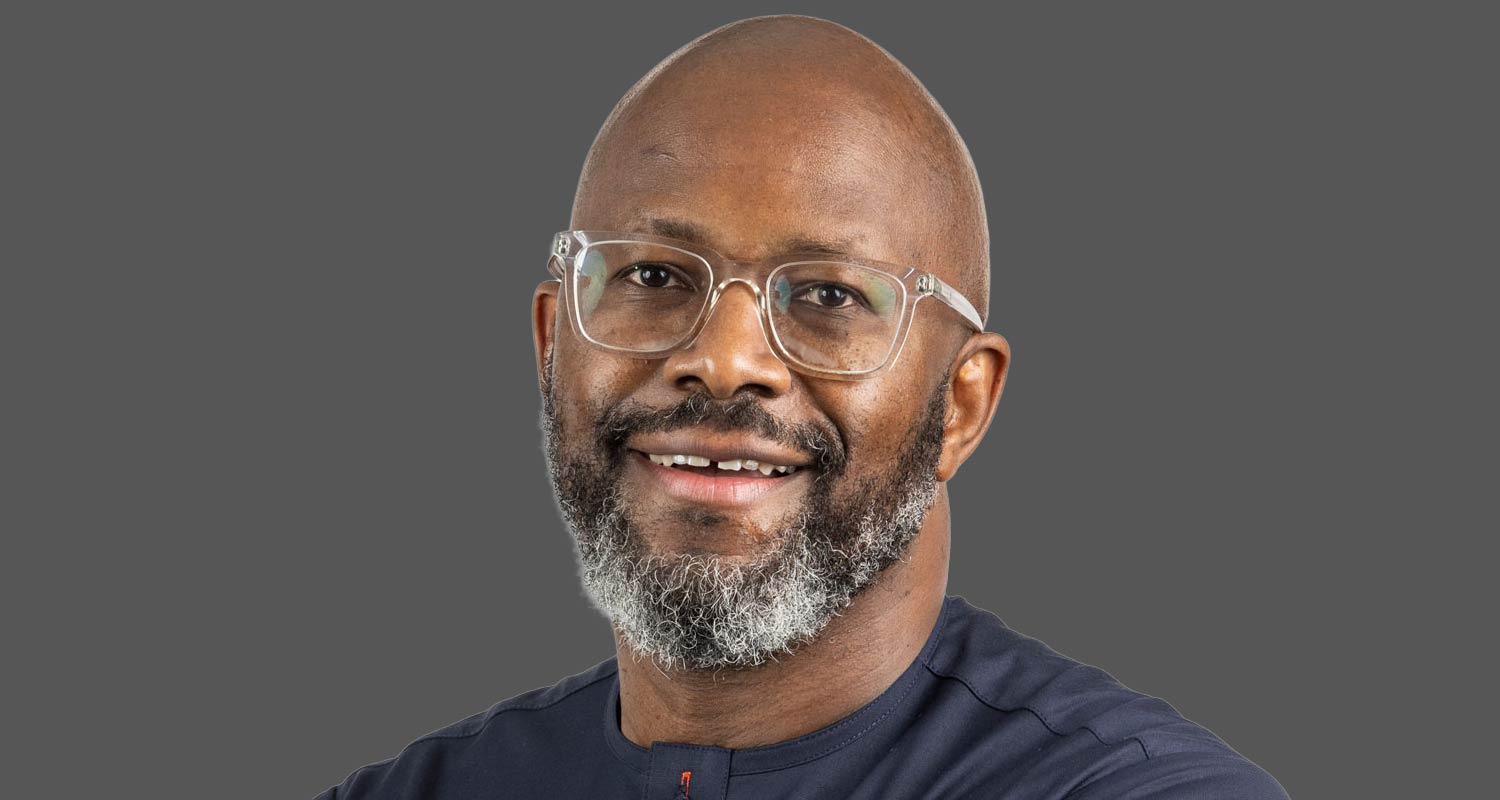
“A huge area of debate among the GSMA board [members] is the concept of digital sovereignty and whether it is a paradox or oxymoron in a world that today is increasingly looking like it’s trending towards de-globalisation and moving towards [one] where you may have bifurcated standards [for] 6G,” said Ralph Mupita, MTN Group CEO and GSMA deputy chairman, at a press conference hosted by GSMA Africa at Mobile World Congress in Barcelona on Tuesday.
Mupita said the debate centres on how small and emerging market economies can participate in the AI revolution without resource limitations. He noted that the largest investments are happening in China and the US, leaving the rest of the world to wonder how not to get left behind in light of the need, or desire, to maintain some level of digital sovereignty as AI proliferates.
Another high priority on the GSMA’s agenda is the mobile industry’s financial sustainability. Mupita said the GSMA board has been analysing market structures in various parts of the world and sees horizontal mergers as the most likely, and perhaps most viable, way forward for the industry as infrastructure costs weigh heavily on operations.
“It’s a big topic in Europe, but I think it’s a topic that also has relevance in the Global South around the industry structure, because what is happening, particularly in the East, in China and in the US, where there has been consolidation — so, fewer players, but actually the investment has increased, almost counterintuitively,” said Mupita.
Infrastructure costs
The trend towards more concentrated market structures in the mobile industry is driven by increasing infrastructure costs on one hand and falling margins as data has usurped voice services over the years on the other.
This has played out in the South African market, with the smallest of the country’s four mobile operators, Cell C, choosing to relinquish its own tower infrastructure and radio access network and to roam on the networks of rivals Vodacom and MTN.
According to Cell C CEO Jorge Mendes, the strategy lowers overall costs by swapping more expensive capex for opex while also removing the burden of infrastructure management.
Read: The real reason MTN is bringing its towers back in-house
Another marker of this trend is how South African mobile operators shared infrastructure during the Covid-19 pandemic to maintain network resilience in the face of supply-chain disruptions and power shortages.
Although communications regulator Icasa and the Competition Commission granted special dispensation to allow this, infrastructure sharing — and mergers in the mobile industry in general — are frowned upon by regulators. According to Mupita, this perspective needs to change.
“There is work that is needed to engage policymakers regarding a more modernised view around competition frameworks, using more of an investment lens that aims to attract capital. The capital for this [AI-driven] world that is developing is going to require a lot of investment,” said Mupita.
MTN has in the past courted Telkom as an acquisition target, though the deal would have met with steep regulatory resistance. Mupita has not ruled out the possibility of another approach in future.
The other major topic on the GSMA’s agenda is rising fraud in the digital ecosystem. Mupita said many of the threats originate from social media platforms and called for telecoms operators and social media companies to form partnerships to address the problem. MTN and Meta are already meeting to discuss the issue, he added.
“This is a topic that should seize all of us because it undermines the trust and confidence of everyday users,” said Mupita.
The press conference where Mupita made his comments was held at the African Pavilion at MWC. This year marked the first time African operators had a presence on the MWC floor. The African Pavilion had four exhibitors, namely MTN, Ethio Telecom, Cassava Technologies and Tanzanian mobile operator Yas.
Read: GSMA coalition targets $40 smartphone to connect millions across Africa
“Today is a great day where we are celebrating the fact that there are African stands. I think we were tired of walking around without a home, finally we have one, and I think we can anticipate bigger stands next year,” said Mupita. — (c) 2026 NewsCentral Media
Get breaking news from TechCentral on WhatsApp. Sign up here.