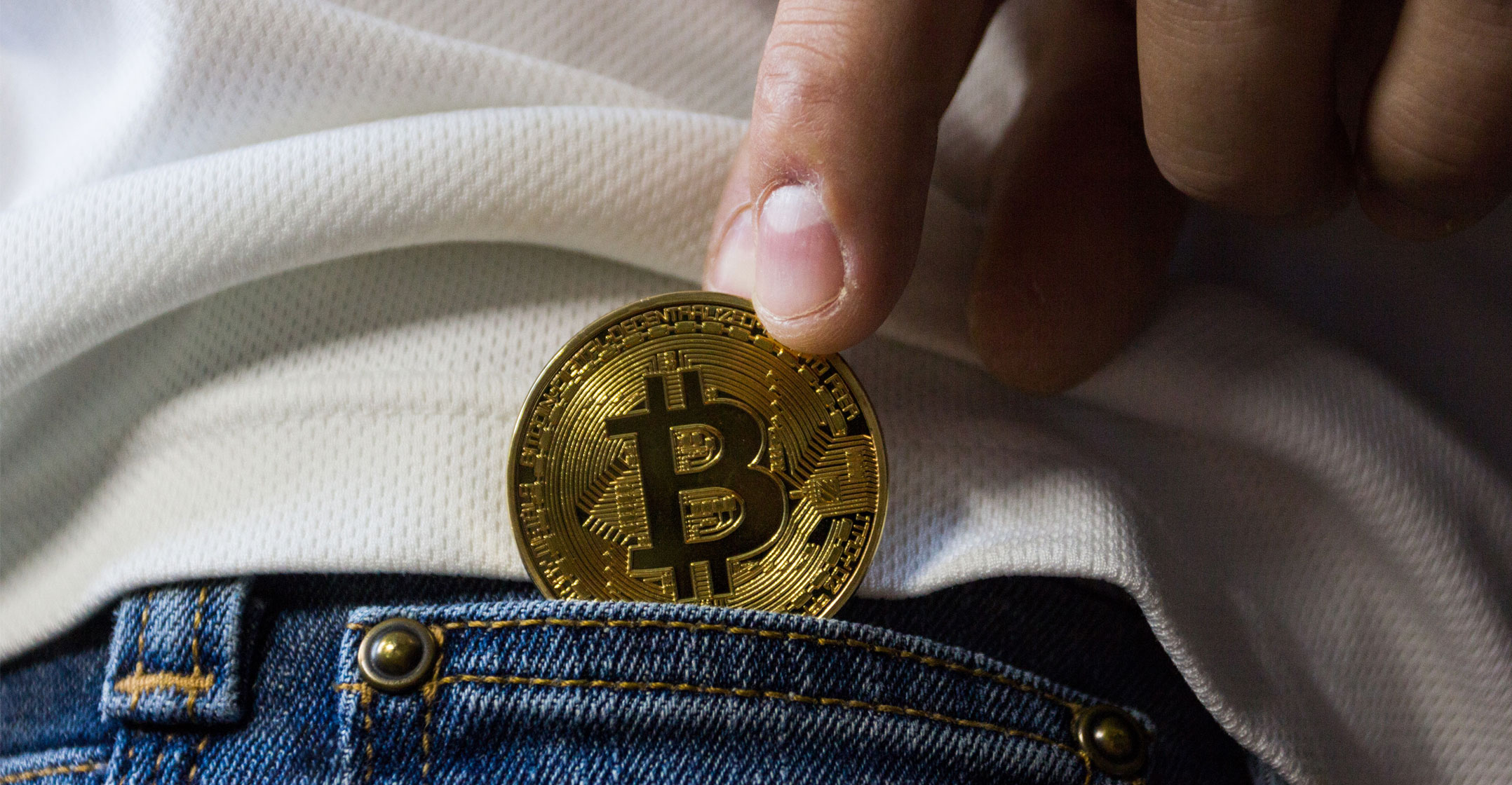
 Bitcoin investors are having a wild ride. The best-known cryptocurrency quadrupled in price in late 2020 — a surge reminiscent of its heyday three years earlier, when it rocketed to nearly US$20 000, then crashed and lost more than two-thirds of its value. Once seen as the province of nerds, libertarians and drug dealers, there’s still little sign it will evolve into a useful form of money for most transactions. Yet the latest bout of roller-coaster volatility comes as more big investors are speculating that bitcoin will gain wider acceptance and shake up the financial world, maybe by filling the role of gold as a hedge against inflation better than gold can.
1. Why the big comeback?
As global financial markets convulsed through the pandemic in 2020, there were a flurry of developments that suggested bitcoin was taking more steps toward going mainstream. In October, global payments giant PayPal started letting customers use it to purchase goods and services, and some big financial players have introduced funds that make it easier for investors to add crypto to their portfolios. At the same time, the flood of money pumped into the global financial system by the world’s central banks renewed a debate about whether such moves could spark a resurgence of inflation – generating more interest in both gold and bitcoin, since both are scarce assets.
2. Is this another bubble?
Each upswing energises bitcoin’s true believers and catches popular attention — the total market value of all cryptocurrencies topped $1-trillion for the first time on 7 Janunary. Hot financial technology start-ups such as Robinhood and Revolut have made crypto a key part of their trading and banking apps. Still, investing in crypto remains a risky and volatile prospect, as the instruments remain largely unregulated assets subject to the whims of a fickle market. Bitcoin’s advance around the start of 2021 has been so swift that it dwarfs all other boom cycles in financial assets over the past 50 years.
3. Who buys and uses bitcoin?
Prominent money managers such as Mike Novogratz and Alan Howard have invested hundreds of millions of dollars in bitcoin and other cryptocurrencies. A survey Fidelity Investments conducted in 2020 found that 36% of institutional respondents held crypto in their portfolios. More than six out of 10 expressed interest in bitcoin and other cryptocurrencies, up from fewer than half in 2019. To be sure, bitcoin is still a thinly traded market, where so-called whales, controlling large quantities of coin, hold huge sway. Less than 2% of anonymous accounts that can be tracked on the coin’s digital ledger control 95% of the available supply, according to researcher Flipside Crypto. A whale’s exit — a more likely event now that bitcoin is the domain of not just believers but also pragmatic financiers — can send ripples throughout the ecosystem.
4. What’s the appeal for investors?
In short, greed and fear. Bitcoin’s fans argue its recent rally isn’t comparable to other euphoric stretches, as the asset has matured with the entry of institutional investors. Zero and negative yields on traditional assets such as government bonds are driving hedge funds to seek out alternatives, and there’s a fear of missing out as the coin rallied to record after record. While naysayers have long said that bitcoin’s will inevitably collapse again, many have recently had to revise their thinking — simply because enough people seem to believe in bitcoin. There’s also more discussion of bitcoin as a legitimate hedge against inflation risk and any weakness in the US dollar.
5. Why is Bitcoin compared with gold?
As a scarce resource, gold has traditionally been a hedge against inflation; it surged to a record high in August 2020. Governments can speed up their treasuries’ printing presses and thereby debase their currencies, but miners can’t flood markets with gold, goes the thinking. Part of bitcoin’s appeal lies in the fact that it isn’t controlled by governments or their monetary policies, and that its supply is limited even more strictly than gold’s. With the vast spending by governments and central banks in response to the pandemic raising fears of inflation after economies recover, more attention than ever is being paid to bitcoin as “digital gold”, even as inflation remains muted. If bitcoin attracts the same amount of money now invested in gold, it could rise to a theoretical price of more than $146 000 in the long term, according to strategists at JPMorgan Chase & Co.
6. So, is bitcoin now legit?
Intuitional investors may be feeling more comfortable wading into bitcoin in part because of better safeguards — even as more captivating tales emerge of millionaires thwarted by losing their passwords. Over the past few years, bitcoin has also developed a more substantial financial infrastructure. There are custody and trading services — with proper licences and credentials — that cater specifically to the large regulated investors. The US treasury department, for instance, has proposed requiring banks and other intermediaries to maintain records and submit reports to verify customer identities for certain cryptocurrency transactions. A number of central banks, including the US Federal Reserve and the European Central Bank, are studying how to digitalise sovereign currencies, a validation of the blockchain code underpinning bitcoin. Still, bitcoin and other cryptocurrencies have been connected with scams, money laundering, tax evasion, cyberthefts and more.
7. What exactly is bitcoin, anyway?
Born out of the bitterness that followed the 2008 financial crisis, it’s a form of money that’s remarkable for what it’s not: It’s not a currency you can hold in your hand. It’s not issued or backed by a national government. At their core, bitcoin and its imitators are sets of software protocols for generating digital tokens and for tracking transactions in a way that makes it hard to counterfeit or re-use tokens. A bitcoin has value only to the extent that its users agree that it does.
8. Where did the bitcoin system come from?
The original software was laid out in a white paper in 2008 by a person or group of people using the pseudonym Satoshi Nakamoto, whose identity remains unknown, despite several efforts to assign or claim credit. Online fantasy games had long used virtual currencies. The key idea behind bitcoin was the blockchain — a publicly visible, largely anonymous online ledger that records bitcoin transactions. Mania swept the market in 2017, when bitcoin skyrocketed to $19 000 from $789 and thousands of fly-by-night outfits peddled their own copycat tokens in “initial coin offerings”. The bust left a lot of losses.
9. What’s the blockchain?
Think about what happens if you make an online transfer using a bank. It verifies that you have the funds, subtracts that amount from one spot in a giant database it maintains of accounts and balances, and credits it in another. You can see the result if you log onto your account but the transaction is under the bank’s control. You’re trusting the bank to remove the right amount of money, and the bank is also making sure you can’t spend that money again. The blockchain is a database that performs those tracking functions — but without the bank or any other central authority.
 10. Who performs the bank function for bitcoin?
It’s done by consensus on a decentralised network. Bitcoin transactions can be made through sites offering electronic “wallets” that upload the data to the network. New transactions are bundled together into a batch and broadcast to the network for verification by so-called bitcoin miners. Long-time bitcoin fans point to the so-called halvening that happened in 2020, cutting in half the amount of new bitcoins issued to miners for verifying transactions, as another reason for the resurgence. Halvenings happen every three to four years and they help slow down the mining of new coins. Production will cease entirely at 21 million coins; it’s estimated that won’t happen until 2140. The tally was more than 18.5 million at the end of 2020.
11. Who gets to be a miner?
Anybody, so long as you have really fast computers and a lot of electricity. The transaction data in each batch is encrypted by a formula that can be unlocked only through trial-and-error guessing on a massive scale. The miners put large-scale computing power to work as they compete to be the first to solve the puzzle. If a miner’s answer is verified by others, the data is added to a linked chain of blocks of data and the miner is rewarded with newly issued bitcoin. Because every block contains data linking to earlier blocks, an attempt to spend the same bitcoin twice would mean revising many links in the chain. Plus, as miners compete, they verify each other’s work each step of the way.
12. Could another cryptocurrency supplant bitcoin?
As the number of cryptocurrencies and tokens continues to multiply — they now reach into the thousands — bitcoin remains the best known, time tested and valuable. It’s also the one coin that’s considered to be a potential store of value. Others, such as ethereum, are used for other things, such as issuing tokens for use in decentralised finance applications. So-called stablecoins such tether peg their price to the US dollar or other fiat assets, and some back up the value by holding reserves.
13. How can I buy bitcoin or invest in it?
There are a bunch of ways, all with different risks. People can buy the coins directly from exchanges like Coinbase. Accredited investors can also invest in vehicles like the Bitcoin Investment Trust, which tracks bitcoin’s price. Now investors can buy or sell bitcoin futures, and soon may be able to buy bitcoin exchange-traded funds, once regulators feel comfortable with the idea. But be warned: Even plenty of people who believe in bitcoin’s future think some wild rides lie ahead. The big run-up in bitcoin’s price back in 2017 was followed by an 83% rout that lasted a year. — Reported by Olga Kharif and Edward Robinson, (c) 2021 Bloomberg LP