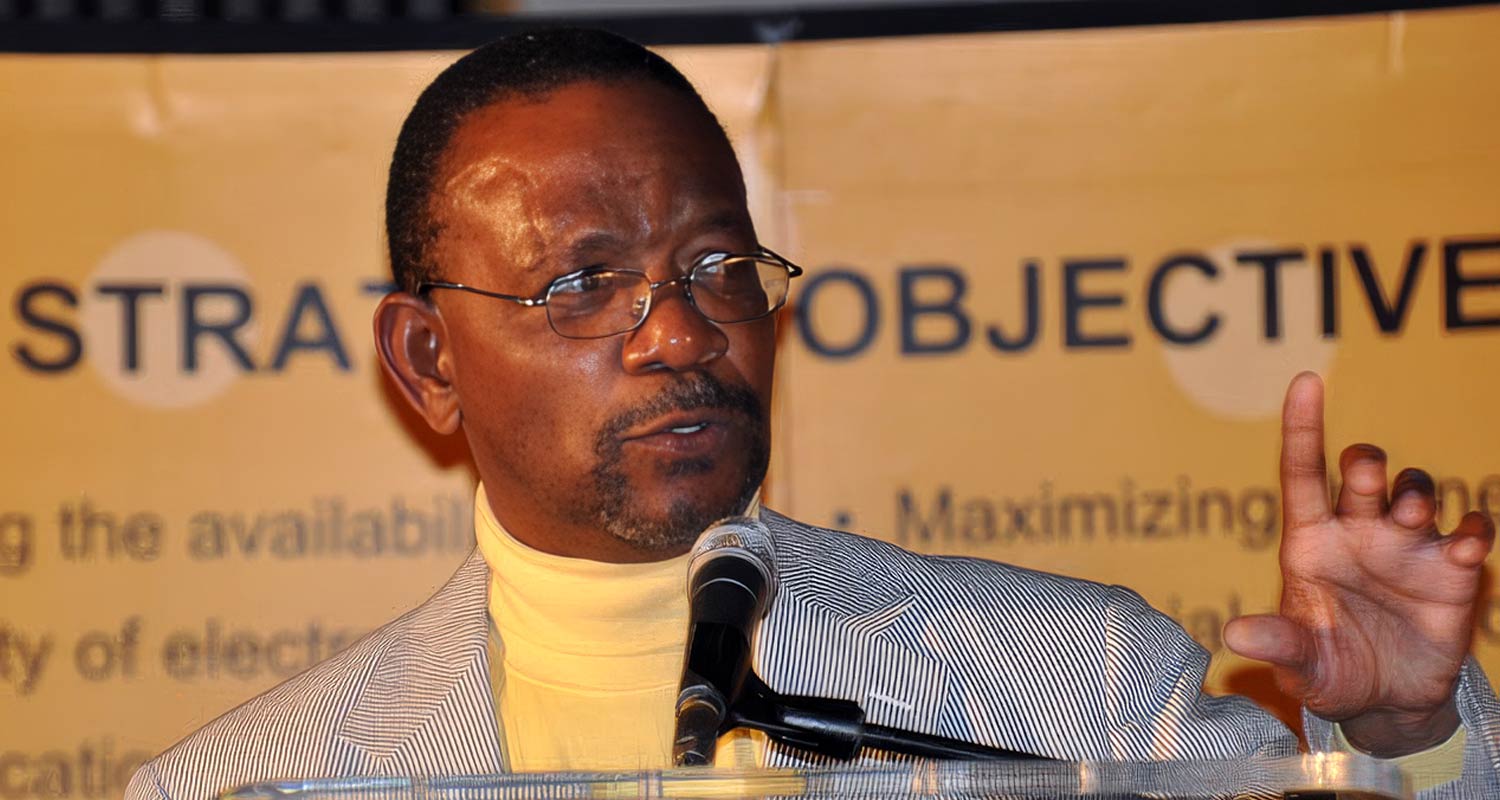
Paris Mashile, who chaired communications regulator Icasa from 2005 to 2010 and served it again for much of the 16 years that followed, has died.
Icasa announced his death in a statement on Monday. It did not say when or how he died.
Mashile was chairman from 1 July 2005 to 30 June 2010. He returned as a councillor in April 2016 and was acting chairman from September to November 2017, and his term ended in June 2020. He then joined Icasa’s complaints and compliance committee in January 2021. He was reappointed for a term that began in January 2024 and was due to end on 31 December 2026.
“Through his leadership, Mr Paris Mashile advanced competition across the telecommunications, broadcasting and postal services sectors, championed greater consumer choice, promoted universal access and helped prepare South Africa for a digital future,” said Icasa chairman Mothibi Ramusi. “He also led important regulatory work towards the convergence of licences, shaping the development of the country’s communications landscape.”
Thabo Mbeki appointed Mashile to succeed the authority’s founding chairman, Mandla Langa, on the advice of then communications minister Ivy Matsepe-Casaburri.
His term is best remembered for the fight over mobile termination rates, the fees operators charge one another to carry calls onto their networks. These were widely blamed for keeping call prices high and new competitors out. The operators cut the peak rate from R1.25/minute to 89c in March 2010, and Icasa then proposed taking it down to 40c by July 2012.
‘Inevitable, like death and taxes’
When the operators asked for more time, Mashile didn’t mince his words: “I do hope this isn’t a delaying mechanism by the operators,” he said in May 2010. “They can run but they can’t hide. It will happen. It’s inevitable, like death and taxes.”
He told parliament in February 2010 that the prepaid rates paid by the poorest South Africans were “astronomical”. He pointed out that the operators had been given 3G spectrum without an auction, when “all over the world that spectrum was auctioned”.
His tenure had its low points. In the run-up to Vodacom’s JSE listing in 2009, Icasa reversed its approval of Telkom’s sale of 15% of Vodacom to Vodafone and sided with trade union federation Cosatu in trying to stop the deal in court, almost derailing it. Mashile, who was out of the country at the time, later apologised unreservedly. In his final speech to the industry in May 2010, he went further. “I concede we have failed you and, at the end of the day, I am accountable,” he said. He also complained that Icasa was underfunded and had to go “cap in hand” to government.
Icasa also licensed new pay-TV operators during his term and started the process of licensing mobile TV.
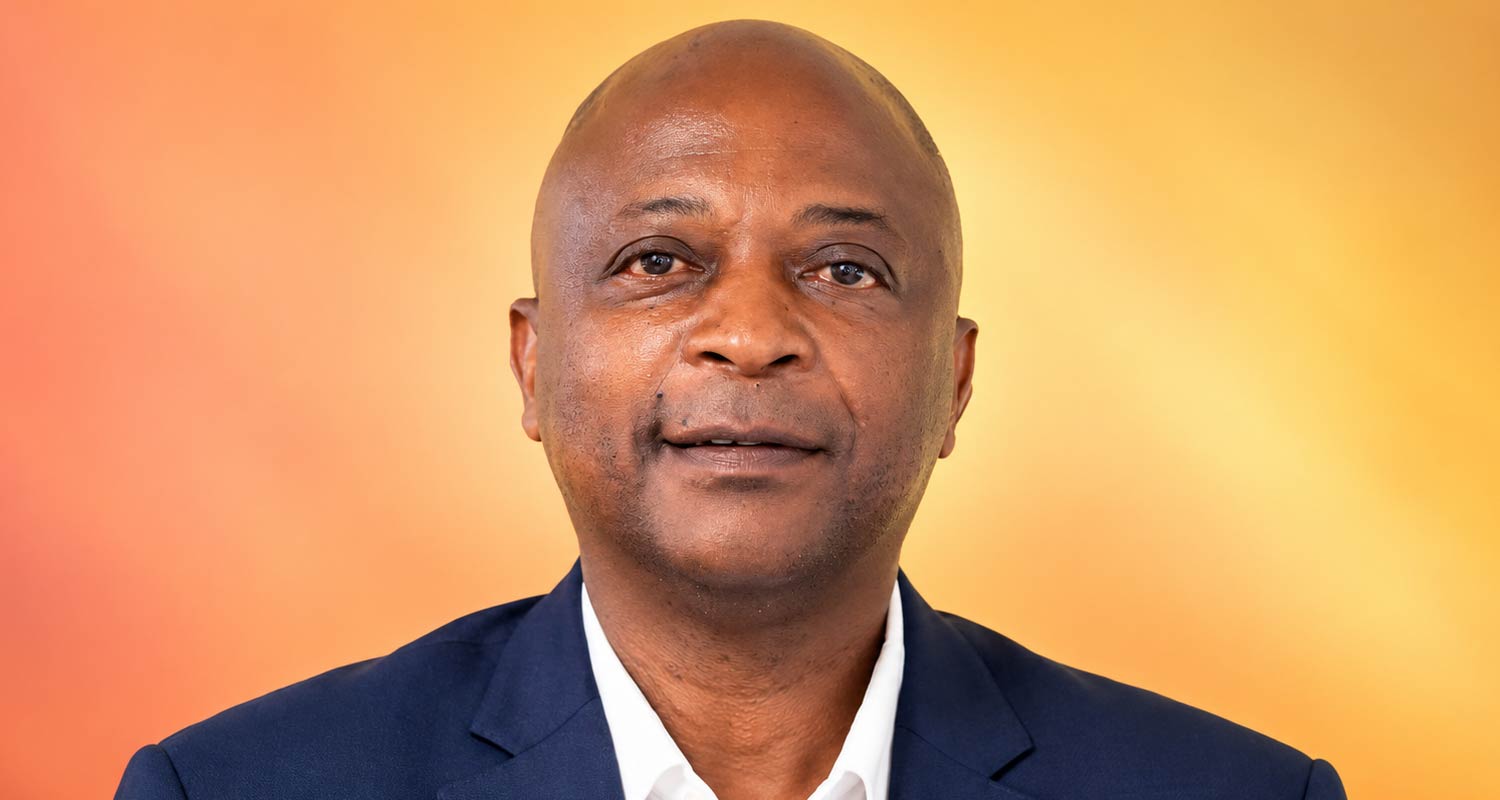
A 2010 TechCentral profile by Candice Jones described Mashile as a self-proclaimed anarchist and political activist. He had been tortured by the apartheid security police. Despite his schooling under the Bantu education system, he went on to earn several degrees in maths and science. Icasa said he held master’s degrees in engineering and physics, was a founding member of the Academy of Regulatory Professionals associated with the University of Florida’s Public Utility Research Centre and was a member of the Institute of Electrical and Electronics Engineers.
His true passion was Shakespeare. Julius Caesar was his favourite play. “Men at some time are masters of their fates: the fault, dear Brutus, is not in our stars, but in ourselves, that we are underlings,” he quoted, word-perfect, over a glass of Pinotage. He had hoped, he said, to use communications technology “to address the social maladies our country faces”.
After leaving Icasa in 2010, he became chairman of Vunani Technology Ventures, part of AltX-listed Vunani, and set up and ran its consulting business, Vunani Electronic Communications. He joined the board of Sentech, the state-owned signal distributor. He also chaired mobile software company ComUnity and ran a programme on digital multimedia at the Gordon Institute of Business Science.
In his second spell on the council, he worked on the plan to license spectrum for 4G and 5G. In 2018 he said Icasa and government had agreed on a “hybrid model”, under which spectrum would go to the planned wholesale open-access network as well as the commercial operators. “There will be an auction and a beauty contest for the smaller operators,” he said.
“On behalf of the council, management and staff of Icasa, we honour his legacy of service and extend heartfelt condolences to the Mashile family, his friends and colleagues,” Ramusi said. — © 2026 NewsCentral Media