


Since their arrival, regulatory sandboxes have started – though slowly – to appear in areas beyond fintech. South African policy-makers need to pay attention. By Gwen Ngwenya.
Since their arrival, regulatory sandboxes have started – though slowly – to appear in areas beyond fintech. South African policy-makers need to pay attention. By Gwen Ngwenya.

A parade of initial public offerings from Silicon Valley this year has garnered a mixed reception from investors. Slack Technologies took a different route, and saw its shares soar as it went public without an IPO.

EOH Holdings has moved to strengthen its board, appointing three high-profile nonexecutive directors, including a former MD of Vodacom South Africa.

5G networks will allow vast gobs of data to be transmitted at great speeds. And more data usually means more money for mobile carriers. But there’s a hitch. Cloud giants such as Amazon.com and Microsoft are lurking.
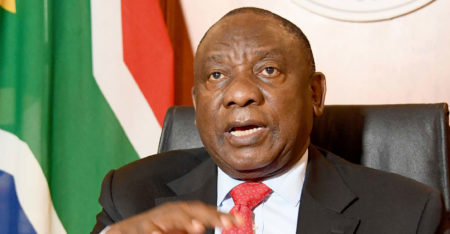
The communications minister will issue a policy direction to Icasa within a month, allowing broadband spectrum to be allocated to mobile operators, President Cyril Ramaphosa said in his state of the nation address.
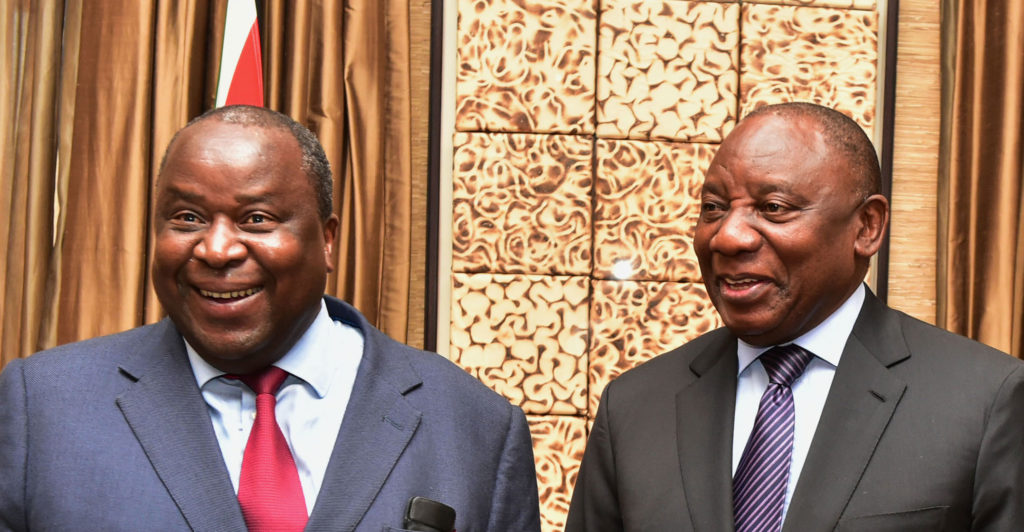
President Cyril Ramaphosa said government will soon give the embattled state power utility “a significant portion” of the R230-billion it needs over the next decade to remain solvent.

Huawei has claimed many of its newest devices will be able to receive the next version of the Android operating system, despite a US trade ban restricting access to products.

Domestic airline Kulula.com said on Thursday that passengers will no longer have to turn off their phones at any stage during a flight, including during take-off and landing.
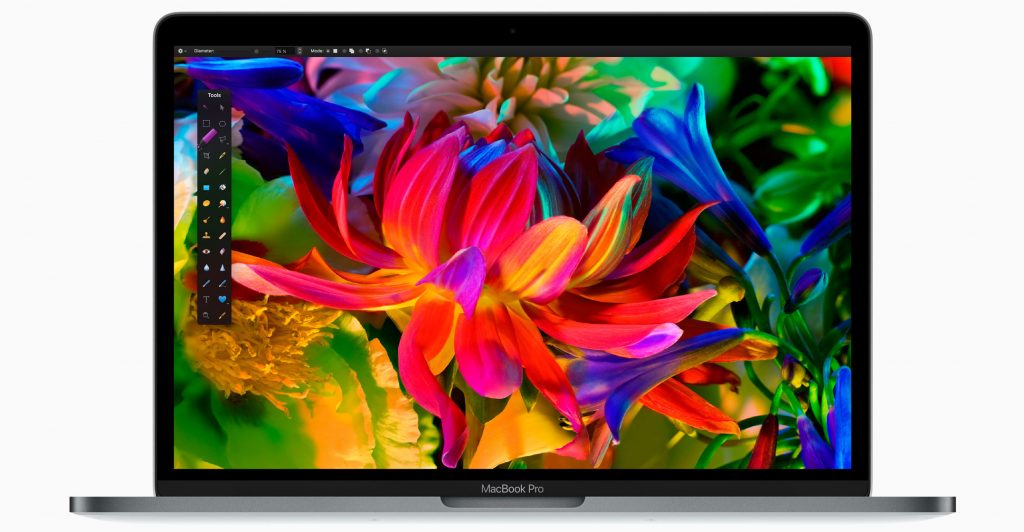
Apple on Thursday recalled some MacBook Pro laptops sold between September 2015 and February 2017 due to a “battery that may overheat and pose a safety risk”.
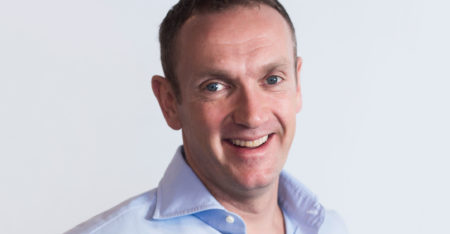
Naspers has made the first investment through its new Naspers Foundry start-up fund, buying a stake in Internet-based domestic cleaning service SweepSouth for R30-million.