

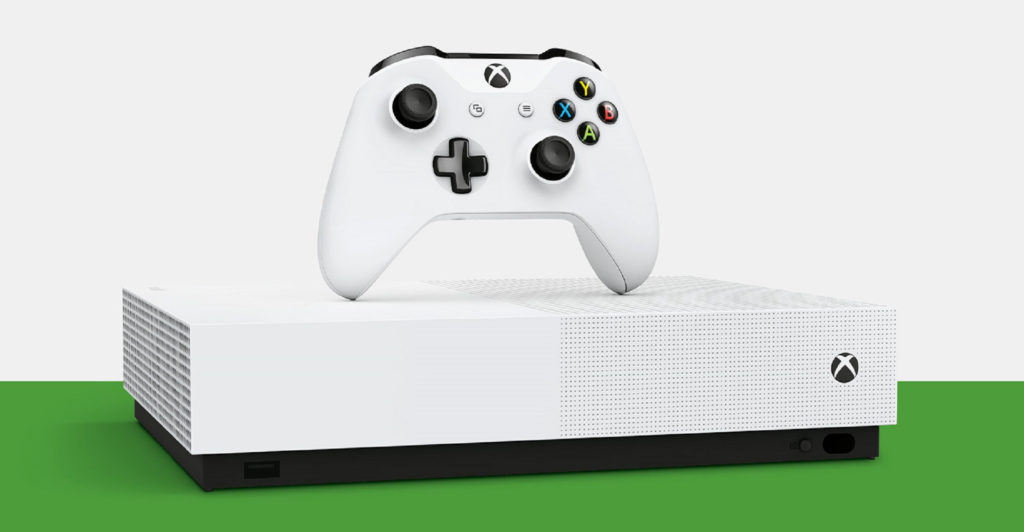
Microsoft has unveiled its first disc-free Xbox which will allow gamers to download, play and store games entirely digitally.
Microsoft has unveiled its first disc-free Xbox which will allow gamers to download, play and store games entirely digitally.

EOH Holdings’ shares continued their strong rally into Tuesday as CEO Stephen van Coller told investors that a new base had been established for the technology services group’s future growth.

The decision by Standard Bank to close 91 branches and cut 1 200 jobs is not at all surprising – the only surprises were that the bank announced it publicly and that it did so before elections in May.
Absa Group has successfully migrated its banking platform, used by its subsidiaries, from the UK, where it was run by Barclays, to South Africa.
Apple and Qualcomm agreed to end a two-year legal battle over billions of dollars of technology licensing fees that had threatened to reshape the chip maker’s business.
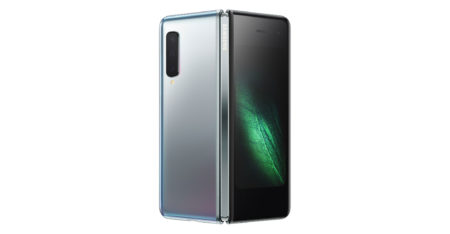
Samsung’s new Galaxy Fold smartphone will be the first of many devices with flexible screens in the coming years, a company director has said.
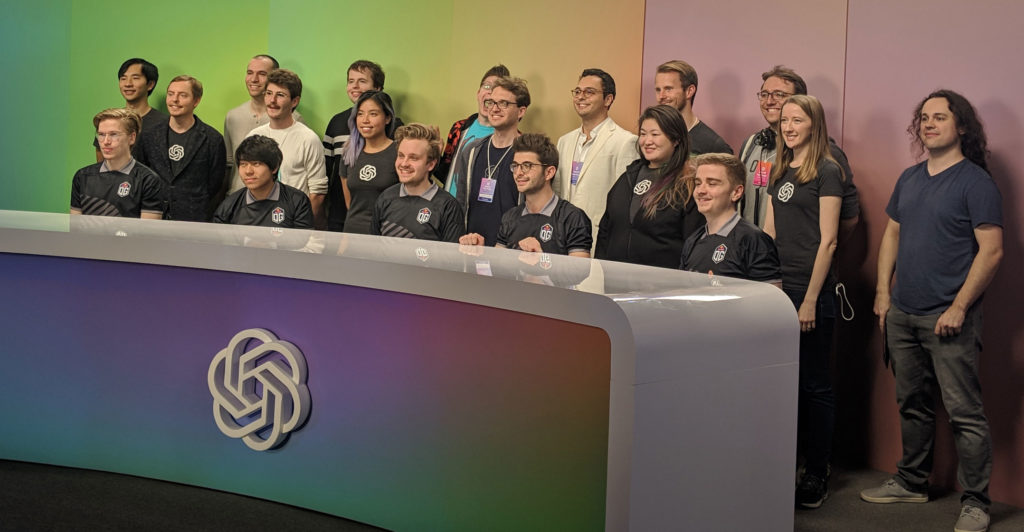
Artificial intelligence software has beaten a human team of world champion professional e-sports players for the first time.

A new space telescope has discovered its first Earth-sized planet in a star system beyond the sun.
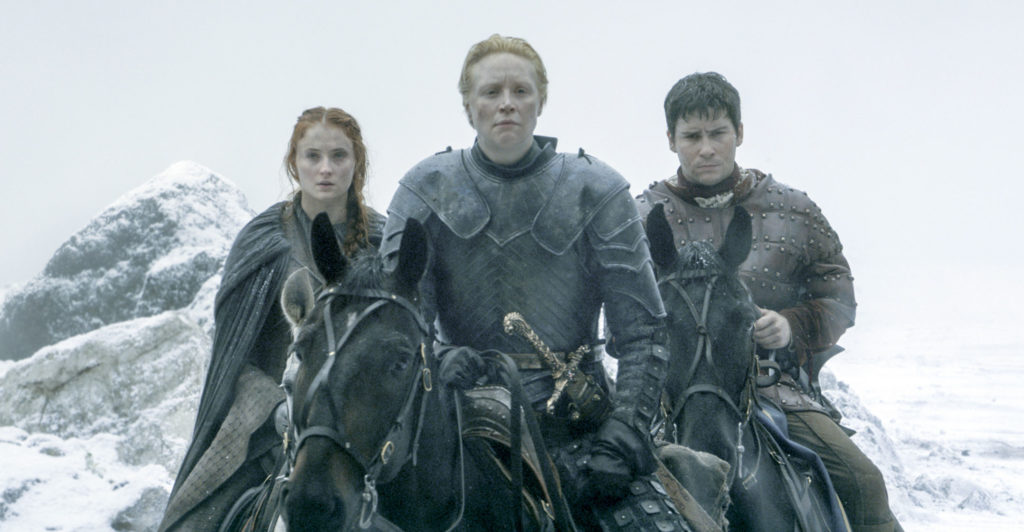
The premiere of the final season of Game of Thrones drew 8.1% more viewers than last season’s debut, an encouraging sign as HBO prepares for the next chapter of the streaming era.
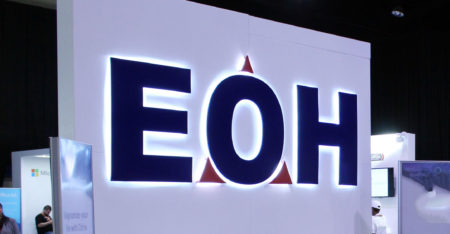
EOH shares soared nearly 25% on Monday, ahead of interim results on Tuesday, as investors began taking the view that the worst may be over for the battered JSE-listed technology services group.