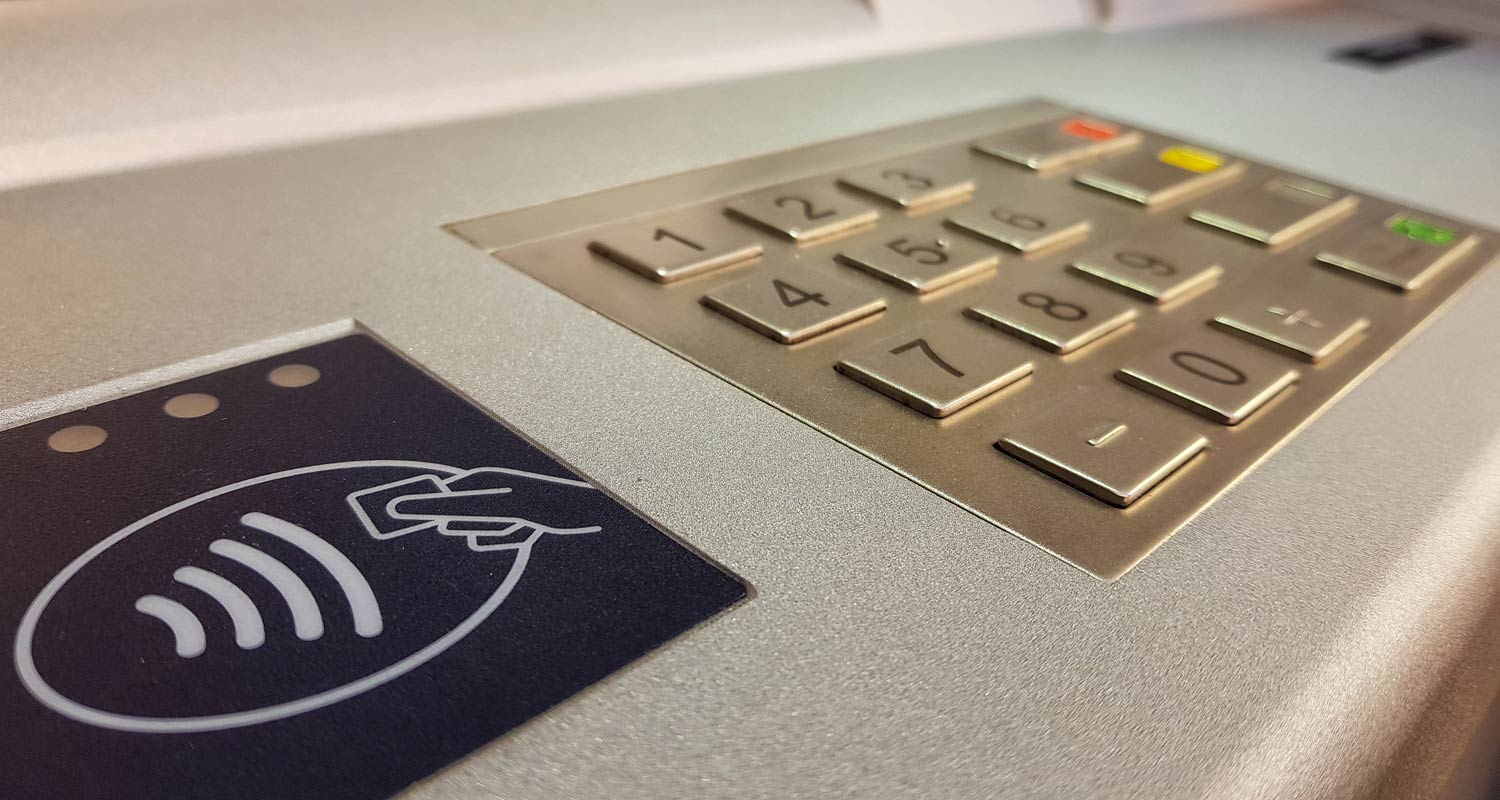
The Reserve Bank will start piloting white-labelled ATMs in January, the first step in a plan to turn all of South Africa’s more than 30 000 machines into a shared, unbranded network where transactions below a set threshold are free.
To get there, the central bank intends to establish a national cash utility by March 2027 and to start bringing cash centres run by the likes of SBV and Fidelity into the Reserve Bank by the middle of that year, senior officials said at a media briefing on Friday.
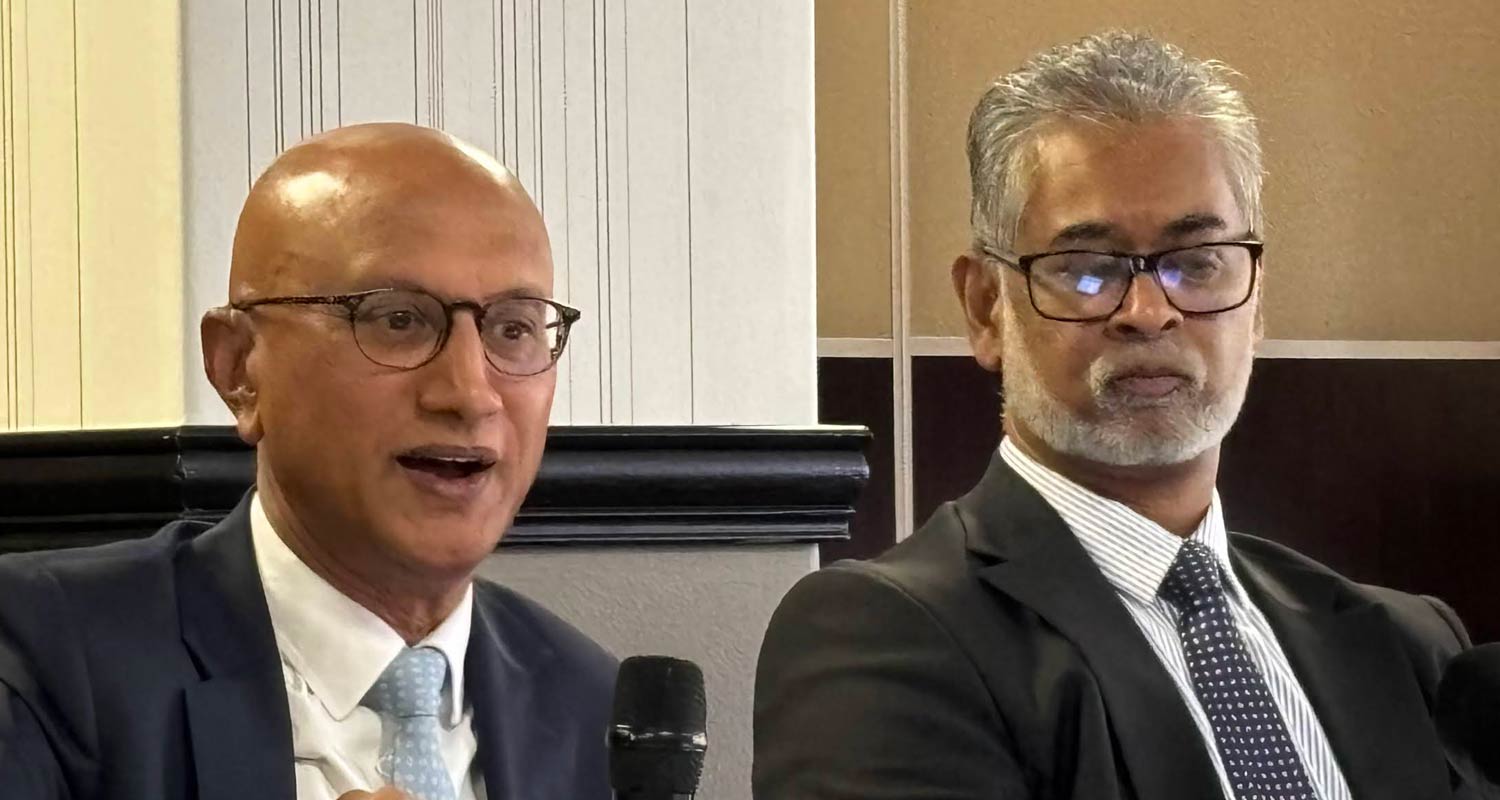
“We are asking banks to white-label all ATMs,” said Pradeep Maharaj, executive director of the Reserve Bank’s Payments Ecosystem Modernisation (PEM) programme. “It will be a robust conversation, in continued collaboration with the banks, but that is our thinking.”
The central bank set out its plans earlier this year in a position paper, Towards a Cash Smart Society. The banks have since come back with alternative models, Maharaj said, and the Reserve Bank has undertaken to return to them in November, with a view to rolling out next year. “We will arrive at a final solution that works for the country.
“Our requirement is that all ATMs should allow deposits, withdrawals and balance enquiries and, below a certain amount, transactions must be free,” he said.
That would be a big change. About 9 200 of the country’s roughly 30 600 ATMs are run by independent deployers that do not accept cash deposits, according to the Reserve Bank’s cost of cash study, which used 2024 data. Maharaj also took aim at what he called the “disloyalty fee”, charged when a customer’s own bank’s ATM is out of order.
The timeline
The timeline set out at the briefing:
- November 2026: The Reserve Bank responds to the banks’ alternative ATM models, and the standardised QR+ payment code is due
- January 2027: The white-label ATM pilot begins
- March 2027: The national cash utility is established
- Mid-2027: Cash centres start moving into the Reserve Bank
- End of 2027: The first batch of white-label ATMs is deployed, in a phased roll-out.
Maharaj presented the overhaul as a fix for unequal access rather than a war on cash. There are more ATMs in Sandton City than in neighbouring Alexandra township.
“Cash is a public good and core to inclusivity,” he said. The Reserve Bank is not trying to build a cashless society, he added: “That does not exist and will not exist.” Countries that had tried had failed. Cash still accounts for 56% of consumer transactions by volume, according to the cost of cash study.
Arif Ismail, head of the central bank’s national payment system department, said there is about R180-billion in cash in the system, and that it costs about R90-billion/year to manage. The cost of cash study puts the annual economic cost at R88.5-billion, or about 1.2% of GDP, and finds that the poorest pay the most: consumers earning up to R1 250/month spend about 5% of their income on cash-related costs, against 1% for those earning R20 000 or more.
The economics are turning against the current model. As digital payments grow, the vaults, vehicles and ATMs that move cash cost the same to run but are spread over fewer transactions, the Reserve Bank argues. Branches and ATMs in less profitable rural and low-income areas close first, leaving “cash deserts” where the people most reliant on cash travel further and pay more for it.
Maharaj said the cost of cash would have to fall by at least 30% just for the system to stand still. If ATMs stay as they are, they will only get more expensive, he argued, whereas under the Reserve Bank’s model the unit cost of cash comes down.
The utility would pool cash centres into a single shared platform with one cash management system, so that the same notes are moved, counted and checked fewer times, and would place shared, unbranded ATMs where access is needed. Today each bank and cash-in-transit company runs its own cash centres, vehicles and routes.
There is a resilience argument, too. Wholesale cash handling and transportation is “dominated by a small number of providers”, the Reserve Bank’s position paper notes, and “the departure or insolvency of a major cash logistics provider could therefore severely disrupt nationwide cash distribution”.
Unlike PayInc, the former BankservAfrica in which the Reserve Bank took a 50% stake last November, with the banks holding the rest, the national cash utility will be wholly owned by the central bank, Maharaj said. A Reserve Bank presentation on its cash strategy, delivered in Johannesburg in May, suggested that industry participants could gain “governance participation and ownership interests” in the utility, so the final structure may yet shift.
The same playbook for digital
The cash plan mirrors the Reserve Bank’s approach to digital payments, where it wants PayInc to become a national payments utility with equal access for all. Until now, Maharaj said, PayInc acted mostly for its shareholders rather than in the national interest.
With PayShap, he said, the banks built a world-class system, but then gave themselves the power to set the rules, implemented it differently and imposed clashing limits. “It is not a uniform experience, that is the problem.” Transactions below a certain level should be free, he said, and the standardised QR+ code should let even a car guard accept digital payments without fees.
PayShap handles about 60 million transactions a month, Ismail said, and the target is 500 million a month by 2029. He blamed the shortfall on four Ps: parity, pricing, promotion and perimeter, the last referring to where PayShap can be used.

The briefing also confirmed that the National Payment System Bill, released for comment in September, will provide a new authorisation framework that lets non-banks perform, initially, seven payment activities on their own, from issuing e-money and acquiring merchants to payment initiation, starting in the middle of next year.
Maharaj insisted the banks are not the target. “Banks are doing a great job, and will continue to do so,” he said. “Our idea is simply to open access and to let entrepreneurs be able to serve sections of the economy that have been underserved by traditional banking.” – © 2026 NewsCentral Media