Close Menu
TechCentralTechCentral

    Subscribe to the newsletter

    Get the best South African technology news and analysis delivered to your e-mail inbox every morning.

    Facebook X (Twitter) YouTube LinkedIn
    WhatsApp Facebook X (Twitter) LinkedIn YouTube
    TechCentralTechCentral
    • News
      Shoprite closes its bet on the spaza till - Pieter Engelbrecht

      Shoprite closes its bet on the spaza till

      1 September 2026
      'Has the car had a haircut?'

      ‘Has the car had a haircut?’

      1 September 2026
      The Apple-OpenAI feud just got a lot uglier - Sam Altman

      The Apple, OpenAI feud just got a lot uglier

      1 September 2026
      Eskom's profit doubles even as it sells less electricity - Mteto Nyati

      Eskom’s profit doubles even as it sells less electricity

      31 August 2026
      The R45-billion missing from Eskom's income statement

      The R45-billion missing from Eskom’s income statement

      31 August 2026
    • World
      AI-generated music banned from Australian charts

      AI-generated music banned from Australian charts

      26 August 2026
      Traders brace for a R4.5-trillion swing in Nvidia's value

      Traders brace for a R4.5-trillion swing in Nvidia’s value

      25 August 2026
      Russia building its own Starlink - and faster than expected - Vadym Skibitskyi

      Russia building its own Starlink – and faster than expected

      11 August 2026
      Meta AI will now tell parents if their teen is in crisis

      Meta AI will now tell parents if their teen is in crisis

      17 July 2026
      IBM shares crash 25% as AI upends software spending - Arvind Krishna

      IBM shares crash 25% as AI upends software spending

      15 July 2026
    • In-depth
      Google DeepMind CEO Demis Hassabis. Image: John Sears

      The plan to stop AI from breaking the world

      16 July 2026
      The internet has a Strait of Hormuz problem

      The internet has a Strait of Hormuz problem

      15 July 2026
      AI boom sparks rally, frenzy and fear

      AI boom sparks rally, frenzy and fear

      11 June 2026
      Every plug-in hybrid on sale in South Africa, ranked by price - Lamborghini Temerario

      Every plug-in hybrid on sale in South Africa, ranked by price

      7 June 2026
      What Wi-Fi 8 will mean for wireless networks

      What Wi-Fi 8 will mean for wireless networks

      1 June 2026
    • TCS
      Watts & Wheels S1E8: 'Tesla lands in Africa, just not here'

      Watts & Wheels S1E8: ‘Tesla lands in Africa, just not here’

      24 August 2026
      Meet the CIO | Discovery's Derek Wilcocks on AI, guardrails and growth

      Meet the CIO | Derek Wilcocks on how AI personalised Vitality

      13 August 2026
      TCS | Money just became native to the internet - Steven Boykey Sidley

      TCS | Money just became native to the internet – Steven Boykey Sidley

      12 August 2026
      TCS+ | Specops' Darren James on continuous trust in an AI world

      TCS+ | Specops’ Darren James on continuous trust in an AI world

      7 August 2026
      TCS+ | How AI is turning hardware into a subscription service - Shane van der Merwe Merchant West

      TCS+ | How AI is turning hardware into a subscription service

      6 August 2026
    • Opinion
      The fragile joint in the Capitec machine - Pambos Soteriades

      The R197-billion market the banks can’t reach

      25 August 2026
      South African tech's compounding debt problem - Jannie van Zyl

      Management consulting as we know it is over

      21 August 2026
      South African tech's compounding debt problem - Jannie van Zyl

      The most dangerous customer is the quiet one

      10 August 2026
      South African tech's compounding debt problem - Jannie van Zyl

      South African tech’s compounding debt problem

      29 July 2026
      The fragile joint in the Capitec machine - Pambos Soteriades

      Best network, worst vibes: the puzzle of SA telecoms

      20 July 2026
    • Company Hubs
      • 1Stream
      • Africa Data Centres
      • AfriGIS
      • Altron Digital Business
      • Altron Document Solutions
      • Altron Group
      • Arctic Wolf
      • Ascent Technology
      • AvertITD
      • BBD
      • Braintree
      • CallMiner
      • CambriLearn
      • CM.com
      • Contactable
      • CYBER1 Solutions
      • Digicloud Africa
      • Digimune
      • Domains.co.za
      • ESET
      • Euphoria Telecom
      • HOSTAFRICA
      • Incredible Business
      • iONLINE
      • IQbusiness
      • Iris Network Systems
      • Kaspersky
      • LSD Open
      • Mitel
      • NEC XON
      • Netstar
      • Network Platforms
      • Next DLP
      • Ovations
      • Paracon
      • Paratus
      • Q-KON
      • SevenC
      • SkyWire
      • Solid8 Technologies
      • Telit Cinterion
      • Telviva
      • Tenable
      • Vertiv
      • Videri Digital
      • Vodacom Business
      • Vox
      • Wipro
      • Workday
      • XLink
    • Sections
      • AI and machine learning
      • Banking
      • Broadcasting and Media
      • Cloud services
      • Contact centres and CX
      • Cryptocurrencies
      • Education and skills
      • Electronics and hardware
      • Energy and sustainability
      • Enterprise software
      • Financial services
      • HealthTech
      • Information security
      • Internet and connectivity
      • Internet of Things
      • Investment
      • IT services
      • Lifestyle
      • Policy and regulation
      • Public sector
      • Retail and e-commerce
      • Satellite communications
      • Science
      • SMEs and start-ups
      • Social media
      • Talent and leadership
      • Telecoms
      • Watts & Wheels
    • Events
    • Advertise
    TechCentralTechCentral
    Home » Sections » Information security » How much South African firms pay ransomware gangs

    How much South African firms pay ransomware gangs

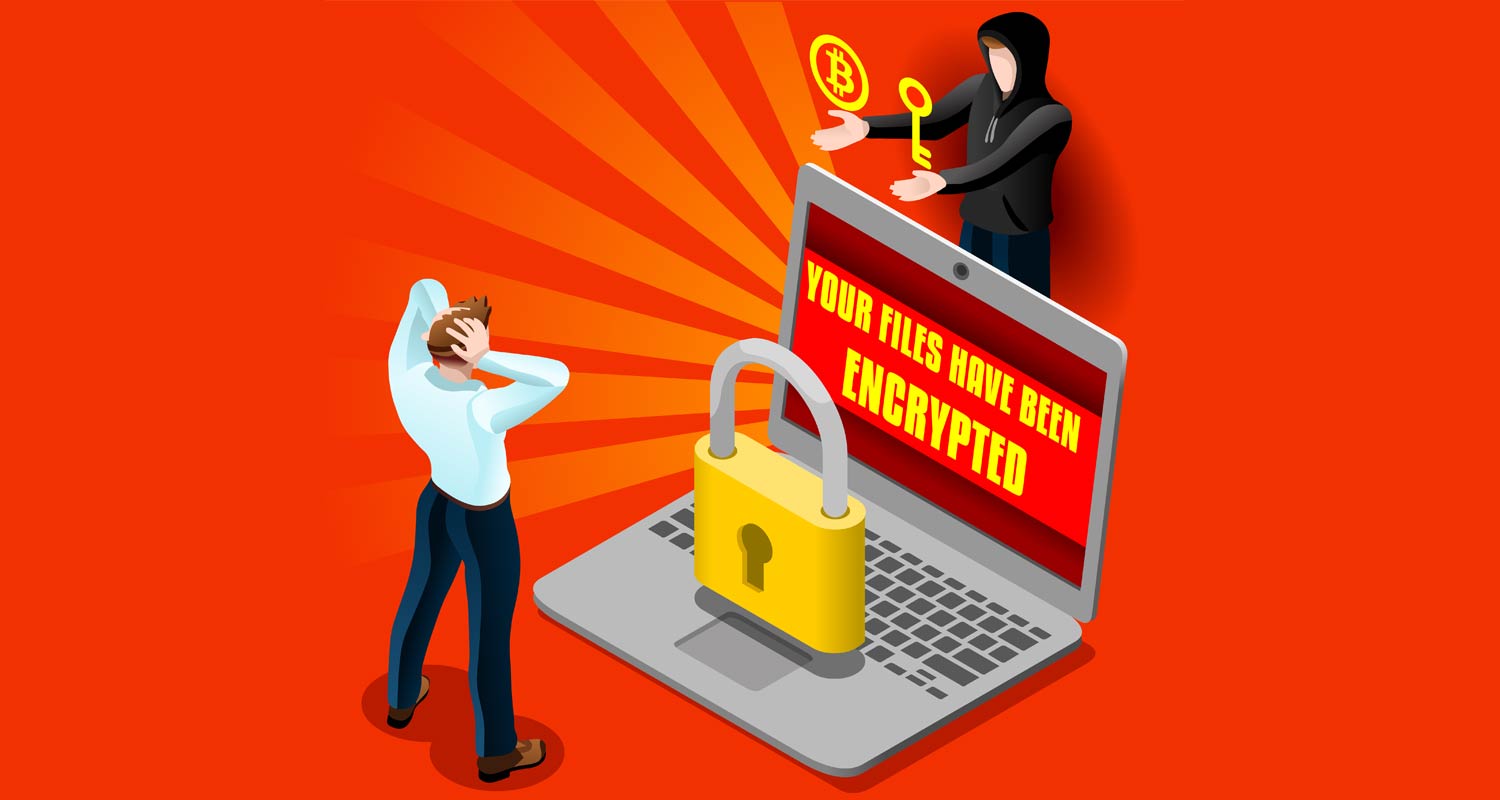
    The average ransomware payment by South African companies is in the order of R18-million, new research has found.
    By Nkosinathi Ndlovu30 April 2024
    Twitter LinkedIn Facebook WhatsApp Email Telegram Copy Link
    News Alerts
    WhatsApp

    The average ransomware payment by South African companies is in the order of $950 000 (R18-million), new research by information security firm Sophos has found.

    Cybercriminals are becoming increasingly sophisticated in how they execute ransomware attacks as they try to maximise the amount of money they can extort from their victims.

    According to John Shier, field chief technology officer at Sophos, a UK-headquartered software and hardware security company, cybercriminals are segmented in their approach to the market, using data to profile their marks and determine who to target and what ransom amount to demand from them.

    The average ransom demand in South Africa is $975 675, lower than the global average of $2-million

    Shier said the level of this profiling is apparent when analysing the differences in median and average rates for ransoms demanded (and those paid for) between different countries.

    The Sophos State of Ransomware 2024 report (PDF) shows that the average ransom demand in South Africa is $975 675, lower than the global average of $2-million. Similarly, the average ransomware payment in South Africa is $958 110, with the global average at $3.96-million. The median amounted demanded locally, however, is $152 000, showing just how wide ranging the amounts asked for are.

    “The ransomware landscape offers something for every cybercriminal, regardless of skill. While some groups are focused on multimillion-dollar ransoms, there are others that settle for lower sums by making it up in volume,” said Shier. “There are different groups out there that go after different markets.”

    Priced to the market

    “Pricing is something that these criminals have worked on a lot. They are pricing their demands at levels that are sensitive to the local environment and they shift their pricing according to the size of the company and the country of the attack,” said Shier.

    Cybercriminals are enjoying unprecedented successes in their attacks. Sophos data shows that the global average for ransom payments has increased fivefold, from $400 000 in 2022 to $2-million in 2023.

    Among South African companies surveyed, 69% reported having experienced a ransomware attack, with 43% eventually paying the ransom to have their data decrypted.

    Read: CIPC hack: customers urged to change passwords

    But the costs of recovering from a ransomware attack stretch beyond payment of the ransom itself. There is an opportunity cost associated with downtime, losses to brand value and reputation, and additional IT spend to ensure that a secondary attack does not occur.

    The Sophos report shows that South African companies spend an additional $1.04-million to recover from a ransomware attack, over and above the ransom paid. The cost was about $750 000 in 2023, showing that ransomware attacks are getting more expensive.

    Sophos’s John Shier

    The time it takes to recover from an attack is also increasing. According to the report, South African organisations are getting slower at recovering from attacks, with 41% fully recovered in up to a week, down from 53% in 2023. Some 26% took between one and six months, an increase from 19% last year. Longer downtimes imply additional costs, too.

    Many organisations turn to cyber insurance to mitigate the financial risk that comes with a ransomware attack, but it is not a foolproof solution. According to Sophos, cyber insurance providers contributed to the ransom payment in 87% of incidents locally, but they never paid over the full amount. The cost of cyber insurance, on the other hand, is rising sharply, with many organisations questioning if they can even afford it.

    “The ransomware insurance industry is relatively young, unlike vehicle or home insurance where actuaries have many decades of data to go on. It is going to take time for the pricing to be accurate because there are too many unknowns for insurance companies to give a proper premium,” said Shier.

    MetricSouth AfricaInternational
    % of organisations hit by ransomwhare attack 6959
    % of company computers affected in attack4649
    % of attacks leading to data being encrypted7670
    % of attacks where backups were also targeted9794
    % of organisations with encrypted data who paid the ransom4356
    % of ransoms funded from multiple sources8782

    For South Africans, cybersecurity is a growing concern for individuals, businesses and the public sector, which has seen a number of its institutions breached in the first quarter of 2024. The latest on the list of hacked public institutions is the International Trade Administration Commission, which waited three months to alert stakeholders of the breach due to a lack of information surrounding the matter.

    Read: Itac withheld news of security breach to avoid ‘panic’

    “Ransomware remains a major threat to South African organisations of all sizes. While the overall attack rate has dropped over the last year, the impact of an attack on those that fall victim has increased. As adversaries continue to iterate and evolve their attacks, it’s essential that defenders and their cyber defences keep pace,” said Shier.  – © 2024 NewsCentral Media

    Read next: Microsoft under fire over ‘shambolic’ security practices

    Follow TechCentral on Google News Add TechCentral as your preferred source on Google


    John Shier Sophos
    WhatsApp YouTube
    Share. Facebook Twitter LinkedIn WhatsApp Telegram Email Copy Link
    Previous ArticleHow much MTN bosses personally own of the company
    Next Article Chinese electric cars are piling up at Europe’s ports

    Related Posts

    Sophos firewalls: your business's first line of cyber defence - Vox

    Sophos firewalls: your business’s first line of cyber defence

    20 July 2026
    Proactive MDR: safeguard your business with Vox and Sophos

    Proactive MDR: safeguard your business with Vox and Sophos

    23 October 2025
    Sophos, Phishield join forces to tackle rising ransomware costs

    Sophos, Phishield join forces to tackle rising ransomware costs

    22 August 2025
    Company News
    Digicloud recruits African partners for Google SecOps push - Digicloud Africa

    Digicloud recruits African partners for Google SecOps push

    1 September 2026
    NEWORDER brings Lasso's AI agent controls to South Africa - Bennie Barnard

    NEWORDER brings Lasso’s AI agent controls to South Africa

    1 September 2026
    LSD Open earns Red Hat automation specialisation

    LSD Open earns Red Hat automation specialisation

    31 August 2026
    Opinion
    The fragile joint in the Capitec machine - Pambos Soteriades

    The R197-billion market the banks can’t reach

    25 August 2026
    South African tech's compounding debt problem - Jannie van Zyl

    Management consulting as we know it is over

    21 August 2026
    South African tech's compounding debt problem - Jannie van Zyl

    The most dangerous customer is the quiet one

    10 August 2026

    Subscribe to Updates

    Get the best South African technology news and analysis delivered to your e-mail inbox every morning.

    Latest Posts
    Digicloud recruits African partners for Google SecOps push - Digicloud Africa

    Digicloud recruits African partners for Google SecOps push

    1 September 2026
    NEWORDER brings Lasso's AI agent controls to South Africa - Bennie Barnard

    NEWORDER brings Lasso’s AI agent controls to South Africa

    1 September 2026
    Shoprite closes its bet on the spaza till - Pieter Engelbrecht

    Shoprite closes its bet on the spaza till

    1 September 2026
    'Has the car had a haircut?'

    ‘Has the car had a haircut?’

    1 September 2026
    © 2009 - 2026 NewsCentral Media
    Built and maintained by Chronon
    • Cookie policy (ZA)
    • TechCentral – privacy and Popia

    Type above and press Enter to search. Press Esc to cancel.

    Manage consent

    TechCentral uses cookies to enhance its offerings. Consenting to these technologies allows us to serve you better. Not consenting or withdrawing consent may adversely affect certain features and functions of the website.

    Functional Always active
    The technical storage or access is strictly necessary for the legitimate purpose of enabling the use of a specific service explicitly requested by the subscriber or user, or for the sole purpose of carrying out the transmission of a communication over an electronic communications network.
    Preferences
    The technical storage or access is necessary for the legitimate purpose of storing preferences that are not requested by the subscriber or user.
    Statistics
    The technical storage or access that is used exclusively for statistical purposes. The technical storage or access that is used exclusively for anonymous statistical purposes. Without a subpoena, voluntary compliance on the part of your Internet Service Provider, or additional records from a third party, information stored or retrieved for this purpose alone cannot usually be used to identify you.
    Marketing
    The technical storage or access is required to create user profiles to send advertising, or to track the user on a website or across several websites for similar marketing purposes.
    • Manage options
    • Manage services
    • Manage {vendor_count} vendors
    • Read more about these purposes
    View preferences
    • {title}
    • {title}
    • {title}