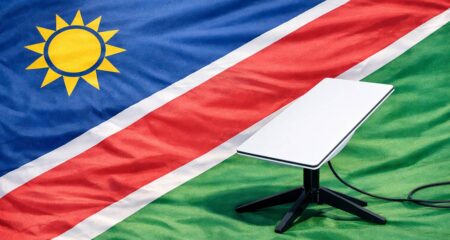
Starlink has intensified its campaign to secure a South African operating licence, publishing an advocacy page on its website that directly addresses consumers and attempts to counter criticism of its bid to enter the local market.
The page, titled Starlink’s efforts in South Africa, features a point-by-point “myths and facts” section that takes aim at concerns raised by critics about black economic empowerment, national security, monopoly risk and the company’s commitment to the local market.
It marks a significant escalation in SpaceX’s public lobbying efforts in South Africa. In January, the company e-mailed its South African database urging potential customers to send pre-written messages to Icasa, the communications regulator, in support of regulatory changes. The website campaign creates a permanent, publicly accessible platform for its arguments.
At the heart of the latest round of advocacy is Starlink’s R500-million pledge to connect 5 000 rural schools with free, high-speed internet – a commitment the company says would benefit more than 2.4 million learners annually.
But the commitment is conditional on licensing – and this remains stuck in a regulatory and political quagmire.
The core issue is that Icasa’s licensing rules require 30% equity ownership by historically disadvantaged South Africans – a requirement SpaceX has said it cannot meet because its global policy prohibits local equity dilution. The company is pushing for equity equivalent investment programmes (EEIPs), an alternative compliance mechanism recognised in the B-BBEE ICT sector code that allows multinationals to meet empowerment obligations through investment rather than direct ownership.
Backlash
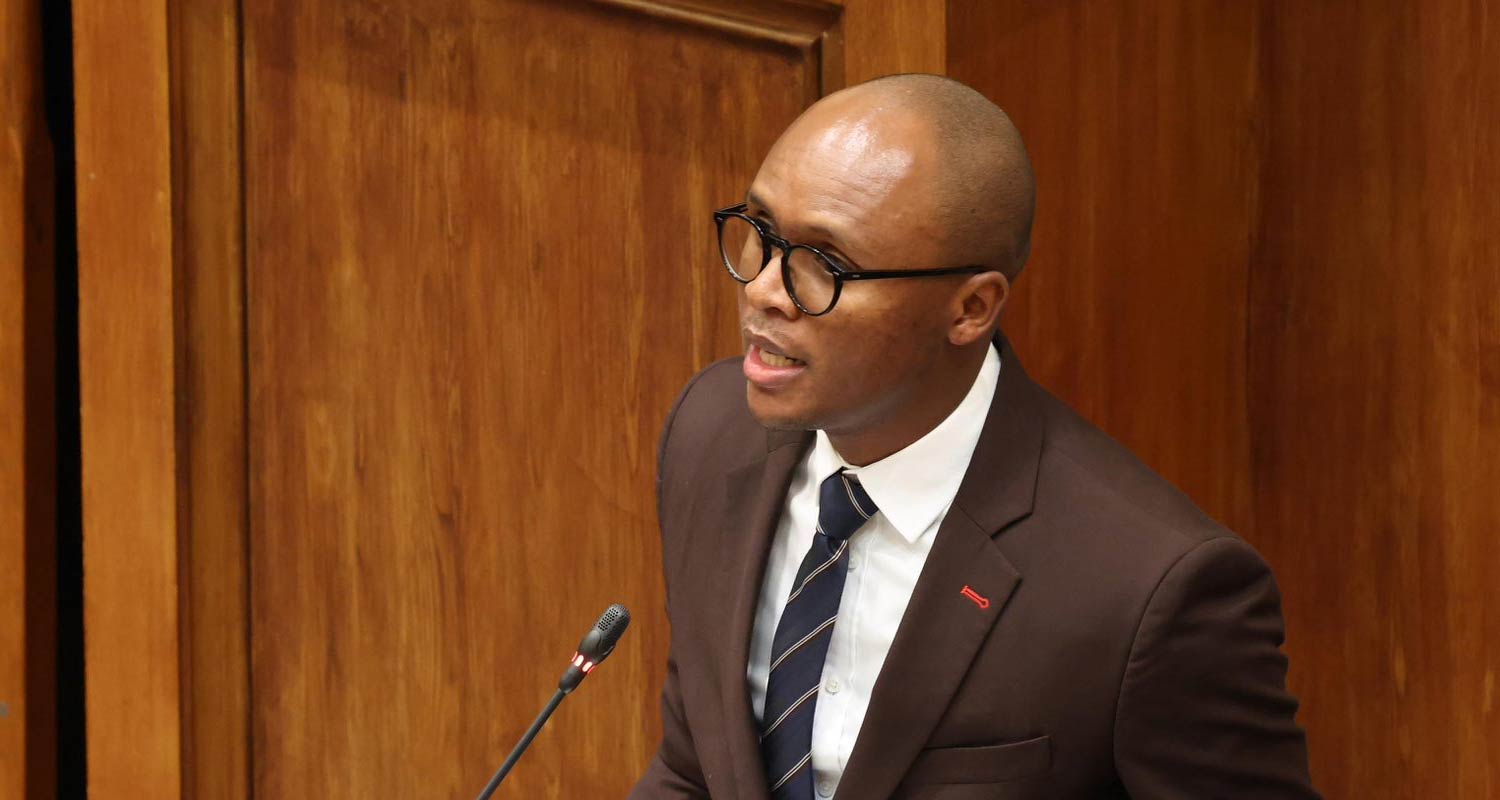
Communications minister Solly Malatsi published a draft policy direction in May 2025 proposing that Icasa align its regulations with the sector code to allow for EEIPs. In December 2025, he issued a formal policy directive asking Icasa to “urgently consider” the change, saying 90% of public submissions supported it.
But the directive triggered a backlash. The parliamentary portfolio committee on communications, chaired by the ANC’s Khusela Diko, called for its withdrawal, accusing Malatsi of overstepping his authority. Malatsi, a DA member in the government of national unity, has denied that the directive is designed to benefit Starlink specifically.
Read: Starlink hype vs reality in South Africa
Icasa acknowledged the directive but said it would follow its own regulatory processes – a timeline that regulatory expert Dominic Cull of Ellipsis has warned could take two years or more.
Starlink’s website page directly addresses several criticisms that have dogged its South African ambitions. It insists it is not seeking special treatment or trying to bypass BEE, that it has established a local company (Starlink South Africa), and that it will comply with all local privacy, security and lawful interception laws.
It also takes a swipe at government’s SA Connect broadband programme, noting that “many targets remain unmet” and that “Starlink could immediately help meet these goals if licensed”.
The page also addresses the charge that Starlink may shut off service for political reasons by stating it has “never turned off service in any market except when legally required” – though critics have pointed to SpaceX’s actions in Ukraine, Sudan and Uganda as evidence of politically influenced service decisions.
In a recent column on TechCentral by Wireless Access Providers’ Association vice chairman Jens Langenhorst, questioned the scale of Starlink’s addressable market in South Africa. Based on pricing in neighbouring Eswatini and Lesotho, a Starlink subscription is likely to cost between R900 and R950/month, with equipment costs of about R3 800 – putting it at the higher end of the fibre broadband market.
Langenhorst argued that the real opportunity for Starlink lies not in competing with fibre in urban areas, but in connecting remote locations – game farms, forestry stations and rural schools – where traditional infrastructure is economically unviable.
Starlink’s advocacy page highlights the service’s growing presence across Africa. The company says it is active in 24 African countries, pointing to deployments in Zambia (more than 600 health facilities connected), Mozambique (over 300 schools) and Botswana (ground station infrastructure).
All of South Africa’s neighbours in Southern Africa have licensed Starlink, with the exception of Namibia. South Africa remains the continent’s most prominent holdout – a fact that SpaceX has repeatedly sought to leverage in its public campaign.
Read: Starlink hype vs reality in South Africa
It is clear, if it wasn’t already, that Starlink and parent SpaceX are agitating for more rapid reforms to South Africa’s licensing rules. – (c) 2026 NewsCentral Media
Get breaking news from TechCentral on WhatsApp. Sign up here.