
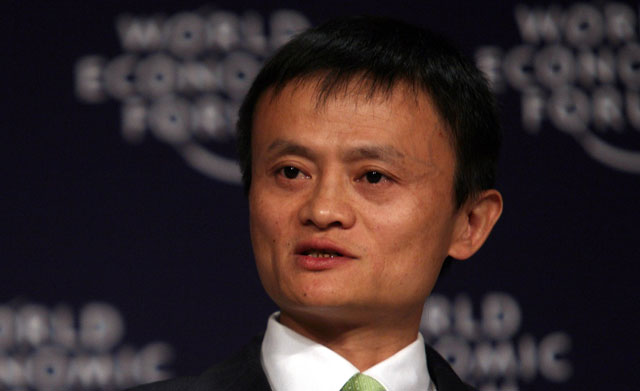
Alibaba Group chairman Jack Ma said society should prepare for decades of pain as the Internet disrupts the economy. The world must change education systems and establish how to work
Alibaba Group chairman Jack Ma said society should prepare for decades of pain as the Internet disrupts the economy. The world must change education systems and establish how to work

Tencent Holdings’ messaging services were by far the most popular Chinese mobile apps in 2016, leading steady growth in the world’s largest Internet and smartphone market, the government’s online industry overseers said on Sunday. WeChat remained the most
Yahoo, or rather what will be left of it once it has sold its operational Internet assets to Verizon Communications in a $4,8bn deal, will change its name to the rather obscure Altaba, the US company said in a regulatory filing
US President-elect Donald Trump made the vilification of China a key plank of his stormy campaign. Yet its technology giants are already figuring out how they can profit off his victorious White House bid

Kalido, a South African-developed smartphone app that helps people meet talented individuals around them and which its backers believe has the potential to be the next big global social network, has revealed that it has raised

Tencent Holdings, in which South African media and technology group Naspers holds a 34%, posted a second quarter profit that beat analysts’ expectations as the company lined up more mobile games and media

Technology companies are a lot like contemporary art. Their valuations reflect narratives more than anything else, and it’s just as important to devise the right framework to describe a phenomenon as it is to build a beautiful product. Two New
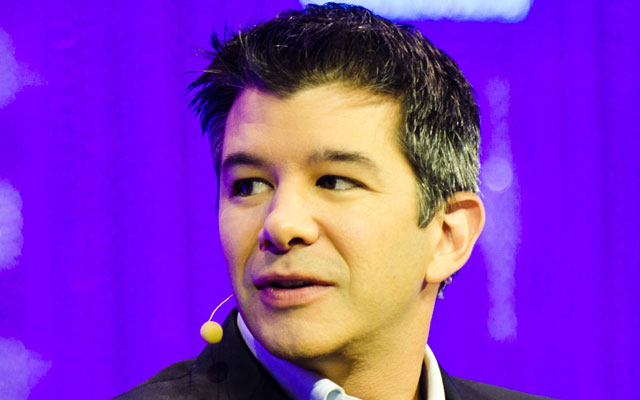
Uber Technologies will sell its China business to Didi Chuxing, the dominant ride-hailing service in the country, according to people familiar with the matter, ending a costly battle between the two companies

On Monday, Yahoo’s years-long fight to survive as a standalone company will draw to a close. Verizon Communications will announce plans to buy Yahoo’s core assets for a bit more than US$4,8bn before the market opens, said

SoftBank Group has agreed to buy ARM Holdings for £24,3bn (US$32bn; R460bn), securing a slice of virtually every mobile computing gadget on the planet and future connected devices in the home. The Japanese company is offering £17/share in cash