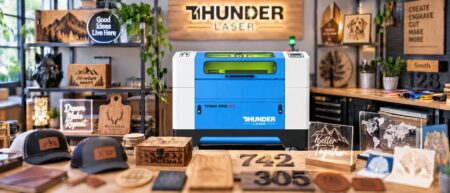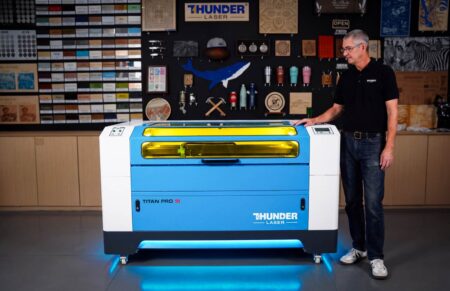
For many South Africans, starting a business can feel out of reach. Manufacturing in particular brings to mind large factories, expensive machinery and a sizeable workforce. Advances in laser technology have changed that, opening the door for entrepreneurs to start manufacturing from home, a garage or a small workshop.
Modern laser engraving machines can produce professional-quality goods from relatively small spaces, without industrial premises or significant infrastructure. That lower barrier to entry is why laser technology has become one of the most versatile tools available to people building something of their own, whether the goal is a second income, less reliance on a single salary or a full-time company.
One machine, many products
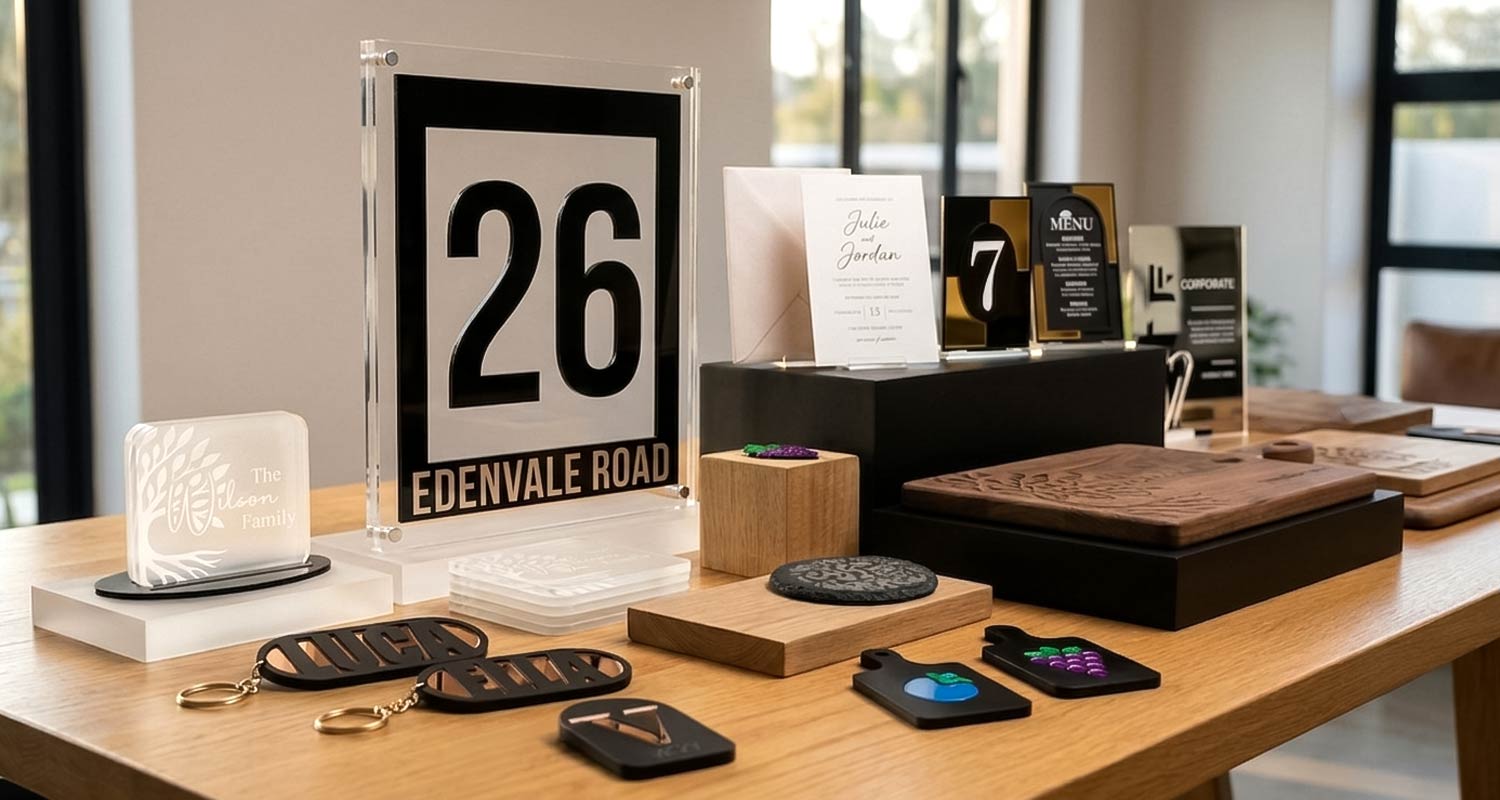
The biggest strength of laser technology is its versatility. Rather than manufacturing only one type of product, a single machine can produce personalised gifts one week and business signage, engraved awards, branded promotional items, home décor, house numbers or educational resources the next.
That flexibility lets entrepreneurs test different markets without buying additional equipment, and adapt their product range as demand shifts through the year. For many, the ability to diversify is what reduces the risk.
Reliability matters too. Modern laser systems need relatively little day-to-day maintenance when operated correctly, which leaves owners free to concentrate on finding customers, improving products and delivering good service rather than servicing equipment.
Running costs are a further reason the technology suits start-ups. The systems need modest floor space and consume comparatively little electricity next to larger industrial machinery, so someone still employed full-time can work weekends and evenings without committing to major overheads.
From second income to full-time operation
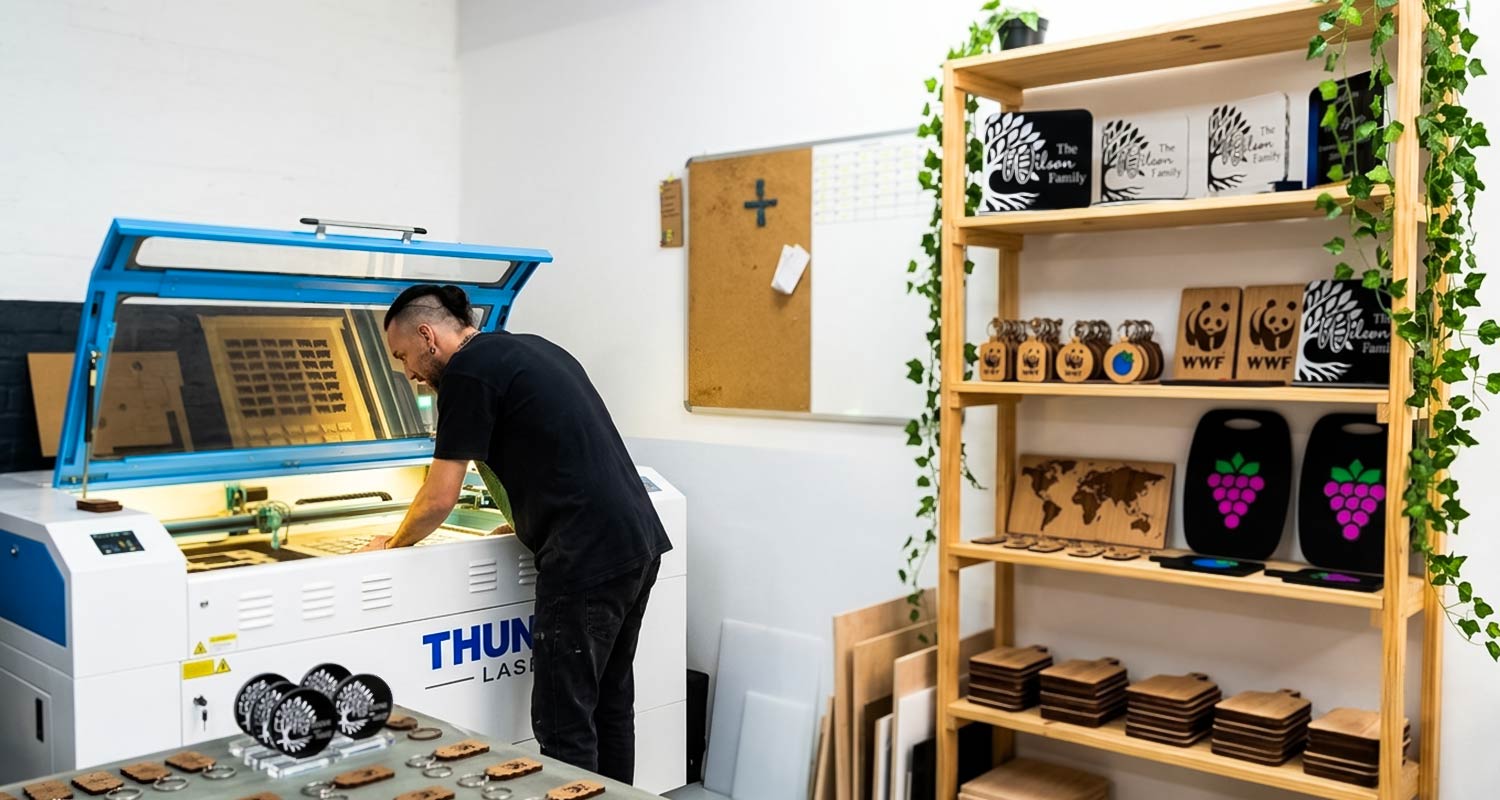
Many businesses begin exactly this way. What starts as a second source of income develops into a full-time operation as orders increase and confidence grows. Some eventually move into dedicated workshops, employ staff and invest in more equipment to lift production capacity.
As they expand, many invest in professional laser cutting machines to increase capacity while holding the precision and quality customers expect.
Choosing a supplier
Buying the equipment is only part of the job. First-time owners should look for comprehensive training, reliable technical support, readily available spare parts and equipment that can grow with the business. Those factors tend to matter more to long-term success than the lowest purchase price.
Demand is there to be met. Consumers increasingly value locally manufactured, customised products over generic imports, while businesses need branded items that help them stand out. That combination continues to create openings for entrepreneurs willing to invest in the right technology and build products that solve real customer problems.
At MaxLaser, we have seen many customers begin with a single machine and a simple idea, producing goods after work or over weekends before building sustainable businesses of their own. Their experience points to something worth remembering: laser technology is not only about manufacturing products. It is about creating opportunities.
For aspiring entrepreneurs, the journey often begins with a single idea — and the right tools to bring it to life.
About MaxLaser
MaxLaser is a South African supplier of laser engraving machines, laser cutting machines, UV printers, DTF printers, laser marking systems and 3D printers. Since 2018 it has helped businesses in South Africa and neighbouring countries start, grow and expand through manufacturing technology, hands-on training, ongoing technical support and practical business guidance — from entrepreneurs launching a side hustle to established manufacturers increasing production capacity.
- Read more articles by MaxLaser on TechCentral
- This promoted content was paid for by the party concerned