

Nokia is leading a group of companies and universities in a European Union funded wireless project called Hexa-X to help jump-start a new generation of mobile technology that’s already being called 6G.
Nokia is leading a group of companies and universities in a European Union funded wireless project called Hexa-X to help jump-start a new generation of mobile technology that’s already being called 6G.
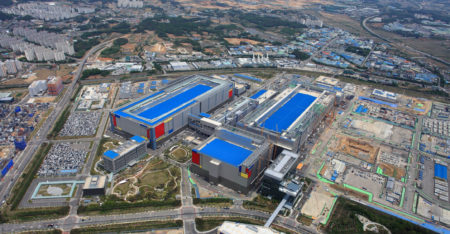
Samsung Electronics is pouring $116-billion into its next-generation chip business that includes fabricating silicon for external clients, betting it can finally close the gap on industry leader TSMC.
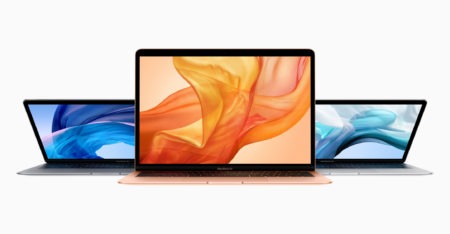
Apple on Tuesday introduced a MacBook Air notebook and other computers with the first Apple-designed microprocessor, called the M1, a move that will tie its Macs and iPhones closer together technologically.
Apple on Tuesday is expected to unveil new Mac computers using its own in-house processor chips, a move that could reignite a race to control the market for desktop and laptop chips.
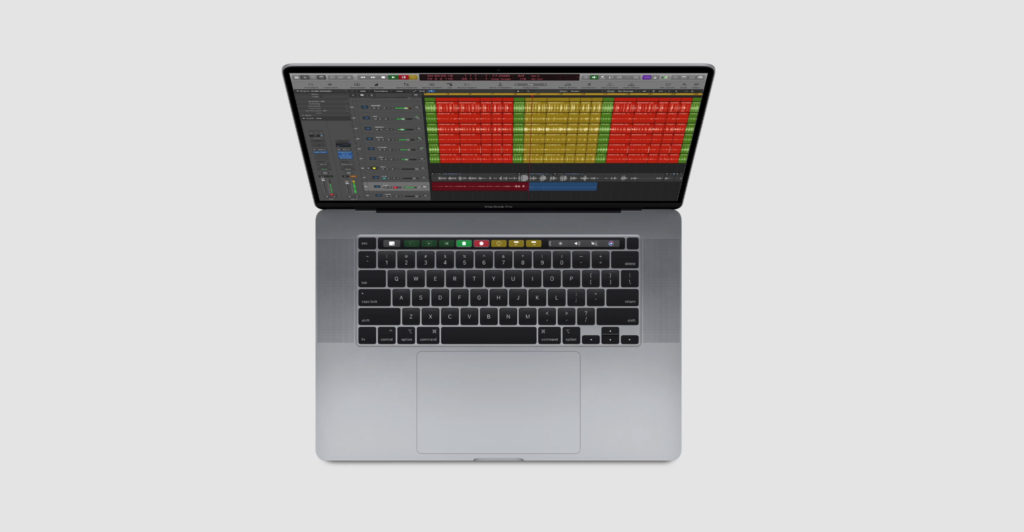
Apple on Monday announced a special event for 10 November but gave no further details aside from a tag line of “one more thing”.
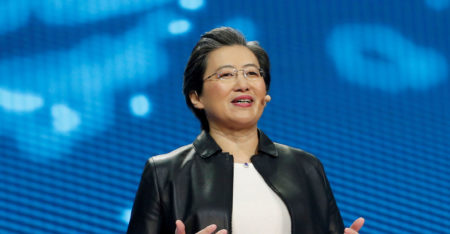
Semiconductor designer AMD said on Tuesday it would buy Xilinx in a US$35-billion all-stock deal, intensifying its battle with Intel in the data centre chip market.
With no short-term catalyst for gains on the horizon, Intel shareholders are now forced to ponder its long-term fundamental prospects, and they frankly remain bleak, even as its rivals prosper.
Intel on Thursday reported that margins tumbled in the latest quarter as consumers bought cheaper laptops and pandemic-stricken businesses and governments clamped down on data centre spending. Its shares tumbled.
Chinese technology companies including Huawei have expressed strong concerns to local regulators about Nvidia’s proposed acquisition of ARM, potentially jeopardising the $40-billion semiconductor deal.
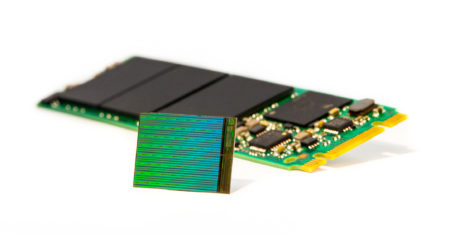
Intel has agreed to sell its NAND memory chip business to SK Hynix for US$9-billion in an all-cash deal that would propel the South Korean chip maker to second in the global rankings.